Preparing for 9/11 trials inside Guantanamo | 60 Minutes Archive
In a Nutshell
The 60 Minutes segment exposes how the Guantanamo Bay military commissions for the 9/11 defendants are compromised by classified evidence of CIA torture, ongoing government surveillance of defense teams, and procedural loopholes that allow coerced statements to be admitted through "clean team" interrogations. Despite Khalid Sheikh Mohammed's admission to masterminding the attacks, the proceedings face fundamental legitimacy challenges because defense attorneys cannot access or challenge evidence of their clients' treatment at CIA black sites, and the CIA has interfered with court proceedings by activating security lights and potentially monitoring attorney-client communications. The core tension is that the U.S. seeks to prosecute war crimes through a system where the government's own classified actions—including 183 waterboardings of KSM—remain shielded from scrutiny, undermining claims of fair trials.
These notes were generated by AI and may contain inaccuracies.
Brigadier General Mark Martins serves as chief prosecutor in the military commission trying five Al-Qaeda defendants charged with plotting the September 11 attacks. The proceedings have been labeled Al-Qaeda's Nuremberg, with the prosecution seeking the death penalty.
Pre-trial proceedings began after Congress passed legislation prohibiting the defendants from entering US soil, requiring all participants to travel to Guantanamo Bay, Cuba. Every six weeks for the past year and a half, approximately 250 people including prosecutors, defense lawyers, bailiffs, and interpreters have been airlifted via government charter at a cost of $90,000 per flight.
General Martins explains the military tribunal structure, noting that the similarities to civilian proceedings outweigh the differences. The accused remains presumed innocent, and the prosecution must prove guilt beyond reasonable doubt.
Martins emphasizes the stakes: the 9/11 defendants must receive a fair and legitimate hearing. He states that justice cannot be accused of being vengeance, describing this as a significant challenge.
Defense attorneys have characterized the proceedings as a show trial and charade. Martins counters that the test of any system is not determined by defense counsel statements.
The venue's reputation presents ongoing challenges. Guantanamo Bay houses 164 detainees, most held for nearly 12 years without charges, except for the five 9/11 defendants. One detainee addressed the camera directly, stating: "Please, we are tired. Even you leave us to die in peace. Or either tell the world the truth. Let the world hear what's happening."
Martins expresses urgency to try everyone possible, acknowledging the situation influences public perceptions without characterizing it as tainting the proceedings.
All five 9/11 defendants were held incommunicado at CIA black sites and subjected to harsh interrogation techniques including waterboarding. These techniques were legal at the time but later banned by the Obama administration.
Defense attorney Cheryl Bormann, representing Walid bin Attash, cannot discuss her client's interrogations due to classification. She states that revealing information about her client's treatment from capture in 2003 until arrival at Guantanamo in 2006 would result in prosecution and up to 30 years imprisonment.
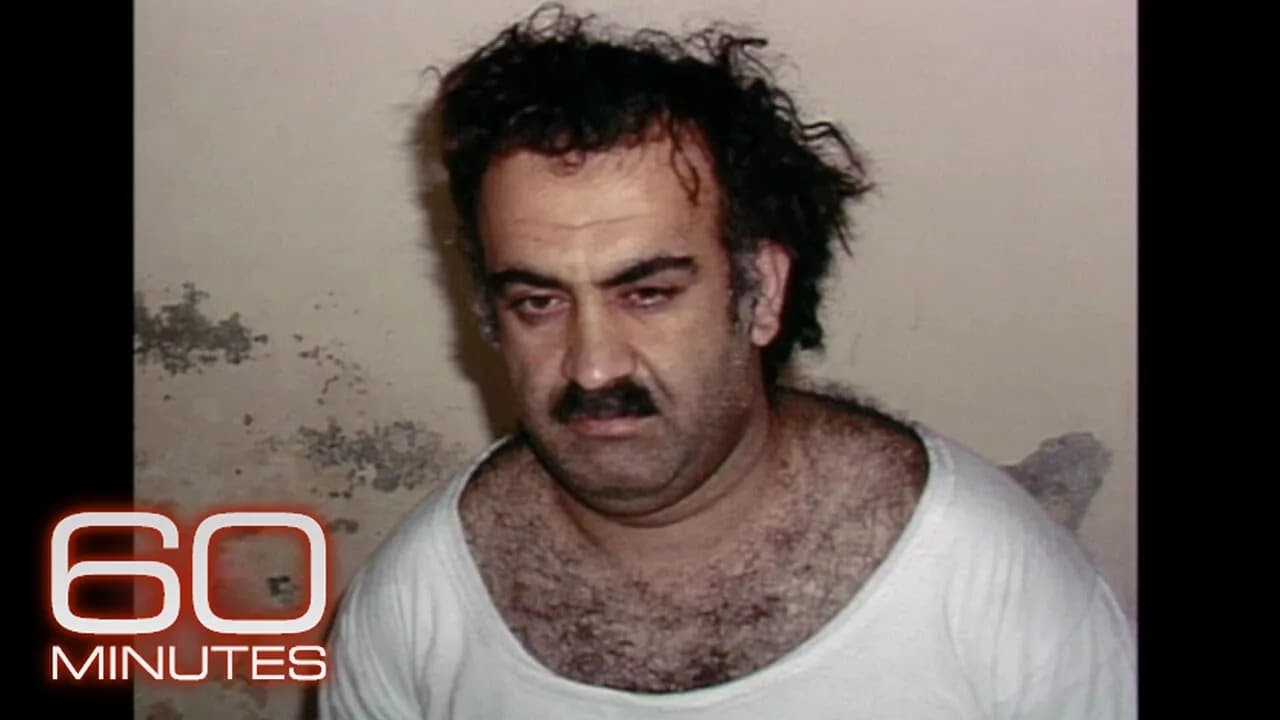
David Nevin represents Khalid Sheikh Mohammed (KSM), identified as the architect of 9/11. Despite KSM's admission to the attacks, complications arise from his subjection to waterboarding 183 times in one month.
Nevin filed a declaration detailing his client's treatment, but after redaction, minimal information remained public. Nevin argues that if the government did not want to reveal its secrets, it should not have tortured the defendants, yet the information remains classified.
After CIA interrogations ended, the FBI deployed a "clean team" to question the defendants without coercion. These statements are legally admissible, creating a loophole where voluntary statements made after time passage, in different locations, with different questioners may be considered admissible.
Nevin challenges this approach, stating that statements obtained after three years of torture and continued captivity cannot be considered clean simply because different agents conducted the questioning.
General Martins maintains that individuals do not forfeit accountability opportunities because someone may have crossed the line or applied coercion. He argues that justice requires examining whether statements were voluntary despite prior coercion, and that such voluntary statements can exist.
Navy Commander Walter Ruiz, representing Mustafa al Hasawi, respects Martins as a patriot but criticizes a system that classifies war crimes evidence and provides loopholes for torture and coercion. Ruiz notes that while the national anthem plays daily at Guantanamo, the Constitution has been rendered persona non grata.
Martins addresses the defendants' status as non-uniformed combatants who targeted civilians rather than engaging in traditional battlefield operations. Defense counsel maintain that the United States has established legal processes that should apply universally.
The trial involves numerous firsts for military commissions, including unprecedented legal questions regarding CIA tactics and the nature of the crimes being prosecuted.
The courtroom, where the first American war crimes trial since World War II will occur, features individual tables for each of the five defendants. Khalid Sheikh Mohammed has a personal screen for court documents and Arabic translation capabilities.
During proceedings, defendants are transported from the secret Camp Seven facility to holding cells via the "black mile" corridor beneath sniper meshing. KSM's holding cell measures 8 by 12 feet, is air-conditioned, and includes an arrow pointing toward Mecca for prayer.
Defense lawyers discovered surveillance equipment disguised as smoke detectors in attorney-client meeting rooms. One attorney initially believed guards' assurances that the devices were functional smoke detectors until researching the manufacturer and learning they produce listening devices designed to resemble smoke detectors.
Motions were filed, witnesses called, and the judge confirmed the smoke detector was actually a listening device. However, the judge determined that General Martins and his prosecution team were not conducting the eavesdropping.
Defense attorneys report an incident where the red security light, which indicates classified information disclosure and should only be activated by the judge or court security officer, activated during innocuous unclassified remarks. Neither the judge nor security officer activated the light.
The judge later determined the CIA activated the light, though the CIA maintains no physical presence in the courtroom. Defense counsel demanded to know the CIA's location but the government refused to provide this information.
Defense teams argue the CIA operates with a different agenda from the prosecution. General Martins maintains the trials will proceed fairly and that all allegations will be addressed through established processes.
Critics question why extensive legal procedures are necessary given that KSM admitted masterminding the attacks that killed 3,000 people. Martins responds that the law requires the prosecution to present proof beyond reasonable doubt before establishing guilt, and that the goal is to dispense justice that can be viewed with pride.
Keep 60 Minutes in your library
Save the videos and channels worth coming back to, and find them again in one place.