RAM's free clinics full of needy patients, but slowed by red tape
In a Nutshell
Remote Area Medical (RAM), a charity founded by Stan Brock in the 1980s, now runs 90 pop-up clinics yearly in the US, providing free dental, eye, and medical care to uninsured patients amid overwhelming demand, as seen in packed parking lots 18 years after its first 60 Minutes feature. State licensing laws block out-of-state volunteer doctors and dentists from practicing even for charity weekends, slashing clinic capacity from 60+ chairs to 20 in restrictive states despite laws like Tennessee's Volunteer Health Care Services Act allowing it. RAM's CEO and volunteers urge national legislation for interstate practice to unleash more providers and expand free care, as patient needs grow rather than fade.
These notes were generated by AI and may contain inaccuracies.
60 minutes overtime. >> That's amazing. >> It looks really good. >> Yep. >> How will this make a difference for you? >> Night and day. That gave me my life back. >> Gave you your life back. This week on 60 Minutes, we return to a charity that we first met in 2008. It's called Remote Area Medical, known as RAM.
Heart disease. >> RAM started in the 1980s, created by an eccentric Englishman and daredevil pilot named Stan Brock. It was started to drop doctors and medicine into remote parts of the South American jungle. But then they realized there was another population that was isolated from medical care, Americans who lacked insurance.
And so Stan started doing these popup clinics in the United States to take all comers, anyone, no questions asked, especially those people who didn't have insurance. We are still able to see a few more patients. >> Back in 2008 when we did our story, RAM was holding about 12 clinics a year. But then immediately after the 60 Minutes story went on the air, $4 million in donations came in, plus thousands of more volunteers signed up. And today, RAM is doing about 90 clinics a year. All right, >> you're good.
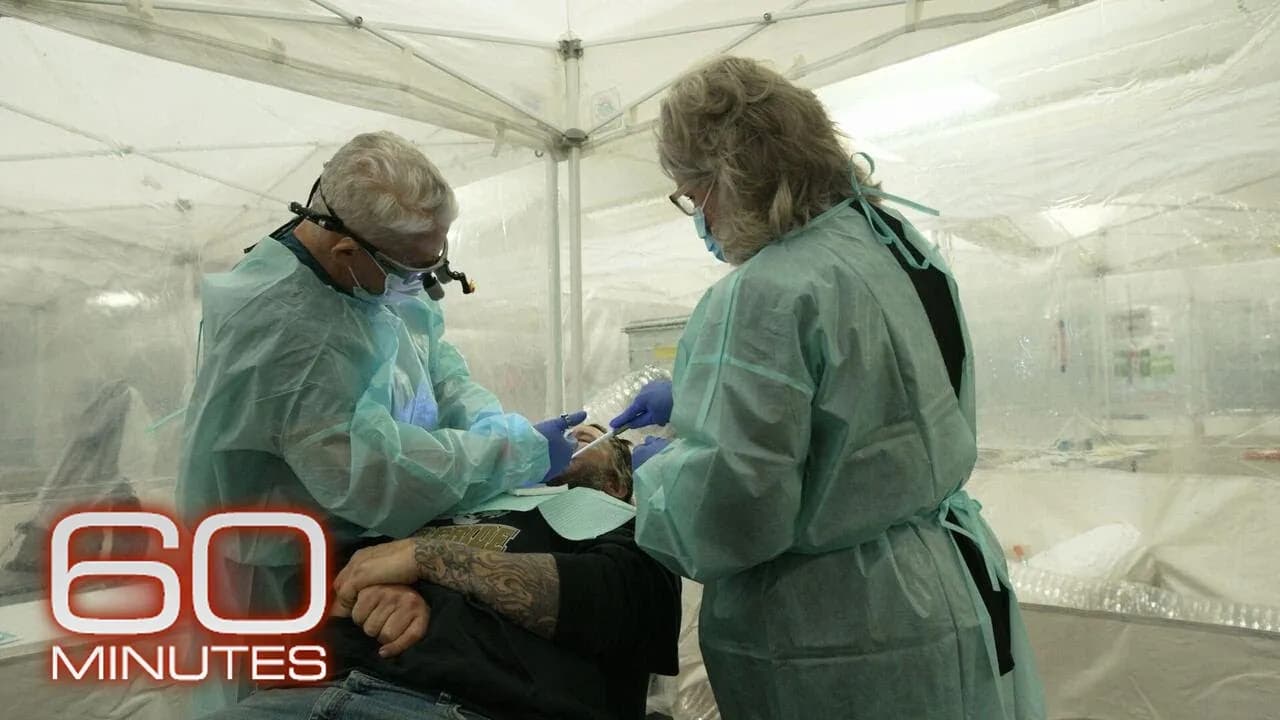
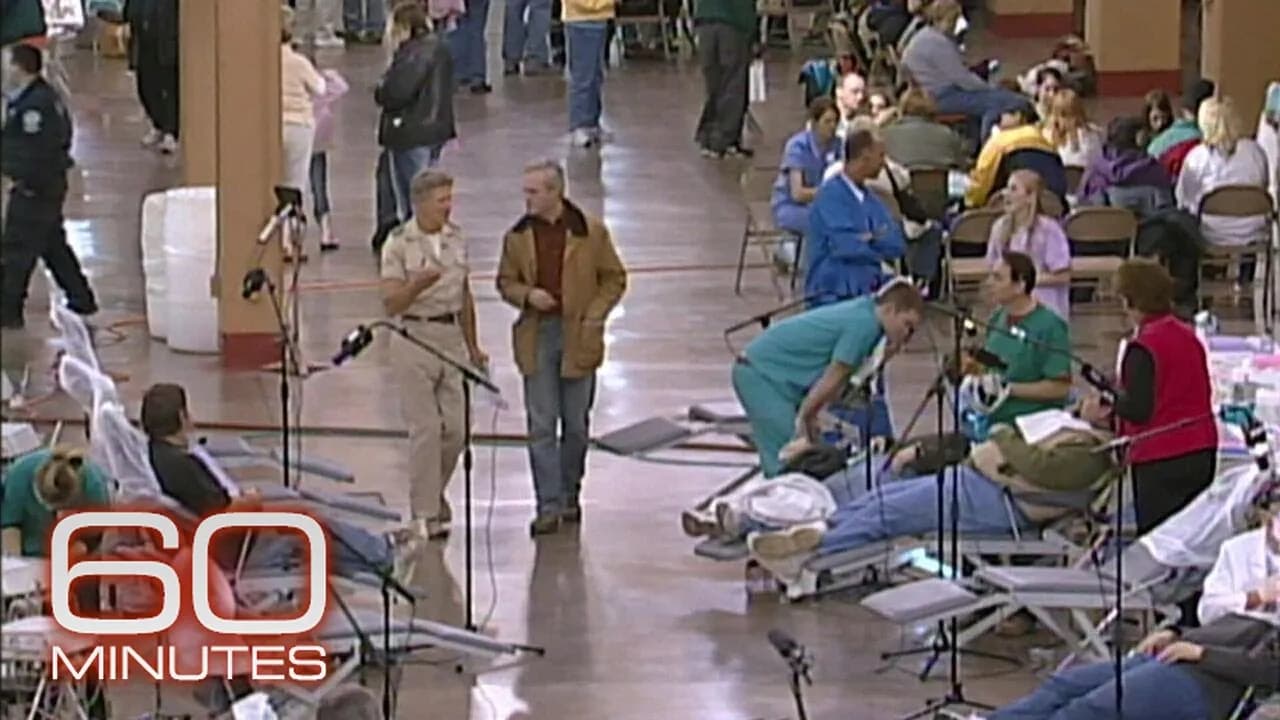
One of the things that we found striking about our return to RAM was how the parking lot really hasn't changed. There still were so many people seeking dental care because dental care isn't covered in so many health plans. Hundreds of people seeking eye care, people who can't see well going in and having their eyes examined and glasses made for them right on the spot.
But one of the things that gets in the way of RAM's compassion is red tape. >> Where do you get the volunteers? Where do the doctors, the dentists, the opticians come from? That's an interesting question because >> Stan told us in 2008 that there are many states in this country that do not allow doctors licensed in another state to cross state lines and practice in their state. Even if it's just for a weekend and it's charity care, >> we can't find enough dentists and eye doctors and medical doctors here locally in Tennessee. We need to be able to bring them in from outside of the state.
A doctor from Texas can't necessarily go to another state and practice medicine even for a weekend as a volunteer. >> Absolutely not. And so they actually did adopt that. It's called the Volunteer Health Care Services Act of 1995. Now, that needs to be the general rule throughout the United States.
Stan died in 2018. Now, Chris Hall is RAM's CEO. >> We're fortunate Tennessee allows doctors to cross state lines. Stan lobbyed Tennessee. Tennessee was the first state to pass that. And then after Tennessee, other states have joined in. We have doctors from New Jersey, New York, Louisiana, Washington here at this event providing free care. But that's not the same at all of our events. Any medical problems at all? >> Nervousness. >> Nervousness.
Dentist Glenn Goldstein is from New Jersey. >> What I do in New Jersey is the same thing I do in Tennessee or California. It's the same dentistry. So that is what needs to change. That's a problem in this country. I can't volunteer in New York. I'm in New York. Connecticut, Maryland. Can't volunteer. That's very frustrating. There are doctors that are willing to give of their time and they're restricted by a state license.
So what needs to happen in your view? >> What I'd like to see happen is our administration creates legislation that covers all 50 states, doctors without borders. So I could go to California, I go to Washington, I go to Florida. I can't do that now. Medical providers train for years all across state lines, but when it comes to licensing, they get licensed in one state. And there's red tape that prevents them from crossing state lines to provide free care.
You see a large events like today's event with 60 plus chairs. That's possible because we're able to staff with dentists and doctors from all over the country. But you get to a state that does not allow that, the chair size drops down to 20. So the cost to put on the event runs about the same. It's just you're not able to provide as much care to as many patients in that same time frame.
What would happen if all 50 states allowed doctors to cross state lines? >> I think you would see an outpouring of providers to be able to provide free care and more people getting treatment day in and day out.
When we did our original story, Stan Brock told me that he intended to work himself out of a job. >> That that is the dream to work ourselves out of a job. If that time ever came, we would do exactly what Stan wanted and return to the developing countries of the world. But the need for our services are not lessening. They're only getting more.
Hey there. >> Hello. >> I'm Scott P. How are you? It's a little dismaying, I have to say, to walk out there again 18 years later at 5:00 in the morning in that parking lot and see the cars lined up row after row and know that those Americans are not covered and are desperate for medical care. >> There we go. >> All right.
What does this moment mean to you? I'm just really thankful that y'all are here for people that I don't know what I do. You know, the Lord would make a way, but I feel like he has made a way through RAM.
Keep 60 Minutes in your library
Save the videos and channels worth coming back to, and find them again in one place.