Lifeline: Remote Area Medical (2008) | 60 Minutes Archive
In a Nutshell
Remote Area Medical (RAM), founded by Stan Brock to deliver free volunteer care in remote global areas, now runs weekend clinics in the US for the uninsured and underinsured amid a crisis affecting 47 million Americans. In Knoxville, Tennessee, over 900 patients received donated medical, dental, and vision services—including 166 tooth extractions, 567 fillings, and 500 glasses—but hundreds were turned away after queuing overnight in freezing conditions. The expeditions expose America's healthcare failures, with working poor families traveling hundreds of miles for basic care they can't otherwise afford.
These notes were generated by AI and may contain inaccuracies.
One of the decisive issues in the presidential campaign is health insurance. Texas and Ohio have nearly 7 million uninsured residents. Nationwide, 47 million have no health insurance. Millions more are underinsured, unable to pay deductibles or access dental care.
Remote Area Medical (RAM) airdrops doctors and medicine into the Amazon jungles but now operates emergency clinics in America where needs are greatest. RAM, founded to help people unable to reach medical care, throws America a lifeline.
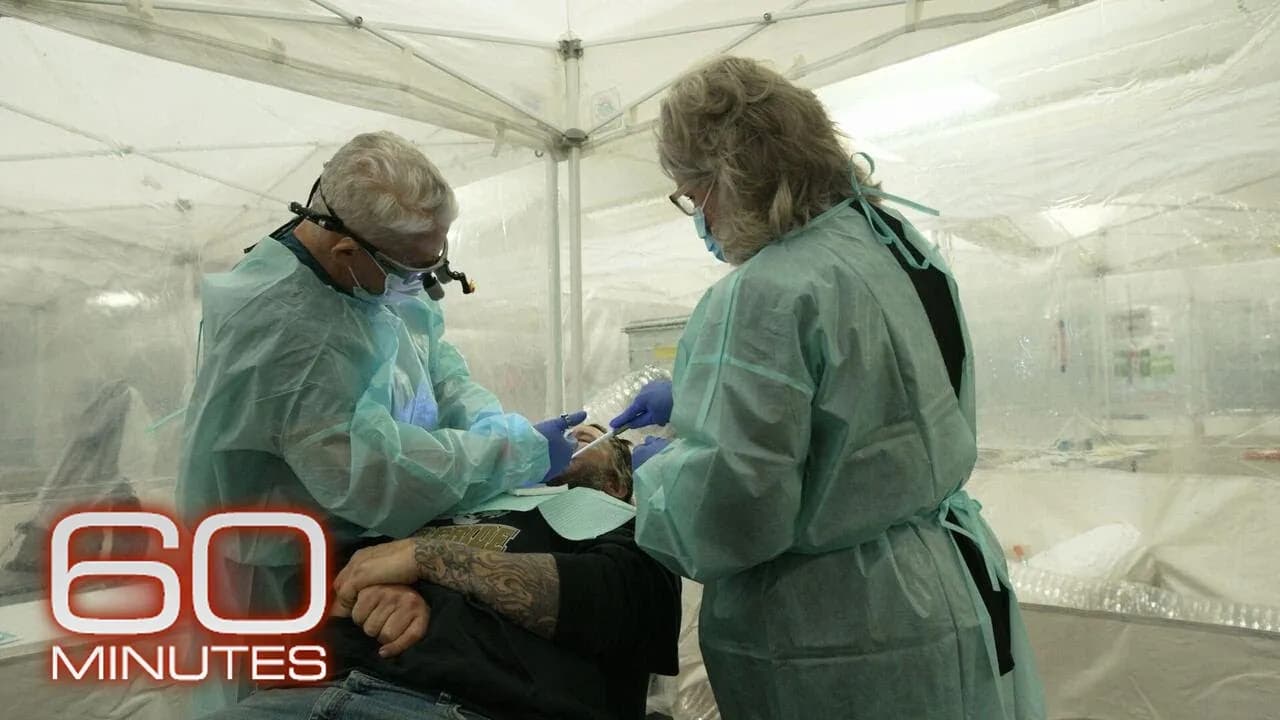
RAM set up a massive clinic in an exhibit hall for a weekend in Knoxville, Tennessee. Tools for dentists laid out by the yard. Optometrists prepared hundreds of pairs of glasses. General medical doctors ready for any cases. Nearly everything donated. All volunteers. Care free. Unknown patient numbers.
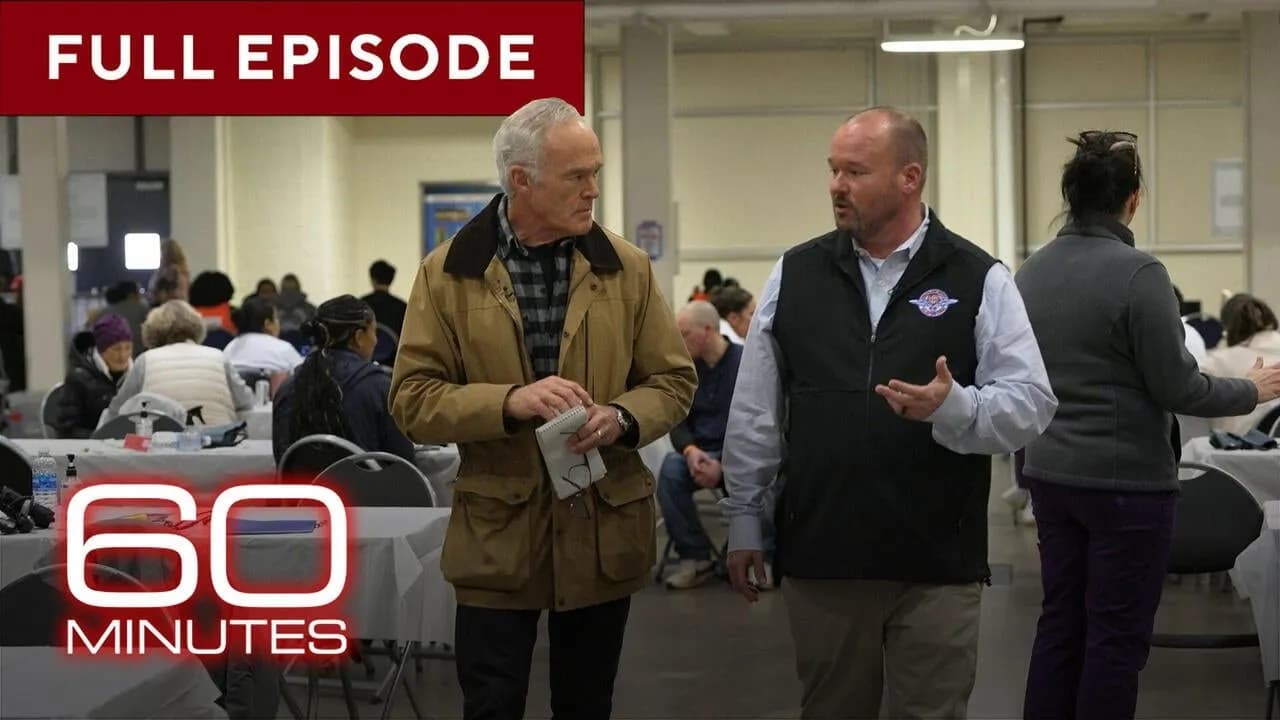
Stan Brock, RAM founder, opened the gate before midnight. Clinic opens in 7 hours, but people in pain queued early. State guardsmen handled crowd control, handing out numbered tickets like boarding passes for a medical lifeboat.
Number six.
People brought snacks and blankets, stayed warm at 27°. Young and old spent night in cars, running engines sparingly at $3/gallon gas. At 5:00 a.m., parking lot full.
How long you been out here tonight? Uh, we got up at 3:00 this morning and we got here about 4.
Why'd you come so early? Cuz we wanted to be seen.
Marty Tankersley came with wife and daughter, drove 200 miles from Dalton, Georgia, slept in parking lot 7+ hours for excruciating pain from infected tooth.
Hundreds arrived via news or word of mouth. Stan Brock calls RAM clinics medical expeditions, takes all comers for the weekend only.
When you set up the first expedition in the United States, were you surprised at the number of people who came? Yes. Yes I was. And the numbers are getting higher. And I don't know if it's because we're getting better known or that the healthcare in this country is getting worse.
Saturday 6:00 a.m., patients entered by numbers. 276 volunteers from 11 states.
Are you here for medical, dental, or vision? When was the last time you had a breast exam by a nurse or doctor? Never. 20 years. 25 years ago.
RAM finds volunteer follow-up for cancer, diabetes, heart disease diagnoses. Patients are working poor, middle-aged, with families, employed but without adequate insurance.
Dr. Ross Isac saw Marty Tankersley, who had two heart attacks and surgery years ago, no follow-up. Truck driver with major medical insurance but $500 deductible unaffordable; dental too costly. Underinsured like Tankersleys are tens of hundreds of thousands. Family got checkups, glasses, mammograms, tooth extraction.
This has truly been a godsend to us, to me and my family, and to all the hundreds of people that's here.
I see the faces, the relief in the faces. This has been a wonderful thing.
This was RAM's 524th expedition.
RAM started 1992 airlifting relief to Latin America. At 71, Stan Brock flies antique fleet, including C-47 from D-Day. British-born adventurer, cowboy in Amazon, starred on TV's Wild Kingdom as naturalist daredevil.
Brock devoted to RAM: no family, no salary, no home. Lives in abandoned Knoxville school leased for $1/year; showered with hose until recently.
When we see what we've seen over the last weekend, how do you pay for all of that? In the first place, we really know how to stretch the dollar. We operate entirely on the generosity of the American people. I'd like to say that we had big corporate support in America, but we don't. So, it's those little checks from those people that send in the $5 and the $10.
RAM budget $250,000/year, treated 17,000 patients last year.
Saturday: 600+ patients, nearly all seen, 15 turned away for Sunday.
Sunday: hundreds more, tickets restarted at 1. Doctors raced clock before heading home.
Who's got 361? 362. 363.
Nurse practitioner Terresa Gardner saw Rebecca McWilliams, 28-year-old mother of three. Cervical cancer surgery 2005, no recommended follow-ups; last Pap smear 2 years ago, supposed every 6 months but only once since. Husband lost job past summer, hard to afford with 3 kids.
You know, I think many doctors would say you've taken a terrible risk. Waiting this long. Yeah. I really have, but it's just like I said, it's very hard to afford it.
Pap clear, but clinical exam showed possible lingering cancer.
You've created this medical organization that was designed to go into third world countries to go into remote places and now you're doing 60% of your work in urban and rural America. What are we supposed to make of that?
For 50 million people, fear of catastrophic events like car crash or heart attack due to no insurance or underinsured, leaving families in jeopardy.
Late Sunday, Joanne Ford, retired on social security disability, no insurance, glasses failed. Number called late, but vision line closed.
How is your vision? In my left eye it's probably I couldn't see your face.
The Lord will take care of me. The Lord will provide. But not today. So I got to look for another option. But I'll find one. I have a lot of good friends and a lot of church support. I was very active in my church... I just hate to ask. I'd worked all my life. I hate to ask. That's why things like this are so wonderful.
There is no shame in seeking health care. No, you're right. You know, I really I am sad that we are the wealthiest nation in the world and we don't take care of our own.
RAM noticed Joanne, put her in vision line for new glasses.
At close, many waited.
If I may have your attention, please. I'm afraid that we've got some rather disappointing news. 449 and 450.
Knoxville expedition: 920 patients, 500 pairs of glasses, 94 mammograms, 166 teeth extracted, 567 fillings. 400 turned away.
What's going through your mind when you're reading off the last two or three numbers and you see so many more people at the gate than are going to be able to come in? Yeah. Well, you know, that's the lousy part of this job. I mean, it's nice to know that you've helped a bunch of people, but the reality is that we can't do everybody at the moment. We're just seeing the thousands and thousands of people that we can and the rest of them unfortunately have got to do the best they can without us.
Keep 60 Minutes in your library
Save the videos and channels worth coming back to, and find them again in one place.