Samsung Galaxy Ring in 2026: Updates Fixed It?! (Scientific Review)
These notes were generated by AI and may contain inaccuracies.
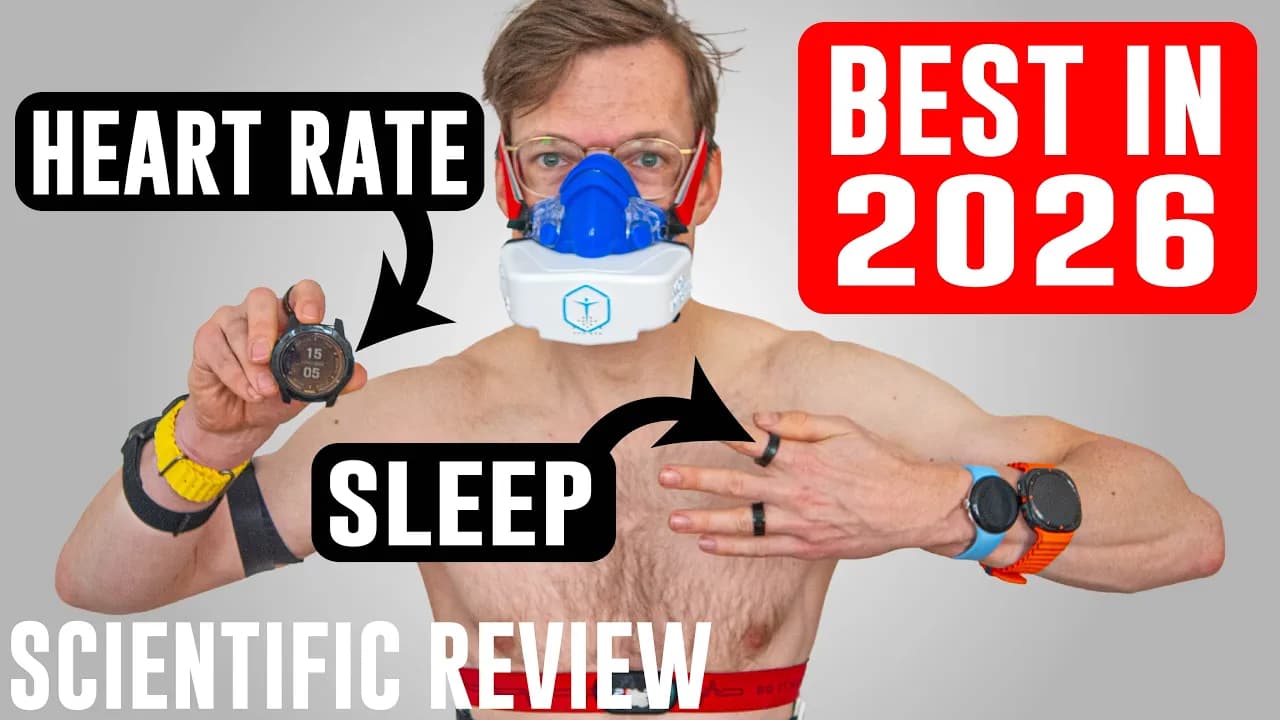
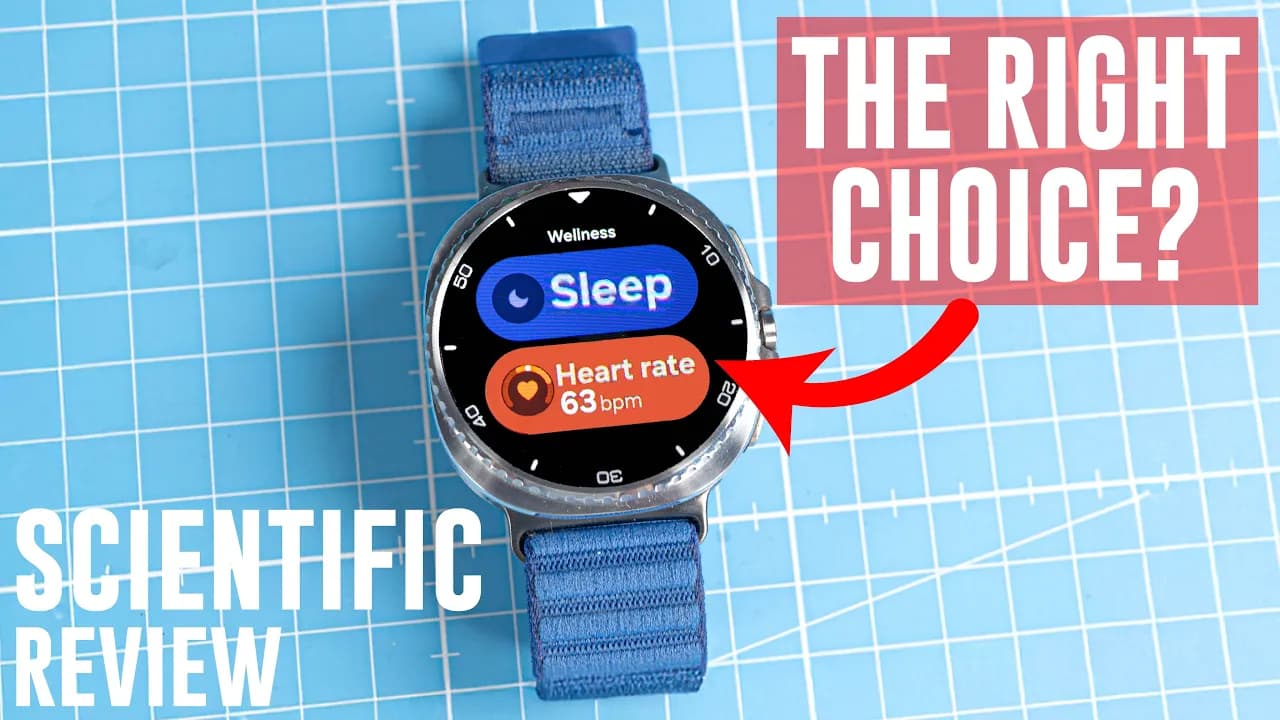
Nowadays, there are a lot of smart rings out there. The market leader is the Aura ring, and the reviewer is wearing two of them. Recently tested the Samsung Galaxy Ring again. Initial testing showed poor sleep stage tracking. New Galaxy watches like the Galaxy Watch Ultra 2, Galaxy Watch 8, and Galaxy Watch 8 Classic have improved sleep stage tracking. Tests if the improved sleep stage tracking came to the Galaxy Ring and if it's good for tracking sports.
Rob is a post-doctoral scientist specializing in biological data analysis. Reviews focus on objective data to determine which devices can be trusted for health and sports tracking. Focuses on sleep (sleep stages) and heart rate during sports. Testing multiple rings. Other parameters like heart rate variability require specialized testing, not covered here.
Normally starts with heart rate during exercise, but for rings, main purpose is health tracking, not exercise. Starts with sleep stage tracking. Will show heart rate testing during exercise; if Galaxy Ring tracks well after firmware updates, it would be the first recommendable ring for exercise.
Uses confusion matrix for analysis. Reference device is ZMAX EG headband, designed for sleep tracking, used in scientific literature. Measures brain waves, silver standard (gold standard is polysomnography with more electrodes; ZMAX has two pairs for eye movements and brain waves).
Confusion matrix: Top rows are reference sleep stages, left columns are Galaxy Ring predictions. Perfect agreement would have 100% on yellow diagonal.
- Deep sleep: 82% agreement, most confusion with light sleep.
- Light sleep: 53% agreement (worst), similar to Galaxy Watch 8 Classic. Much light sleep predicted as deep sleep or REM sleep, leading to extra REM and deep sleep detection.
- REM sleep: 78% agreement, most confusion with light sleep.
Not consistent across stages, but good at detecting most reference deep and REM as such, while overestimating by classifying light sleep as deep/REM. Better than many competitors. REM is usually hardest; good that it's improving but overestimating.
Plot shows average agreement over three stages (horizontal axis) and worst stage agreement (vertical axis) for balance across stages.
Galaxy Ring new testing is close to Galaxy Watch Ultra 2, Galaxy Watch 8 Classic, and Galaxy Watch 8. Among second tier with older Fitbit/Google and Whoop algorithms. Those brands updated in mid/end 2025, improving them.
Top six brands for sleep stage tracking:
- Apple (deep sleep biggest problem, improved slightly)
- Aura Ring
- Whoop strap (Sleep 2 or newer)
- Google/Fitbit
- Eight Sleep Pod (reviewer's favorite sleep improvement device; cools/heats bed independently per side, great for hot sleepers; preheats in winter; expensive, affiliate link for discount)
Old Galaxy Ring testing much worse; big improvement with same scuffed ring via firmware update. Likely all supporting Galaxy devices got the update (possibly server-side calculation). Good news: free update, no subscription unlike Aura Ring, bonus in Galaxy ecosystem.
Limited to reviewer's body and reference device, but shows improvement.
Rings classically poor at heart rate during motion; better at night when stable. Retested Galaxy Ring.
Indoor Cycling
Scatter plot: reference (horizontal) vs Galaxy Ring (vertical), blue line perfect agreement. Often detects too low heart rate (90-100 bpm vs actual 120-160 bpm). Correlation 0.51 (low).
Four sessions:
- First: detects baseline during intervals.
- Second: detects one peak, otherwise poor; slight shift optimized.
- Third (easy 200W, ~130 bpm): okay when stable, misses quick changes; recording stopped (battery?).
Among worst performers with Aura Ring, old Galaxy Ring, old Amazfit. Top performers (correlation ≥0.98): Apple Watches, Wahoo, Amazfit Helio strap, Pixel, in-ear like PowerBeats Pro 2.
Running
Worse correlation 0.22 (narrow range exaggerates; still poor, often half actual HR). Some cadence lock (mistakes cadence for HR), improves as fingers warm. Picks some intervals. Not terrible visually but deviations; not trustworthy. Recommends dedicated sports watch with chest strap, Apple Watch, or Pixel Watch for running.
Recommends Runner app for customized plans/live guidance (2-week trial via affiliate).
Outdoor Biking
Most points below blue line (too low HR), correlation 0.37. Individual rides erratic, auto-pause issues, way off. Only one okay ride.
Among worst with other rings (Amazfit Helio, Aura). Recommends: chest strap, Amazfit Helio strap (biceps), Apple Watch Ultra 3/watches, Pixel Watch, AirPods Pro 3, Huawei (e.g., Watch Fit 4/Pro, GT6 Pro; good value in Europe).
Asks viewers: Do you use Galaxy Ring for workout HR? Share experiences in comments.
Sleep stage tracking: Improved, good enough if in Galaxy ecosystem. Combine ring at night with Galaxy Watch day/exercise. Better options: Aura Ring, Eight Sleep Pod, Whoop, Apple Watch (deep sleep limits), Oura/Nua (likely transcription for newer Whoop), Fitbit/Google.
Galaxy closing gap. No ring good for exercise HR tracking.
Galaxy Ring benefits: no subscription (vs Aura), one-off purchase. Aura objectively better in testing and app experience.
Nuanced choice based on needs. Affiliate links for Galaxy Ring, Galaxy Watch 8 Classic, Aura, Eight Sleep Pod, etc., or general Amazon link (bookmark for support).
Recommends related videos on best sleep trackers and Eight Sleep Pod.
Keep The Quantified Scientist in your library
Save the videos and channels worth coming back to, and find them again in one place.