STOP Dementia Before It Starts (31 Proven Tips)
In a Nutshell
Dementia prevention is possible for 40% of cases through aggressive lifestyle changes, especially lowering high luteinizing hormone with ashwagandha, magnesium, and zinc, plus raising testosterone. Key interventions include TUDCA and milk thistle for liver/brain protection, betaine HCl for stomach acid and B12 absorption, DHA, zinc, silica for aluminum removal, NAD boosters, and consistent exercise. Additional factors like avoiding air pollution, maintaining progesterone, using music/dance, treating depression with vitamin D3, and considering noble kava further reduce risk.
These notes were generated by AI and may contain inaccuracies.
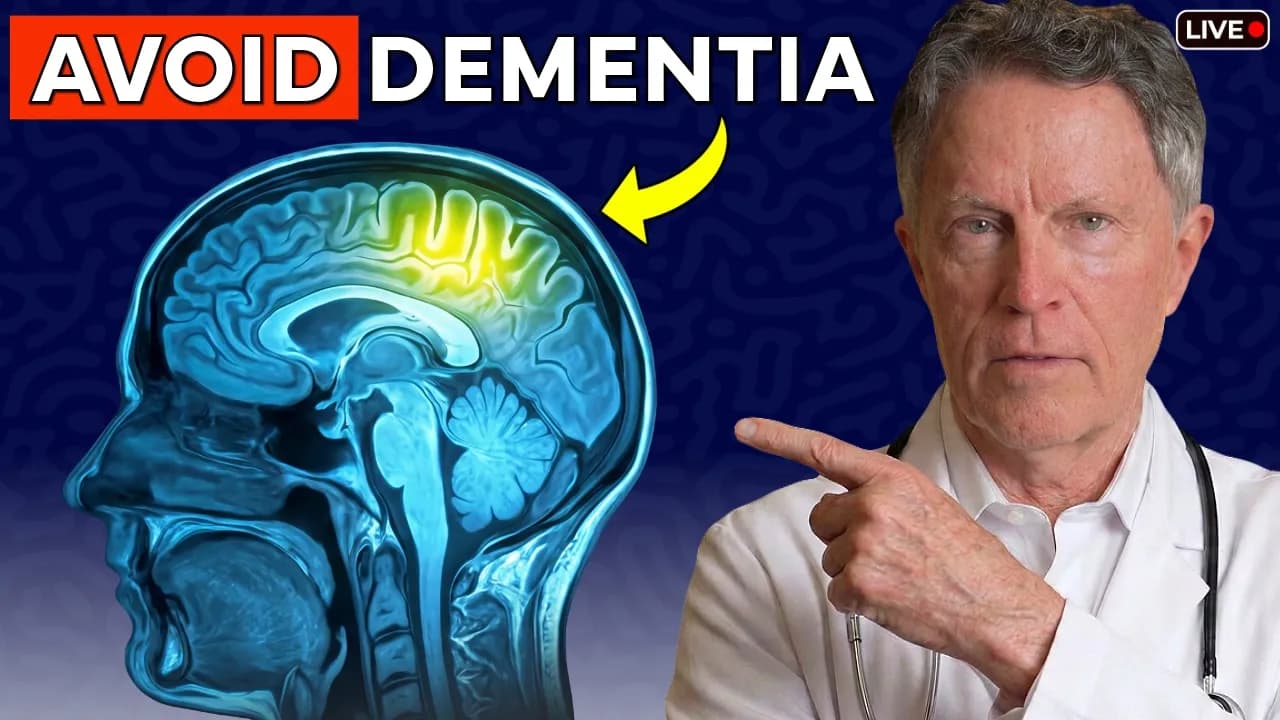
Dementia is not a single symptom or disease but a spectrum of brain dysfunctions including memory loss, language problems, personality changes, and difficulties with thinking and problem-solving. A high-carb diet is identified as a major driver behind dementia, along with deficiencies such as B12. It is stated that 40% of dementia can be prevented with lifestyle changes. The speaker questions why this percentage is not higher and emphasizes that individuals should actively and aggressively pursue prevention strategies.
Age is the biggest risk factor for dementia. As people age, luteinizing hormone levels rise significantly. This hormone, produced in the pituitary gland, signals the gonads to produce hormones, but with age-related decline in ovarian and testicular function, the feedback loop fails and luteinizing hormone levels become elevated. Three effective ways to lower luteinizing hormone are ashwagandha, magnesium, and zinc. Both women and men experience declining testosterone with age, and improving testosterone levels can protect the brain significantly.
Tudca is a synthetic version of bear bile. It crosses the blood-brain barrier and is used for stroke recovery. Tudca improves insulin sensitivity, reduces liver inflammation, decreases cirrhosis, and helps with fatty liver.
Milk thistle protects the liver against poisons including snake venom and mushroom toxins. It acts as a powerful antioxidant for nerves and the brain, helping decrease toxic plaque buildup associated with dementia. Advanced liver damage such as cirrhosis can impair cognitive function.
Betaine hydrochloride increases stomach acid production. It addresses indigestion and acid reflux. With aging, stomach acid production declines, impairing mineral absorption, protein digestion, and B12 extraction from food. Insufficient stomach acid and resulting B12 deficiency can produce symptoms that mimic dementia.
Air pollution, including smoking, allows toxins to enter the lungs, bloodstream, and brain, generating oxidative stress and inflammation that impair cognitive function. Apps are available to monitor local pollution levels. Recommendations include using air filters indoors, spending time in nature with clean air, and potentially relocating from heavily polluted areas. Air pollution is a notable but secondary risk compared to smoking.
Progesterone protects the brain and is used therapeutically for degenerative brain diseases. Levels decline sharply with age in both men and women. Supplementation may be beneficial for those with dementia.
Music and dance reduce dementia risk by stimulating brain regions and increasing oxytocin, which lowers chronic stress and cortisol while improving sleep quality.
Depression affects neuronal physiology. Vitamin D3 is highlighted as a primary intervention for mood support.
DHA, a structural omega-3 fatty acid, comprises a significant portion of brain tissue. Deficiency increases dementia risk. Sources include fatty fish, sardines, and cod liver oil. Zinc supports brain function and reduces plaque risk; dietary sources include red meat, oysters, and shellfish.
Deprenyl is an FDA-approved drug for Parkinson's that inhibits neurotransmitter breakdown. Clinical trials indicate benefits for dementia, though it is not approved for this use. Natural MAOB inhibitors such as noble kava exist but are less potent and carry fewer side effects. Noble kava is noted as a potential alternative specifically for those with dementia.
Aluminum accumulation in the brain impairs cognitive function. Silica acts as a natural chelator that binds aluminum and other heavy metals for removal. Silica water or supplements have shown evidence of benefit, including in children with autism.
NAD transfers electrons from food to generate cellular energy. Levels decline with age. Niacin (vitamin B3) supplies raw material for NAD synthesis. High-intensity interval training also increases NAD.
Exercise is one of the most potent dementia-prevention strategies. It reduces stress, increases oxygen delivery, and stimulates genes that raise brain-derived neurotrophic factor, promoting new brain cell growth.
The body functions like a fish tank: if the environment remains toxic, other interventions fail. Ten key signals—includin
Keep Dr. Eric Berg DC in your library
Save the videos and channels worth coming back to, and find them again in one place.