The Acid Reflux Drug That Causes Heartburn
In a Nutshell
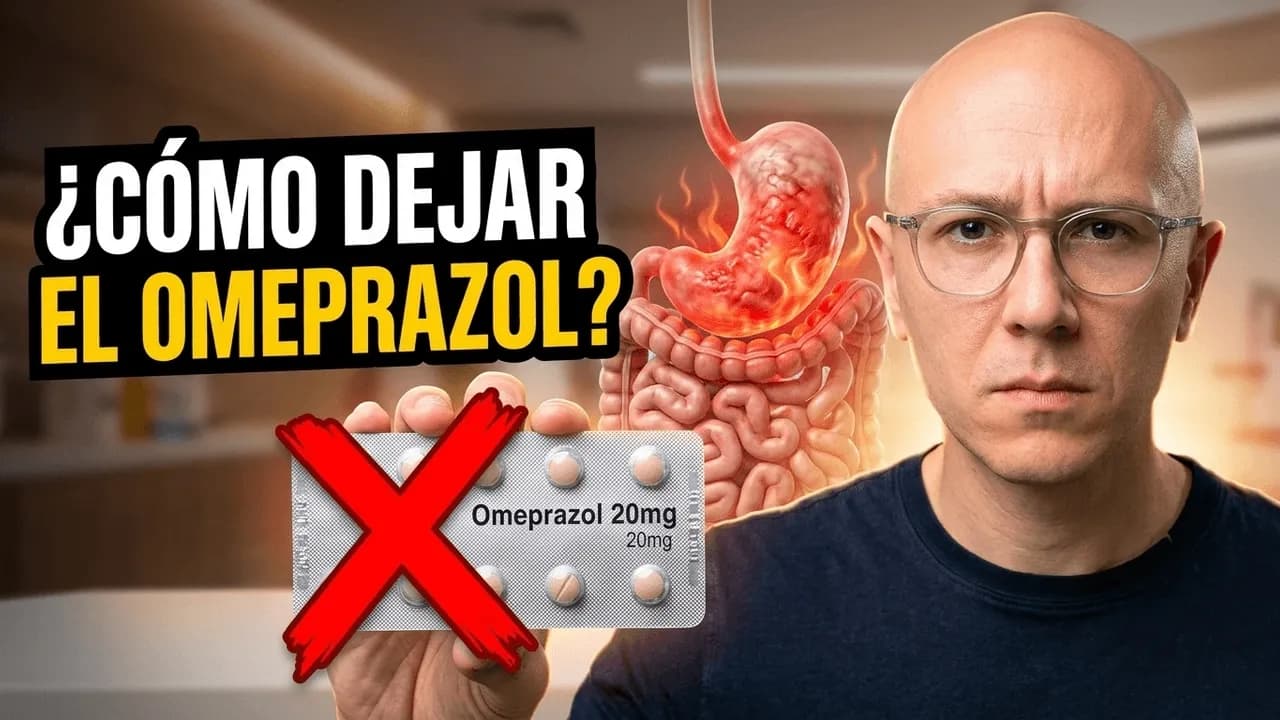
Long-term PPI use creates a rebound effect: in one study, 44% of healthy people developed heartburn after stopping the drug versus 15% on placebo, because PPIs trigger the stomach to overproduce acid for weeks after discontinuation. PPIs don’t reduce reflux frequency—they only lower acid strength—while stomach acid is essential for digestion, mineral absorption, and microbial defense; long-term suppression depletes magnesium and B12 and raises risks for kidney and neurological issues. True fixes target the lower esophageal sphincter: correcting hiatal hernia, cutting sugar, and using betaine HCl to restore stomach acidity rather than further suppressing it.
These notes were generated by AI and may contain inaccuracies.
Omeprazole is the 10th most prescribed medication in the US. In 2009, researchers recruited 120 healthy people with no heartburn and gave half of them a PPI. Within weeks of taking the drug away, 44% developed heartburn, indigestion, and acid reflux compared to 15% in the sugar pill group. The drug did not fix the problem—it actually caused the symptoms.
Researchers tested acid production in 155 people with verified esophageal damage and compared it to over 500 healthy people. There was no difference in acid production levels between the groups. Some reflux patients actually produced less acid.
PPIs do not reduce the frequency of acid reflux. They reduce acid production but the actual number of reflux episodes remains unchanged.
Over-the-counter antacids warn not to take for more than 14 days. Prescription PPIs state 4 to 8 weeks maximum. Yet over 25% of people take them for over a year, and 3.9% take them over 5 years.
The pH in the stomach is between 1 and 3. This extremely acidic environment is needed to digest protein, kill microbes, absorb B12, break down and absorb calcium, magnesium and other minerals, trigger the pancreas to release enzymes, and trigger the liver to release bile into the gallbladder.
Long-term PPI use depletes magnesium, leading to tremors, leg cramps, irritability, and anxiety. It also causes B12 deficiency, which can lead to neurological problems. Kidney inflammation is another side effect. Anxiety and depression are common complications.
The valve opens when the stomach stretches due to bloating, when there is a hiatal hernia creating back pressure, and when people consume more sugar.
Betaine hydrochloride helps acidify the stomach. If food is not being digested in the stomach, it can ferment and create pressure that opens the valve. Adding acid with betaine hydrochloride can help solve the deeper problem in many cases.
For patients taking PPIs for an ulcer, zinc carnosine should be taken first to heal the ulcer or gastritis before introducing betaine hydrochloride, which would make an ulcer worse.
When coming off a PPI, the body produces 3 to 5 times more gastrin, leading to increased acid production that can last 2 to 8 weeks. Baking soda in water may provide relief during this transition period.
Doctors often do not explain that PPIs can cause acid reflux as a side effect, and that PPIs do not stop the number of reflux episodes.
Intermittent fasting allows the digestive system to rest. A low-carb diet helps because consuming more carbs, sugars, and starches affects protein digestion in the stomach and intestine.
Keep Dr. Eric Berg DC in your library
Save the videos and channels worth coming back to, and find them again in one place.