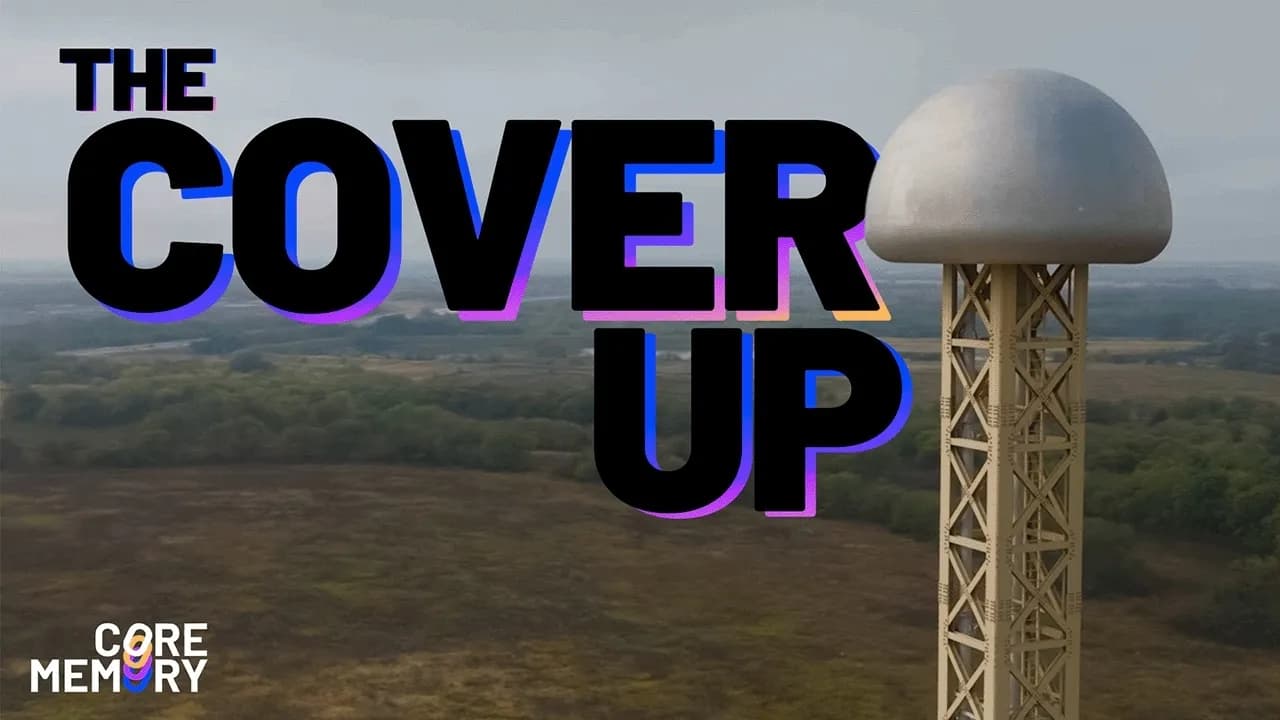
The Great Texan Telescope Ranch: Rent The Skies For $99
In a Nutshell
StarDate Observatories in remote Brady, Texas—free of light pollution—lets users rent telescopes starting at $99/month for remote astrophotography, eliminating travel hassles like weather uncertainty and costs; they've grown from groundbreaking in May 2024 to 550 scopes, adding 2-3 daily. Telescopes auto-track stars on equatorial mounts, capture events like Comet Lemon's ion tail in real-time, and enable discoveries such as unnamed nebulae. Owners treat scopes like "babies," with plans for expansion to Australia.
These notes were generated by AI and may contain inaccuracies.
Arrives in Texas and visits Cooper's Barbecue in Llano (pronounced Yano). Select beef brisket by looking at the meat, then it follows on a field trip through sides and fixins. Thank God and cow, eat, and thrive.
On the outskirts of Brady, Texas, the geographic center of Texas, called the heart of Texas. Driving through small towns feels normal, like growing up, right speed, nice people, free living.
Entrance to StarDate Observatories. Meets Sophie the dog and Bray Falls, co-founder of StarDate Observatories, a remote observatory in the middle of nowhere with no city lights or light pollution. People from around the world send telescopes here; staff sets them up for remote access via computer for observations or photos.
Telescopes housed in buildings, all in standard park position pointed north at Polaris or the north celestial pole, aligned with Earth's rotation. Everything fastened with concrete anchors into the floor. Equatorial mounts track sky motion from east to west for long exposures accurately and point anywhere in the night sky.
Mine's the coolest one in here. It's intended for very fast photography. Each of these lenses is F2. With three of them, get three times the exposure in a given time, collecting light super quickly. Cost about 20K with filters and everything. Used duct-taped water bottles as counterweight ballast.
Having a telescope in person involves logistical battles: driving far from light pollution, uncertain weather, costs for gas, hotel, food. Leads to underutilization. Remote setup eliminates painful logistics; everything ready.
Broke ground in May 2024, about a year and 6 months ago. Currently 550 telescopes, adding two or three every day. Opened to broader consumer market. Monthly subscription: lowest $99/month, up to $400/month (other observatories charge 3K/month). On 40 acres, plan to build more buildings as needed.
A ship at harbor is safe, but that's not what a ship is for. A scope here is going to go do real things.
Telescopes are people's babies; taken very seriously.
As sun sets, telescopes prepare automatically. Special night viewing Comet Lemon (first day or two on this side of sky). Control telescope from anywhere. Captures comet in real-time photo. Ion tail changes every night, moves in 20 minutes from solar wind. Only time in our lives to see this comet. Excited every time.
Collection of spectacular images produced and colorized. Discovered a nebula from here with this telescope; gets to name it (not named yet). Plans to raise money for telescope branch in Australia and beyond.
Up next, visit old Branch Davidian compound where feds killed David Koresh and 79 others, including women and children.
Keep Core Memory in your library
Save the videos and channels worth coming back to, and find them again in one place.