The Most Attractive Body Fat for Men Will Shock You (NEW STUDY)
In a Nutshell
The study found that 13-14% body fat and 23-27 BMI are the most attractive for men, with moderate fatness preferred over both very lean and overweight physiques. Body fat percentage proved more important than shoulder-to-waist ratio across all cultures, and both men and women rated attractiveness similarly. For most trained men, the 12-15% body fat range with visible jawline, waist taper, and some abdominal definition represents the optimal attractiveness sweet spot.
These notes were generated by AI and may contain inaccuracies.
The study examined whether people rate male attractiveness as peaking at a specific body fat percentage or BMI, rather than assuming leaner is always better. The research tested whether body fat percent, BMI, or shoulder-to-waist ratio serves as the strongest predictor of attractiveness ratings. The study also examined whether the optimal BMI aligns with evolutionary predictions for healthiest BMI ranges, which span from low 20s to mid-to-high 20s.
The research recruited 283 university participants from Beijing, China, Panevėžys, Lithuania, and Aberdeen, United Kingdom. Both male and female raters evaluated the images. Each participant received 15 black and white DEXA body images of real men with blurred faces and height not shown. The body fat percentages ranged from 5.9% for the leanest males to 37.2% for the fattest males, corresponding to BMI values of approximately 20 to 34.
The images were organized into three distinct groups of five images each, ranked by adiposity: leaner side, moderate side, and heavier side. The primary outcome measure involved ranking cards in a sorting task, with participants arranging the 15 cards from most attractive to least attractive.
Body fat percentage showed a peaked relationship with attractiveness, with middle levels rated highest. The moderate category outperformed both the very lean and very fat categories. The most attractive male bodies clustered around 13 to 14% body fat. BMI demonstrated the same peaked relationship, with 23 to 27 BMI scoring best across all body sizes.
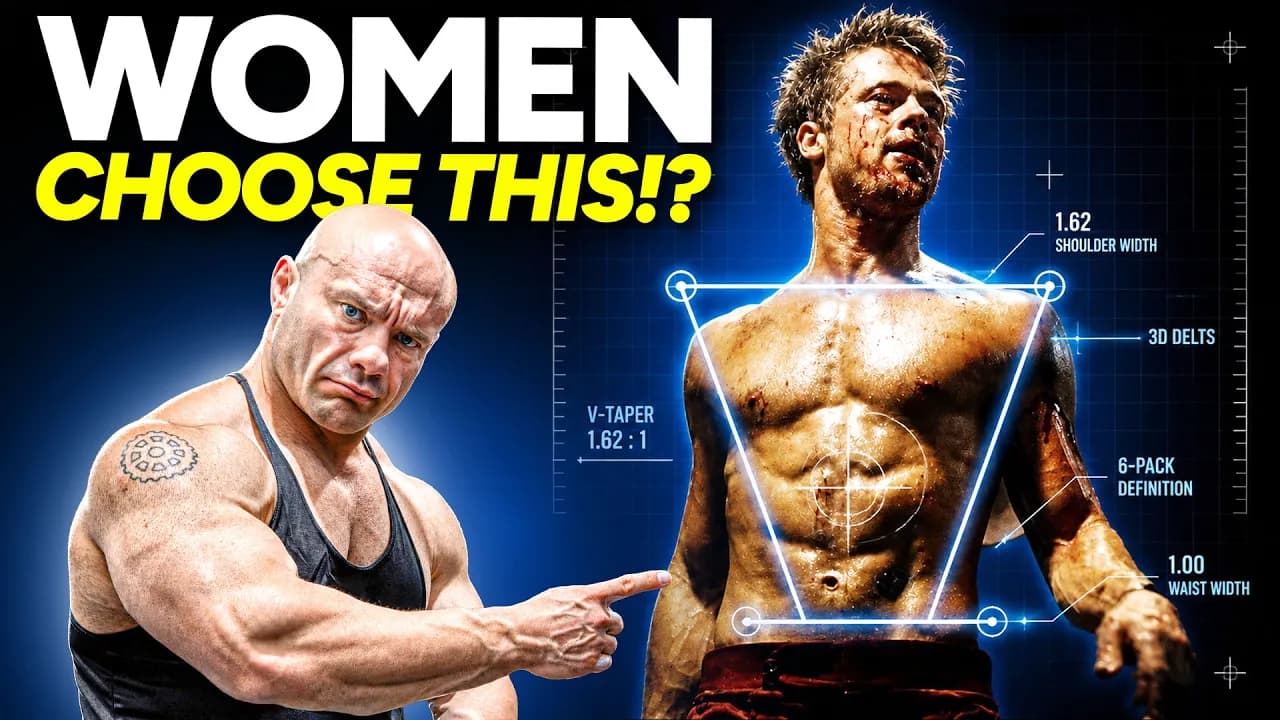
The shoulder-to-waist ratio showed a rough peak of approximately 1.57, meaning shoulders 1.57 times wider than the waist. More extreme ratios did not receive favorable votes. When body fat percentage and shoulder-to-waist ratio were considered together, body fat percentage explained more variance across all three populations. Leanness proved more important than shoulder-to-waist ratio for attractiveness ratings.
In China and Lithuania, shoulder-to-waist ratio did not add much predictive value once body fat percentage was considered. In the United Kingdom, both factors mattered, though body fat percentage remained more important. Males and females rated attractiveness similarly based on body fat, BMI, and shoulder-to-waist ratio, with no statistically significant differences between genders.
People prefer moderate male fatness rather than extremes of fatness or leanness. Adiposity appears to be a more reliable cue for attractiveness than shoulder-to-waist ratios. The optimal BMI matched evolutionary predictions for health and fertility cues. People make attractiveness judgments based on survival, health, and fertility cues rather than simply selecting the most jacked or leanest individuals.
Females appear to prefer males likely to be most fertile and healthy at 13 to 14% body fat. Real-life attractiveness involves multiple factors including face, shape, swag, outfit, speech, and other elements beyond body composition alone.
The study utilized objective DEXA body composition data rather than relying on estimates. Cross-cultural sampling included China, Lithuania, and the United Kingdom, representing Asia, Eastern Europe, and Western Europe. The design separated variables with distinct adiposity levels, BMI ratios, and shoulder-to-waist ratios. Faces were blurred to eliminate attractiveness bias from facial features, height was removed, and images were presented in black and white to control for skin tone effects.
Both male and female raters participated, doubling the participant pool. The researchers tested a specific hypothesis that evolution predicts mid-range BMI as optimal. The sorting task was intuitive and easy for participants to complete.
Only 15 images were used, which cannot represent full body shape variation. External validity concerns exist because participants assessed bodies via DEXA scans rather than real-world conditions. DEXA images show only fat on the sides, missing crucial visual cues from abdominal fat, chest fat, and facial fat. Women value jawline definition, cheekbone visibility, and abdominal/oblique outlines, none of which appear in the DEXA images.
The sample consisted of university students who were younger and more educated than the general population. These were not fitness-oriented individuals. The forced ranking task eliminated ties, potentially exaggerating differences between body fat percentages. Muscularity was not cleanly separated from body fat percentage, making it difficult to isolate whether higher body fat individuals had more muscle mass.
The study lacked clothing, posture, grooming evidence, movement patterns, voice characteristics, status cues, and personality factors. These elements represent approximately 90% of attraction factors not captured in the body composition analysis. The research does not suggest that achieving any specific body fat percentage guarantees optimal attractiveness.
The optimal male body fat percentage for attractiveness appears to be approximately 13%. This aligns with evolutionary predictions for maximum health and muscle anabolism. The 10 to 15% body fat range serves as optimal for bulking, health outcomes, daily energy levels, mental clarity, physical recovery, and attractiveness ratings from both men and women.
After finishing contest prep or a 12-week diet, going to bars and clubs to hit on women is not the best time to approach. The off-season period at 11.5-12.5% body fat is when men are most attractive to women.
Data indicates the average woman peaks at a lean athletic preference around 13% body fat. The perception that 13% is fat comes from fitness industry distortion. Mainstream women do not typically prefer shredded physiques with visible veins and striations.
The attractive male physique is defined by specific visual markers rather than a single body fat percentage:
- Jawline and cheekbones visible
- Waist clearly smaller than shoulders
- No belly overhang
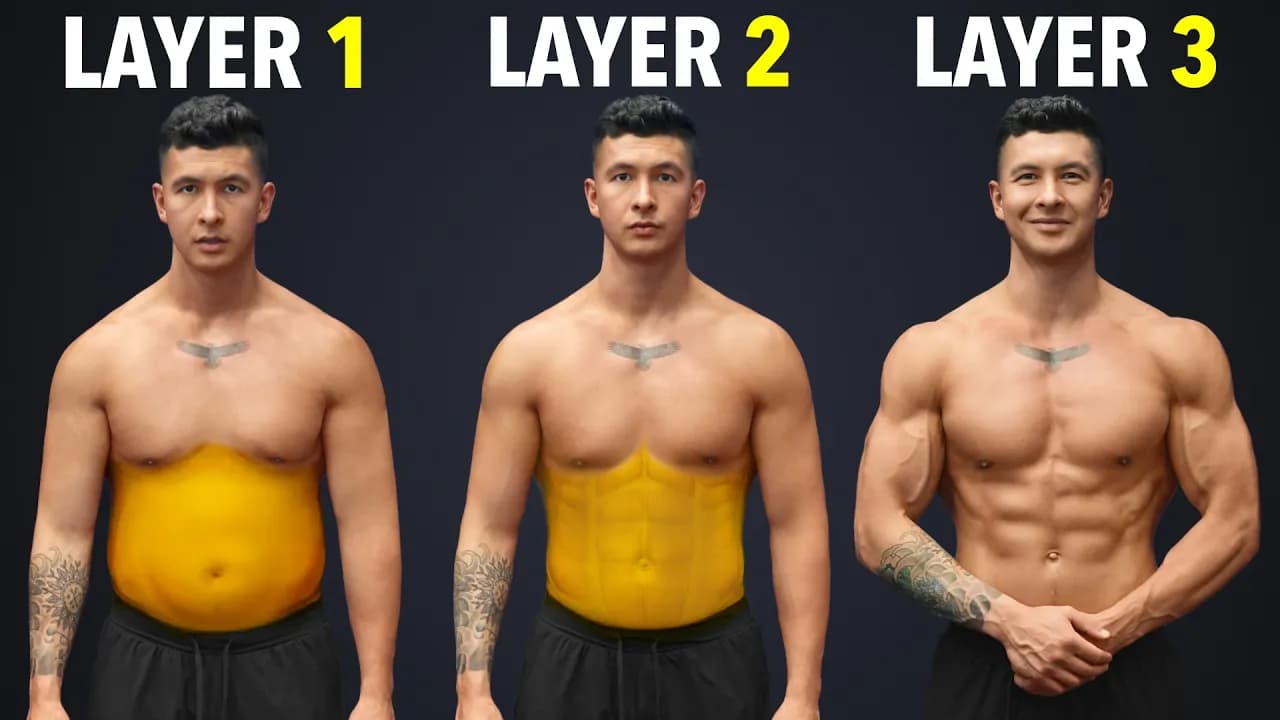
- Some abdominal visibility without the dehydrated competition look
If these boxes are checked, the individual is considered highly attractive regardless of other factors.
For reasonably trained men, the combination of facial definition, waist taper, shoulder-to-waist ratio, and abdominal visibility typically peaks between 10-17% body fat, with the center of mass around 12-15%. Men with genetically fatter faces benefit from dropping closer to 10%, while those with naturally lean faces and good proportions may look better closer to 17%.
Having more muscle shifts the entire attractiveness window upward. Men with greater muscle mass, larger shoulder-to-waist ratios, and thicker abdominal development can maintain attractiveness at higher body fat percentages while remaining visually appealing.
Fat distribution significantly affects required leanness. Individuals who store fat primarily in the midsection must maintain lower body fat percentages to appear presentable, while those whose fat distributes to thighs, buttocks, and arms can maintain attractiveness at higher percentages like 20%.
Dropping into extremely low body fat percentages associated with competition prep tends to reduce average appeal. The resulting appearance can be perceived as wiry, harsh, obsessive, and irritable. This level of leanness primarily appeals only to women specifically attracted to shredded physiques, and even these women often prefer competitors in their off-season state.
Above the high teens in body fat percentage, average attractiveness ratings tend to decline unless the individual possesses significant muscle mass or the woman specifically prefers a softer build. Many women find a moderate "dad bod" appearance attractive.
The practical guideline is to achieve sufficient leanness for facial definition and visible waist taper with broader shoulders. Once these visual markers are present, additional effort should focus on muscle development, style improvement, social skills, and grooming rather than further fat reduction.
The pursuit of extremely low body fat percentages primarily serves other men on Instagram or appeals to a very small fraction of women within the fitness industry. The data-supported target for maximum attractiveness to college-age women centers around 13-14% body fat.
Men above 13-14% body fat seeking increased attractiveness should reduce body fat. Men below this range typically do not need additional leanness for female attraction. Facial fat distribution varies individually, with some requiring lower body fat for facial definition while others maintain attractiveness at higher percentages within the 12-15% range.
Keep Renaissance Periodization in your library
Save the videos and channels worth coming back to, and find them again in one place.