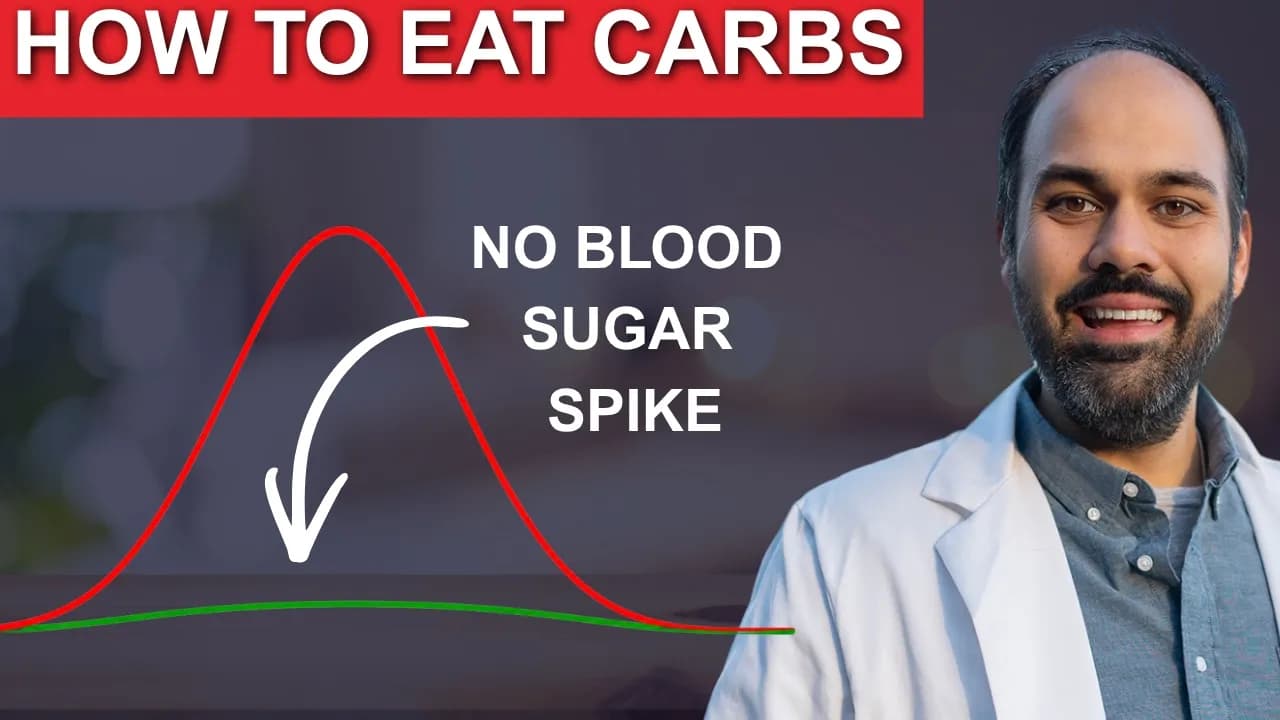
The Scary New Research On Sugar & How They Made You Addicted To It! Jessie Inchauspé
These notes were generated by AI and may contain inaccuracies.
With your diet during pregnancy, you're programming your baby's DNA. This impacts baby's development and future risk of disease. Many pregnant moms eat diets lacking nutrients their baby needs due to the food system and society. Nobody tells moms about this. Created a guide to help parents navigate the food system with easy steps for baby's development. As a biochemist, dove deep into research when pregnant.
90% of moms not getting enough choline during pregnancy. Choline forms baby's brain in the womb. Ate this amount of eggs per week during 9 months of pregnancy for choline.
Baby needs no fructose during pregnancy: no sugar from dessert, chocolate, muffins, cupcakes. High glucose levels during pregnancy program baby's DNA via epigenetic switches towards higher vulnerability to diabetes, obesity, and psychiatric disorders.
This is the amount of protein needed every day in the third trimester. Low protein diets lead to smaller babies and epigenetic programming to stay smaller throughout life.
Created a plan and simple hacks for pregnant moms.
Research on breastfeeding, exercise, caffeine, and recommended supplements for mothers.
Guys, I've got a quick favor to ask you. We're approaching a significant subscriber milestone on this show and roughly 69% of you that listen and love this show haven't yet subscribed... [host's subscription request]
Jesse Inchauspé, the Glucose Goddess. Spent the best part of the last decade on glucose (blood sugar) impacts: spikes and dips cause inflammation, faster aging, cravings, fatigue. Glucose is core to healthy body and mind.
Last spoke almost two years ago. New learning: impact of glucose on mood and relationships.
Fascinating study: married couples given voodoo dolls of spouses, pin every time annoyed. After two weeks, those with most glucose lows had most pins in dolls.
Unsteady glucose impacts tyrosine neurotransmitter managing mood, leading to less stable mood and more annoyance at spouse.
Glucose is body's energy; brain monitors bloodstream levels. Steady glucose is great. Crash signals out of fuel: creates hangry mood, food obsession, bad mood, cravings (e.g., banana, cookie, chocolate). Activates brain's craving center.
In hunter-gatherer times, lows were gradual without big spikes from sugar. Today, quick spikes from sugar cause intense, immediate crashes, dysregulating glucose unnaturally.
Modified foods contribute, even fruit. Ancestral apples/bananas looked different: tiny, seedy, fibrous, less sweet vs. modern juicy, sweeter versions.
Fruit like dogs bred from wolves: human-engineered. Whole fruit has fiber/water slowing sugar absorption, making it okay-ish.
Problem: denaturing fruit (e.g., orange juice) removes fiber, causing big glucose spikes. Oranges invented by cross-breeding.
Orange juice vs. Coca-Cola: same ~25g sugar (glucose/fructose, absorbed identically). WHO: ≤25g sugar/day. One glass hits limit. Myth: OJ healthier due to vitamins. Want OJ gone from school lunches, hospitals. Diabetics drink it thinking it helps.
Sugar releases dopamine (pleasure molecule), confused with energy. Same dopamine from Instagram scrolling.
Dopamine spikes/crashes lead to addiction. Glucose spikes and doom scrolling trigger same brain center; can go hand-in-hand.
Research: more likely to doom scroll during glucose crash due to:
- Energy crisis in prefrontal cortex (willpower/decision-making): dims first, loses executive function, can't resist social media dopamine.
- Dopamine trap.
- Poor emotional regulation.
Higher glucose diet increases compulsive behaviors like scrolling due to less willpower/control, feeling addicted.
Glucose rollercoaster makes sugar addiction compulsive, not choice. Fix underlying spikes/crashes, not just 'eat less sugar'.
Body keeps you hungry until enough protein. Low-protein breakfast (oats, toast, jam) keeps hunger going. Cookie adds no protein. 40g protein satisfies, calms seeking.
DMs: specific foods (lentils okay? 3 eggs/day? vinegar type?), decoding packaging/marketing (zero sugar tea?).
Deceptive labels:
- No added sugars: OJ has 25g natural sugar, still max daily limit.
- Gluten-free, vegan not inherently healthy.
Both males/females: nutrition impacts fertility, sperm/egg quality. Men: reduce alcohol, exercise, eat better for 3 months (sperm turnover). Women: diet/nutrients affect egg quality, first trimester baby supply.
Just gave birth 8 months ago. New book: Nine Months That Counts Forever: How Your Pregnancy Diet Shapes Your Baby's Future.
Big gap between science (decades old) and advice to pregnant women. Felt need to bridge canyon despite pregnancy fatigue. Moms have power: not just 'oven' ('bun in the oven' misleading).
'Bun in oven' implies passive role, no agency, baby set at conception like baking fixed cake. Reality: co-creating baby's plan via diet; different diet = different baby.
Food system/society/food industry marketing pushes processed unhealthy foods linked to diabetes/heart disease. Pregnant moms unknowingly lack baby nutrients.
Researched 2000 papers, meta-analyses: 4 big themes - nutrients most moms lack or overconsume.
Diet programs baby's fixed DNA via epigenetics: dimmer switches activate/silence genes, impacting development/disease risk.
High maternal glucose: epigenetic switches program baby for higher diabetes vulnerability lifelong.
Uterus: where baby develops, grows during pregnancy, stays post-birth.
Conception: sperm meets egg, implants in uterus wall.
Trimesters: 1-3 (months 1-3), 2nd (4-6), 3rd (7-9). Baby grows from 1 cell to 40 trillion cells, ~3-4kg from mom's intake: your baby is what you eat.
1st trimester: baby fed by uterine secretions (milk-like).
2nd/3rd: placenta created, brings mom/baby bloodstreams close for nutrient/waste exchange.
Myth: baby gets what it needs from you. Truth: gets what's available in your blood.
Choline (in egg yolk, ~125mg/egg): forms baby's neurons for memory, learning, attention. Lack causes lifelong deficits (American Academy of Pediatrics). 90% moms deficient.
90% of moms are not getting enough choline during pregnancy because nobody tells them about it and modern diets lack choline-rich foods. Choline is in eggs (four eggs a day provide all needed choline) and organ meats like liver, but people no longer eat liver. Modern foods like cupcakes, dried fruits, burgers, and chips lack choline. Simplest way: eat eggs.
Animal studies depriving moms of choline show baby brain development stops earlier, resulting in fewer neurons at birth. Maternal choline intake impacts child's brain development.
Four is the golden number.
She ate four eggs daily during pregnancy (28 eggs/week for nine months, ~$7/week or $1/day) to provide ~450 mg choline/day for baby's brain formation.
Mothers are told to avoid liver due to high vitamin A, based on older studies linking it to baby issues. Check with doctor; thresholds vary by country. She prefers eggs over liver (which is very high in choline). Choline supplements are an option, but eggs are cheapest/easiest.
Cornell study: One group of moms got minimum 450 mg choline supplements; another got double (900 mg). Tested babies in first year via eye reaction time to screen images (correlates to adult IQ). High-choline moms' babies had 10% faster reaction times.
Breast milk is alive with molecules continuing DNA programming; formula is inert but nutritionally complete. If using formula, check for choline and omega-3s.
2013 Dutch study (Pediatric Research, 120 children): Less breastfeeding linked to silencing of leptin gene (fullness hormone), an epigenetic effect. Shorter breastfeeding deactivates leptin gene, leading to feeling less full after eating.
Baby receives sugar through placenta but needs none (needs little glucose, not fructose from chocolate/cupcakes/dried fruit). UK sugar ration (1940-1953): Pregnant moms limited to 40g sugar/day (10 cubes) vs. 80g (20 cubes) before/after. Study of 60,000 people born just before/after ration end: In-womb low-sugar group had 15% lower lifetime type 2 diabetes risk.
High maternal glucose activates diabetes-related genes epigenetically. WHO recommends 25g sugar/day, but most moms eat 80g (often more than pre-pregnancy due to 'eat for two' myth).
Personal story: At 25, near pre-diabetes; mom in '90s ate low protein/fat, morning orange juice + Special K cereal with 1/2 cup table sugar. Wonders if this epigenetically contributed.
Science shows sugar intake during pregnancy impacts baby's diabetes vulnerability.
Danish study (JAMA): Children of diabetic mothers had 15% higher psychiatric disorder risk (schizophrenia 55% higher, intellectual disability 29% higher), links to autism/ADHD.
2025 review (200 studies, 56 million mother-baby pairs): 25% higher autism risk with maternal diabetes (correlation, not causation; raises prevalence from 1/100 to 1.25/100).
Lancet Diabetes & Endocrinology: Association holds strongly. Theory: High maternal inflammation (from glucose/infection/chemicals) overactivates baby brain microglia (immune cells pruning damaged neurons). Overactive microglia destroy healthy neurons, leading to suboptimal brain formation (250,000 neurons/minute). Explains gestational diabetes-psychiatric disorder link.
Reducing glucose spikes lowers inflammation, benefiting baby brain.
She wore CGM entire pregnancy; useful for 2 weeks to learn spikes. Glucose tested only in third trimester, but first-trimester levels predict gestational diabetes well. Recommend CGM in first trimester or pre-pregnancy.
Diabetes Care study (700 women): First-trimester CGM predicted gestational diabetes at 24-28 weeks. Not random; roots in pre-pregnancy glucose. Gestational diabetes may stem from undetected pre-pregnancy high glucose.
Cutoffs: Non-pregnant fasting >100 mg/dL = pre-diabetes; pregnant >92 mg/dL = gestational diabetes.
Individual spike variation (microbiome, genetics, muscle, hydration, stress, fatigue), e.g., 30 vs. 45 mg/dL spike from honey. But hacks work universally; fasting glucose comparable.
Higher muscle mass protects against gestational diabetes (muscles soak up glucose).
Post-honey: Sitting = big spike/crash; walking = muscles use bloodstream glucose, smaller spike.
Calf raises: Lift heels up/down (contracts soleus muscle, excellent glucose sink). Do 1-5 min post-sweet food.
Cultures walk after dinner for this reason.
Veggies first: Fiber mesh slows glucose absorption (kurite in France: raw veggies meal start).
Move within 90 min post-eating (spike peaks then). Squats (5-10 every 5 min) powerful; targets glutes (big muscles seeking glucose energy).
Standing desks: She oscillates; plans test muffin + 30 min standing vs. sitting (her data shown: standing post-muffin vs. sitting).
Exercise incredibly good for baby development. Favorite animal study: Scientists took two
Scientists took two groups of pregnant rats with identical housing conditions, diet, and lighting. The only difference was one group walked on tiny treadmills for 30 minutes a day during pregnancy. After birth, babies from exercising moms solved mazes twice as fast and had fewer anxiety symptoms. This shows a strong association between maternal exercise and better baby brain outcomes.
The main theory involves BDNF (brain-derived neurotrophic factor), which promotes neuroplasticity and new neuron connections. Exercise increases BDNF in humans, benefiting the brain. In the rats, both moms' and babies' BDNF levels were higher, explaining the impact on brain development. The womb sets up the foundational architecture for the baby's brain, making simple hacks for optimal nutrients crucial.
Plant Metaphor for Pregnancy Nutrition
Both plants came from identical seeds, but one was planted in rocks and gravel with minimal soil, the other in rich fertilized soil. This illustrates that the same seed yields different trees based on soil quality. In pregnancy, the baby is the seed, and the mother's body is the soil co-creating the baby's plan. The baby's DNA is fixed, but nutrients determine if it grows optimally or adapts to suboptimal conditions.
Humans are resilient: even if 90% lack enough choline, 75% lack omega-3s, 70% lack enough protein, or most exceed recommended sugar, the baby will likely be fine but adapt to a sub-optimal environment. Diet shapes the baby's development.
Cometier flash-freezes coffee at its peak taste in frozen ice cubes. Pop out, add hot water, mix. Get $30 off first order at cometier.com/stephven.
To optimize the 'soil' for the baby: focus on choline, stable glucose levels to avoid gestational diabetes, and exercise.
Alcohol
Avoid entirely. Mother's and baby's bloodstreams are connected with no filter. Baby gets the same blood alcohol level. Alcohol harms brains; no safe amount during pregnancy. A University of Melbourne study (February last year) used high-resolution 3D imaging showing even low doses cause facial morphing (changes in eyes/nose shape persisting to age 8) and weaker connections in the right anterior cingulate (critical for emotional regulation and impulse control), even with occasional drinking.
"You wouldn't put red wine in your baby's bottle after birth."
While one glass won't indelibly harm, zero is ideal, like for all adults—no heart benefits from alcohol.
Breastfeeding and Alcohol
More leeway: alcohol in breast milk mirrors bloodstream. After a glass of wine, 2.5-3 hours later, it's cleared from both.
Caffeine
Stay under two cups/day (under 300mg, per WHO; ~3 cups). It reaches baby, increasing womb activity with no benefit. Associations show neutrality at low doses; high doses link to temperament issues. Animal studies: low doses fine, high doses cause smaller offspring, altered heart development, delayed brain growth—but human data lacks long-term trials, and those studies used very high doses. One or two cups likely safe.
Fermented Foods
Early research suggests they seed baby's gut microbiome. Include kefir or sauerkraut if possible.
Bread and Carbs
Bread is mostly glucose. Baby needs ~70g extra glucose/day in third trimester for development/energy (first/second trimesters: no extra needed). Equals ~3 slices bread or 1.5 cups rice. Prefer seed-filled bread, but little difference vs. white—both glucose.
Glucose (from starches: bread, pasta, rice, potatoes, oats) vs. sugars (sweet foods with fructose + glucose). Baby needs zero fructose (no desserts, chocolate, muffins, cupcakes). Get glucose from starches or whole fruit (fiber/water blunts fructose spike).
Ketogenic Diet
Insufficient evidence; rare. Baby needs glucose, so easier from starches. G1D Foundation: strict keto dangerous for 99% of pregnancies; recommend low-glycemic index diet instead. Low-GI reduces spikes, helps gestational diabetes (less medication), and gives baby steady glucose (hills vs. spikes) to minimize inflammation impacting brain.
Took omega-3s (esp. DHA for neuron connections). Animal studies: restricting maternal DHA impairs efficiency, maze-solving. Easiest: fatty fish 2-3x/week (e.g., 3 cans sardines $6-7/week). Pair with eggs for choline ($7/week). Supplemented 2g DHA/day + fish 3x/week, as most moms lack enough.
Third trimester: iron (levels dropped despite meat). Prenatal with choline and methylated folate (better absorbed; prevents miscarriage).
Sardine recipe: mash with mustard, sea salt, feta, herbs; top toasted bread.
First pregnancy (Feb 2024): silent miscarriage discovered at 3-month scan—embryo stopped developing, body didn't expel it. Walked around unaware for a month. Devastating: screamed, fell to floor, begged universe, felt anger, despair, injustice (had done everything right: choline, supplements, no smoking). One of life's hardest experiences.
Common: 1 in 5 pregnancies, mostly first trimester (can be later). Taboo; many hadn't shared. Announced early to 50 people, had to retract—complicated but reduced isolation. Second pregnancy Aug 2024, son born May 2025; anxious due to grief.
Wish family (mom, grandmother) had shared their miscarriages—would've prepared her, reduced 'why me?' (often chromosomal; not user's fault).
Higher baseline happiness; filled prior melancholy. Super-efficient: uses every minute (pre-motherhood 'busyness' was illusion).
Parents' diets (e.g., mom's high sugar from low-fat era) aren't their fault—cultural/food marketing influence. Pregnancy impacts vulnerability, but not everything. At 25, speaker was pre-diabetic cusp; glucose hacks prevented it. Analogy: two friends same workout/diet—one builds muscle easily, other harder—but both can. Same for disease: apply changes to alter trajectory, regardless of starting vulnerability. Always have agency.
Cravings are where it all begins. You can know everything, but...
People know about sugar's effects but struggle with the brain's voice urging them to eat tasty things, followed by guilt. There are two voices: one of pleasure ("that cookie looks really good") and one of addiction/control ("I need sugar right now, whatever is there"). The goal is to shift from addiction voice to enjoyment voice, where cravings are optional, not controlling.
Balance glucose levels to make cravings come from happiness, not crashes:
- Protein in the morning, savory breakfast.
- Veggie starter before lunch and dinner.
- Avoid sugar on empty stomach to prevent blood sugar rollercoaster and intensified cravings.
Enjoying something delicious with awareness (e.g., planning calf raises after) is fine, unlike being controlled. Late-night eating (e.g., 10 p.m.) leads to regret due to disrupted sleep and next-day effects. Sometimes give in—it's life—but feeling next day shows it wasn't worth it. Hacks like vinegar or nuts before, or movement after, can mitigate spikes and improve deep sleep.
Sleep deprivation reduces craving control. Waking at 3-4 a.m. hungry after late dinner (e.g., 9 p.m.) may indicate glucose crash waking you. Test with glucose monitor. Good sleep allows skipping breakfast (e.g., sardines at 2 p.m. without morning hunger).
Sleep deprivation causes hormone imbalance:
- Ghrelin (hunger hormone) increases ~15% after 5 hours sleep (Stanford studies).
- Leptin (satiety hormone) decreases ~15%. Result: brain gets strong "starving" signal and weak "full" signal. Early breastfeeding epigenetically sets higher leptin production for life.
Baby at birth is ~50% protein (excluding water)—builds immune system, skin, organs, signaling molecules. Pregnant women need more protein. Animal studies: slight maternal protein restriction triggers epigenetic switch programming baby for small muscles, assuming scarce protein world post-birth.
Pregnancy diet sends "postcard" to baby about available nutrients. Third trimester: ~1.6g protein per kg body weight daily. Example daily intake:
- 4 eggs morning (~30g protein).
- Fish lunch, meat/chicken dinner, high-protein snack (e.g., Greek yogurt + whey protein)—equivalent to 4 chicken breasts/day.
Most fall short; no one tells moms. Result: moms lose muscle mass (broken down for baby), but can't fully compensate—leads to smaller babies, potential lifelong smaller muscle mass.
Not recommended—block hunger signals. Pregnancy requires eating more calories/quantity, differently (focus protein, choline, omega-3s). Dangerous to suppress appetite then.
Vinegar hack okay if pasteurized (check label; apple cider vinegar usually not). Reduces glucose spike before treats, but ideal: minimal sugar during pregnancy for baby's development.
No true "obesity gene"—predisposition from mom's pregnancy diet. Animal studies: high maternal sugar flips epigenetic switches promoting fat storage in baby. Baby converts excess sugar to fat for protection. Human studies (tens of thousands moms): higher maternal glucose = baby born with more fat mass, higher obesity risk as child/teen/adult. Cycle perpetuates post-birth.
Ancestors ate nutrient-rich organ meats (not just muscle like chicken breast). No processed foods. Today's ultra-processed foods deprive nutrition, including pregnant moms. Book navigates toxic landscape with 4 simple steps (trimester-by-trimester) for optimal baby nutrition. Pregnancy brings innate pressure amid conflicting advice—book provides science to reduce guilt/stress for healthy babies.
Stress impacts child health. Speaker was extremely stressed entire pregnancy due to prior miscarriage—tried yoga, breathwork, workouts, therapy, but remained anxious. Baby healthy anyway.
Check ingredients list first (ordered by weight):
- First 5 include sugar/dates/fruit juice/molasses/orange syrup? = Dessert/enjoyment food.
- Example: sardines (sardine, olive oil, salt)—no sugar, not dessert (avoid "natural flavor" if possible).
Carbs/sugars useful (shows glucose impact), especially vs. keto background. Ratio matters: carbs + protein = smaller spike. Calories misleading—avocado vs. donut (both 200 cal) have vastly different effects (steady glucose vs. spike/inflammation/crash). Focus molecules, not calories/pages.
No fasting. Breakfast: eggs (current: bacon-egg quesadilla) + coffee w/ whole milk. Lunch: veggie starter if carb-heavy, or collard green chicken wrap w/ avocado/peppers. Post-lunch sweet (chocolate/cookie) + movement. Dinner: carbs (rice/pasta) early as possible (~7:30-8 p.m. post-baby bedtime) for coziness; vinegar on veggie starter if no veggies.
Mental health packs (glucose link sparked interest). New content.
Closing
Question: To make world better? Outlaw food marketing/sugary breakfast foods mimicking health; ban health claims (no added sugars/vegan/gluten-free); no fruit juice in schools.
Book message: Pregnancy/food system complicated/toxic—simple 4-step trimester plan (low-cost) for best baby foundation. Legislation: support system around...
The most important aspect is the support system around moms to make it easy for them to eat eggs, sardines, vegetables, and healthy fats. Society must support moms because they create the next generation, and they cannot change the food industry alone. Things need to shift to make it easier for them.
Education is crucial. For example, 90% of moms are not getting enough choline, and surveys show only 6% of doctors discuss choline with moms during pregnancy. There is a significant information gap. Systems are broken in multiple areas—perhaps doctors focus on short-term emergency issues or lack time for nutrition talks. This book aims to fill that gap. Ideally, prescribe Nine Months That Count Forever as a simple nutrition guide to every parent who gets pregnant.
People close to the speaker who are pregnant often rely on vague conversations that feel like horoscopes or guessing. There is overwhelming and conflicting information available. This book demystifies pregnancy nutrition, based on scientific consensus, facts, and studies rather than personal experience alone.
It is succinct, breaks things down stage by stage, and makes complex topics accessible without needing definitions for complicated words. Highly recommend as a gift for someone who just found out they are pregnant, or for couples going through pregnancy or planning one soon. Also ideal for grandparents-to-be to buy for their kids who are having a baby.
Amen, Jesse.
Thank you for having me back. Always a pleasure.
Keep The Diary Of A CEO in your library
Save the videos and channels worth coming back to, and find them again in one place.