We Found the Body Parts Lifters Secretly Neglect (Millions of Workouts Analyzed!)
In a Nutshell
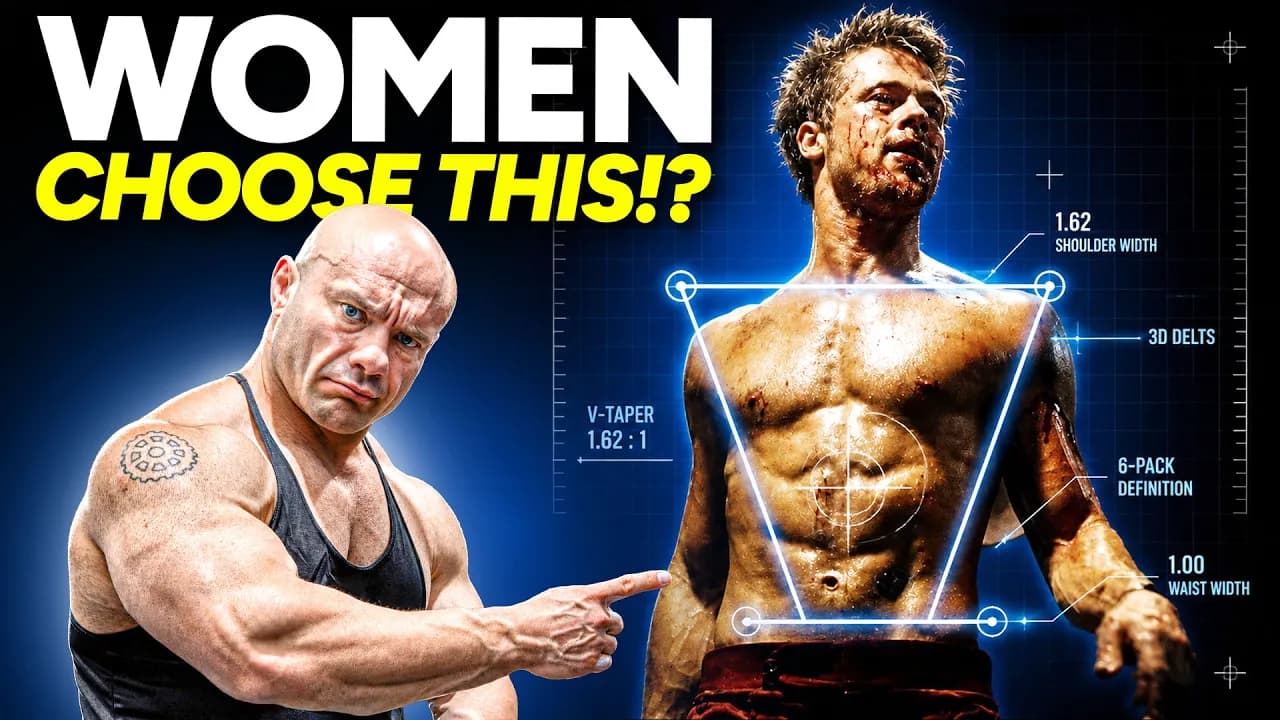
Analysis of 231,741 mesocycles reveals men prioritize upper body muscles (chest 64.5%, back 61.3%, biceps/triceps/delts ~60%) while neglecting legs, whereas women prioritize glutes (75.1%), quads (70%), and hamstrings (69.7%) while de-emphasizing chest (16.6%). Men train legs and abs roughly one-third as often as upper body, and women show the reverse pattern. These preferences align with evolutionary psychology signals and research findings that men train upper body more than legs while women focus on lower body development.
These notes were generated by AI and may contain inaccuracies.
People often claim certain muscle group priorities that differ from their actual training behavior. The RP Hypertrophy app provides actual data from 231,741 total mesocycles analyzed, including 203,086 male mesocycles and 28,655 female mesocycles.
When selecting muscle priorities in the app, users choose from emphasize, grow, or maintain options. Chest ranks as the most prioritized muscle group for men at 64.5% emphasis. The next four muscle groups show nearly identical emphasis: back at 61.3%, with biceps, triceps, and delts filling ranks two through four, all in the mid-60s percentage range.
The pattern shows upper body emphasis dominates for men, with all major upper body muscles receiving roughly equal attention. Forearms drop significantly to rank six at 29.4% emphasis, creating a gap with no muscles between 61% and 29% emphasis percentages.
Forearms outrank every lower body muscle despite being a minor upper body muscle. Quads rank seventh at 22.2% emphasis, hamstrings rank tenth at 18.8% emphasis, with abs and glutes filling ranks eight and nine. Calves and traps receive minimal emphasis at 15.7% and 10% respectively.
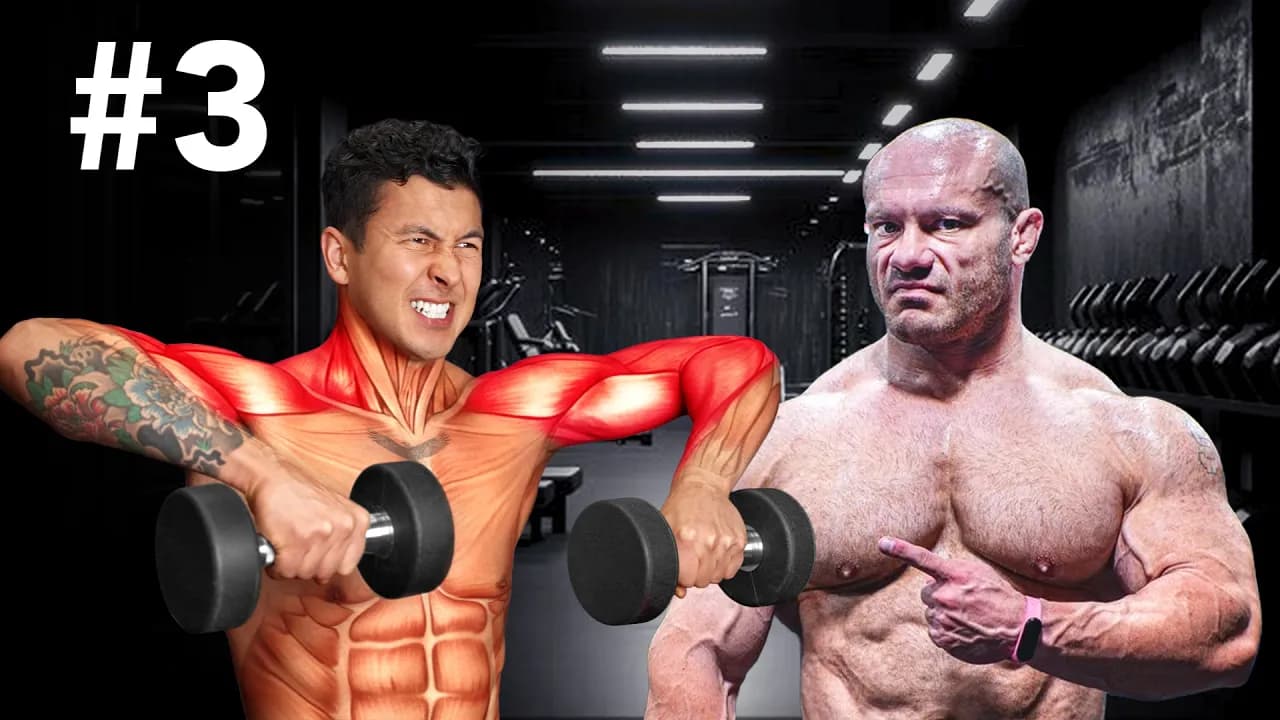
Men prioritize legs and abs approximately one-third as often as chest, back, delts, and arms. Trap training receives criticism since delts, back, and leg training already provide substantial trap stimulus through exercises like stiff-legged deadlifts, leg presses with handle grabbing, dumbbell lunges with Bulgarians, and proper retraction on high bar squats.
Women emphasize glutes most at 75.1%, followed closely by quads at 70% and hamstrings at 69.7%. This creates a lower body cluster significantly ahead of the next muscle group, abs, which ranks fourth at 43.5% emphasis. The gap between hamstrings at rank three and abs at rank four represents a substantial difference in emphasis.
Women show leg-focused training priorities, with calves ranking fifth at 30.4% emphasis. The upper body cluster includes shoulders, biceps, and back, followed by triceps at rank nine with 23.9% emphasis. Chest ranks tenth at 16.6% emphasis, lower than expected. Forearms and traps receive minimal emphasis at 4.1% and 2.1% respectively.
Published research on lifter muscle priorities remains limited. A 1997 study by Mealey found men trained upper body significantly more than legs. A 2026 study by Baz Valatal showed back receiving 15-17 sets per week, chest and shoulders at 12 sets per week, quads at 10 sets per week, and hamstrings lowest at 8 sets per week.
De Silva and colleagues' research on physique athletes confirmed men perform more upper body work, especially chest and back, while women focus on lower body exercises including squats, hamstring curls, stiff-legged deadlifts, and hip adductions.
Male preference for upper body development may reflect signaling for strength and dominance. Female preference for lower body development may signal health and capability, with the waist-to-hip ratio indicating fertility. Males have naturally bigger and stronger upper bodies, while females have relatively similar leg strength to body weight ratios compared to males.
Both sexes appear to amplify existing genetic differences through training choices. Cultural influences likely play a role, but evolutionary psychology appears to drive the primary patterns observed across multiple data sets.
These patterns represent trends rather than requirements. Many men prioritize leg, glute, calf, and ab training, while many women focus on chest, back, arm, shoulder, trap, and forearm development. The data shows both approaches occur within normal variation.
Most men still train legs and most women still train upper body, though they emphasize these areas less than their primary priorities. Occasional emphasis mesocycles on undertrained muscle groups may provide beneficial variety without requiring fundamental program changes.
Training should align with individual aesthetic goals rather than conforming to statistical averages. The RP Hypertrophy app data represents evidence-based hypertrophy-focused users, though patterns align with broader research findings across different populations.
Keep Renaissance Periodization in your library
Save the videos and channels worth coming back to, and find them again in one place.