What Carnivore Is Actually Doing Inside Your Body & Organs!
In a Nutshell
Carnivore diet rapidly reverses fatty liver, systemic inflammation, and insulin resistance by eliminating carbohydrates and plant toxins. It restores optimal hormone function, reprograms addictive neural pathways, and shifts mitochondria to efficient ketone metabolism. Less frequent eating triggers deep ketosis, autophagy, and cellular repair that standard diets cannot achieve.
These notes were generated by AI and may contain inaccuracies.
The video examines the biological effects of a carnivore diet beyond simple weight loss. The speaker argues that many health improvements attributed to weight reduction alone are incomplete explanations, as multiple distinct physiological changes occur.
Fatty liver disease affects most people without their knowledge, and standard medical visits rarely test for it. The liver functions as the body's filter and responds rapidly to carbohydrate elimination. Dr. Rob Cywes has observed fatty liver healing in surgical patients within one week of carbohydrate removal. Non-alcoholic steatohepatitis can be reversed in two to three days without carbohydrate intake. Environmental factors including petroleum-based food dyes, glyphosate, chemicals, and airborne toxins contribute to liver stress alongside dietary sugar overload.
Hormonal dysregulation affects populations worldwide. In the United States, fat and meat have been demonized, leading people to consume low-fat chicken breasts and salads. India shows predominantly plant-based diets alongside widespread fertility and mental health problems. Both issues connect directly to hormonal function. On carnivore, fatty meat consumption allows hormones to return to their naturally intended state. The speaker's personal bloodwork showed testosterone levels doubled after adopting carnivore. Sleep quality improved rapidly, the immune system strengthened, and mental health and mood stabilized. These changes reflect restoration rather than external fixes.
Inflammation and insulin resistance precede major health conditions including mental health disorders, depression, anxiety, heart disease, type 2 diabetes, dementia, Alzheimer's, and cancer. Current populations experience systemic inflammation that is ancestrally inappropriate and historically unprecedented. Plants contain defense mechanisms that damage tissues and trigger inflammation. Additional sources include glyphosate, pesticides, chemicals on produce, and processed foods. Many people report joint and back pain disappearing within three days of starting carnivore as inflammation resolves.
The brain requires substantial energy and seeks shortcuts when fueled by an inappropriate diet. Carbohydrate addiction creates entrenched neural pathways that function as routines and patterns of least resistance. These pathways maintain addiction cycles, negative self-talk, rumination, and sleep disruption. Carnivore eliminates the glucose, fructose, and sugar addiction through abstention. Without these triggers, new neural pathways form. The absence of inflammation combined with stable energy allows the brain to rewire. Old pathways resemble deep ruts that automatically capture behavior; carnivore enables creation of new pathways supporting gratitude, freedom from addiction, and healthier thought patterns.
Studies indicate that eating less frequently correlates with increased longevity. Research referenced by Harvard professor David Sinclair emphasizes meal frequency over specific food content as a longevity marker. Carnivore naturally produces satiety because meat supplies complete nutrients, minerals, and energy in proper proportions. Most adherents eat once or twice daily. This pattern reduces repeated stress on the digestive system and liver. Excess energy becomes available when the body is not constantly processing food.
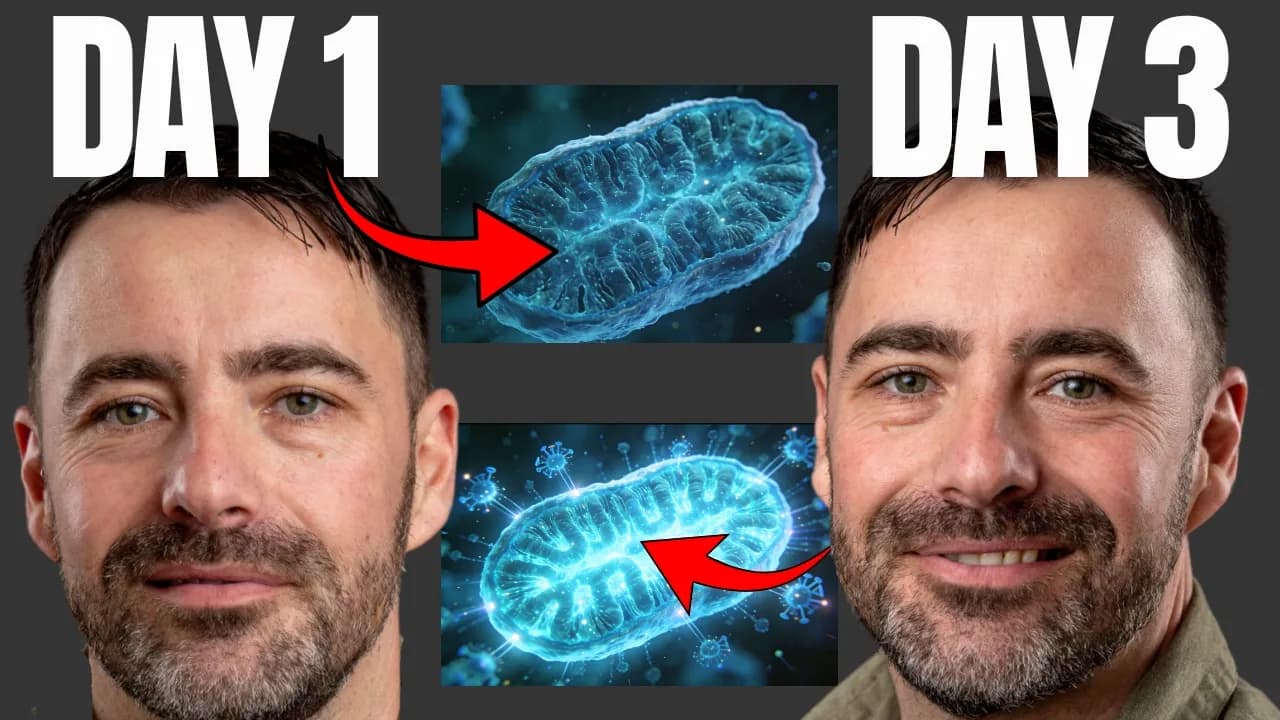
Carnivore induces ketosis. The heart and brain prefer ketones over glucose as fuel. Mitochondria, the cellular powerhouses, thrive when powered by ketones rather than glucose. Most people have mitochondria running on glucose from carbohydrates for decades, resulting in inefficient energy production analogous to an engine with contaminated fuel firing on only two of eight cylinders. Switching to ketones allows full function across all cylinders with optimal efficiency. Some long-term carnivore eaters fail to utilize ketones because they eat too frequently or maintain improper fat-to-protein ratios, causing continued glucose production through gluconeogenesis.
Deep therapeutic ketosis enables true healing. Professor Thomas Seyfried recommends this state for cancer patients. Dr. Georgia Ede, a Harvard-trained psychiatrist, recommends it for severe mental health conditions including depression, anxiety, and bipolar disorder, as well as for seizure management. In this state, autophagy and mitophagy activate. Autophagy recycles cellular components; the body breaks down zombie or precancerous cells and reuses their building blocks. Stem cell formation occurs. Healing stalls despite strict carnivore adherence often result from mitochondria not switching to ketone utilization, frequently due to eating frequency, fat-to-protein ratios, exercise levels, or stress.
Carnivore produces effects beyond calorie restriction and weight loss. Key outcomes include liver health restoration, inflammation elimination, insulin resistance reversal, autophagy, mitophagy, hormone regulation, and return to an ancestrally appropriate metabolic state. These processes cannot occur through plant consumption because critical components required for human physiology are absent.
Keep HomeSteadHow in your library
Save the videos and channels worth coming back to, and find them again in one place.