What Happens When You Stop Eating After 6PM
In a Nutshell
Eating after 6PM halts autophagy (cellular repair that combats aging and disease), disrupts melatonin and sleep, spikes cortisol, causes digestive issues like bloating, and triggers next-day blood sugar crashes and cravings from dopamine-driven "hunger." Stop late-night eating by removing snacks from home, closing the kitchen after 6PM (signs, brush teeth, no visible food), and grocery shopping strictly from the perimeter with a list to avoid addictive junk. This enables overnight fat burning, better recovery, and longevity benefits, similar to intermittent fasting.
These notes were generated by AI and may contain inaccuracies.
Eating past 6:00 p.m. turns off the body's repair system. Many people focus on what they eat but not when they eat. You can eat perfectly clean, healthy, whole food, avoid sugar and junk food, and still mess up your metabolism every night. Food is not just fuel; it's a timing signal. Eating tells the body it's daytime: stay alert, store energy. At night, the body should be in repair mode, but late-night eating sends the wrong message.
At night, autophagy occurs, a deep cleaning where the body turns damaged mitochondria into normal cells. Damaged mitochondria are behind every chronic disease. Autophagy removes things causing inflammation and unnecessary aging. Autophagy activates only when insulin is low, but eating raises insulin. This is why not eating past 6:00 is crucial. Meal timing affects aging and can help you live longer; late-night eating steals this benefit.
Eating late at night or grazing is among the worst habits, not just for lacking repair but also for disrupting melatonin, the hormone that helps you feel tired and sleep. Late-night eating interrupts sleep onset and maintenance. It also affects digestion, causing bloating. The speaker ate constantly after dinner until bedtime for years, experiencing bloating and acid reflux. Waking up feels crappy, groggy, tired, with digestive issues, increasing cortisol, the stress hormone.
Cortisol should be lowest at 2:00 a.m. Eating after 6:00 raises cortisol, throws off stress levels, affects next-day blood sugar, causing cravings for sweets and high-low blood sugar swings. When addressing blood sugar issues, eating past 6:00 was at the top of the list of previous-day habits.
Most people are not truly hungry at night; it's dopamine hunger. Dopamine, a neurotransmitter, drives wanting to snack when stressed, bored, or tired, even when stuffed after dinner. It prompts craving sweet, salty, or crunchy foods—not steak and eggs. Unaddressed, this affects fat burning, inflammation reduction, and digestion, especially bloating.
Change your environment:
- Remove snacks from kitchen, refrigerator, cupboards, pantry. Get them out of the house (hard rule). If family won't allow, put snack foods in containers up high or in the garage to add friction.
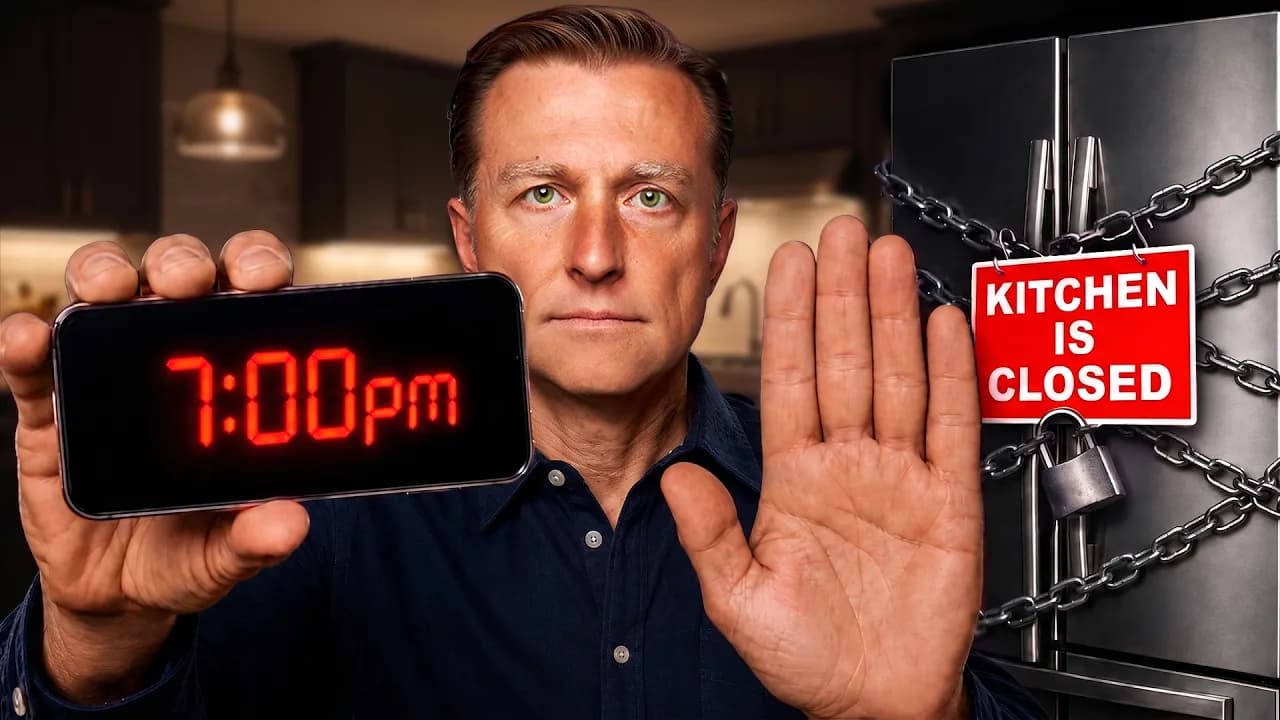
- After 6:00, turn off kitchen lights, post a sign: "Kitchen is closed. Feeding time is done."
- Brush teeth to signal done eating; minty freshness discourages eating.
- No visible food: remove bowls of candies, snacks, nuts. Store in refrigerator or pantry.
- Avoid "just one little bite," as it nullifies results, especially during sleep.
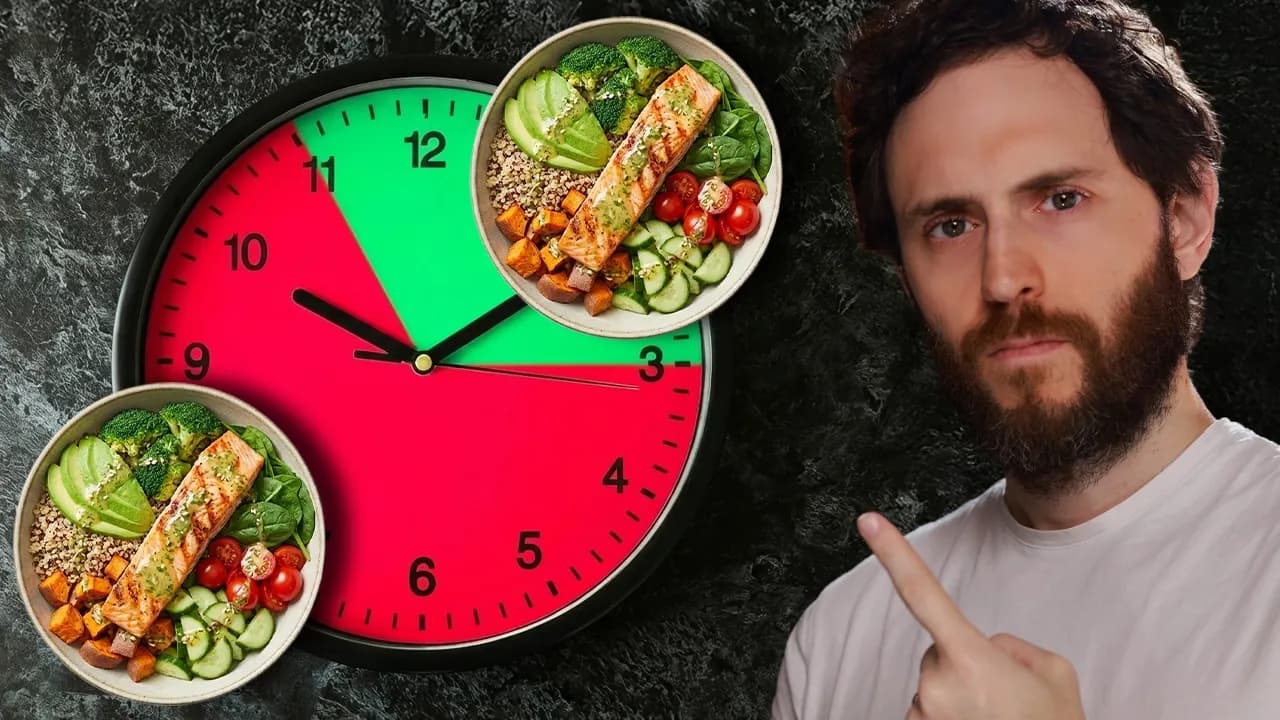
Go from 6:00 p.m. until next day with no food (water, tea okay) to enable autophagy, improving sleep, fat burning, recovery, cortisol, digestion.
At grocery store, use a list, stick to perimeter foods, avoid middle aisles with junk food. Get in, get out. This prevents bringing temptations home, lessening choices. Junk foods share three common ingredients: sugar, starch, seed oils, engineered for addiction. No true freedom of choice in stores.
For details on intermittent fasting, check the linked video.
Keep Dr. Eric Berg DC in your library
Save the videos and channels worth coming back to, and find them again in one place.