If You Eat Before Bed, You Need To Watch This Video (WARNING)
In a Nutshell
Stop eating three hours before bed so insulin stays low and doesn't blunt the big growth hormone surge that occurs in the first 90 minutes of deep sleep. This single change drives fat burning, muscle repair, collagen production, and better recovery. Close the kitchen by your cutoff time, eat a final meal with enough protein, fat, and salt to prevent cravings, and preload sodium earlier in the day to curb late-night snacking.
These notes were generated by AI and may contain inaccuracies.
The speaker stopped eating three hours before bed because the first 90 minutes after falling asleep triggers the single biggest hormonal event of the day. A snack before bed can shut down that event by 78%. The hormone involved is growth hormone, which mostly spikes during the first 90 minutes of deep delta wave sleep.
Growth hormone is released by the pituitary gland in the brain. The trigger is sleep itself, not a specific clock time. The common advice of not eating after 8:00 p.m. or 6:00 p.m. is incorrect because the clock is not the trigger—sleep is the trigger. If someone goes to bed at midnight, the critical window begins 90 minutes later. The speaker goes to bed at 10:00 while their wife goes to bed at 9:00, illustrating that timing must be based on individual sleep schedules.
It is important not to eat anything sugary within three hours of bedtime. The speaker describes being the "poster child for snacking late at night," eating constantly after dinner until going to bed. They used to work at a theater and would bring home a garbage bag filled with salty popcorn for nighttime consumption with their father.
When the speaker mentions sugar, they are referring to the hormone sugar activates: insulin. Insulin severely stresses and suppresses growth hormone. Growth hormone causes fat burning, builds muscle, repairs skin and collagen (which makes up connective tissue), supports bone growth, and aids recovery after exercise. At night during sleep is when the body does most of its building and repair. Exercise breaks down muscles during the day, but the benefits occur at night during sleep if insulin levels are not too high.
Growth hormone also supports the immune system and neurons. It helps build gray matter in cases of brain damage.
Research shows the effect relates to insulin rather than a complete ban on eating after dinner. Protein and vegetables do not trigger insulin significantly. Most insulin response occurs from sugary meals and starches. Anything that triggers insulin will blunt growth hormone.
Deep sleep is required to wake up feeling refreshed. Without deep sleep, people wake up groggy, experience reduced cognitive function, and crave the wrong foods. Insulin can negatively affect the deep delta wave of sleep.
The body operates on 10 signals including insulin, cortisol, inflammation, sleep quality, and gut function. Each affects how a person feels, but one signal is usually more broken than the rest. Until that primary signal is fixed, everything else stays stuck. The speaker promotes a free two-minute quiz (link in description) to identify which signal is holding the body back.
A 24-hour fast can cause growth hormone to increase up to 5x during sleep. High-intensity interval training, weight lifting, explosive sprinting, and plyometric exercises also enhance growth hormone release—the higher the intensity, the greater the spike. A five-day fast doubles the pulse frequency of the growth hormone spike, resulting in two spikes instead of one.
Melatonin, activated by darkness, helps initiate sleep and also reduces insulin release from the pancreas. Eating late increases insulin, which in turn can impair melatonin function, making it harder to fall asleep after a sugary meal.
60% of adults snack at 8:00 p.m. 44% of people eat in bed at night while watching TV. 58% of people aged 18-24 snack regularly. A Harvard study found people are hardwired to get hungry at 8:00 p.m.
If finished eating at 7:00, place a sign on the refrigerator stating "the kitchen is closed." Many late-night cravings for salty, crunchy foods stem from low sodium intake. An average person needs almost a teaspoon of sea salt daily. Preload sodium by adding it to the first meal of the day and mixing it into electrolyte powder during the early part of the day.
If sodium is low, salty snack cravings increase and falling asleep becomes more difficult because sodium helps reduce cortisol. Instead of eating salty snacks, consume a small amount of salt with water in the evening or place salt directly in the mouth and drink water. The speaker reports sleeping much better after doing this.
Blood pressure concerns related to salt often indicate low potassium. Increase potassium via electrolyte powder during the day (not before bed, as it pushes out fluid). Add sea salt more at night. People with a history of high sugar consumption often have fluid retention. When cutting out sugary meals, increased urination is normal as the body releases excess fluid retained by carbohydrates.
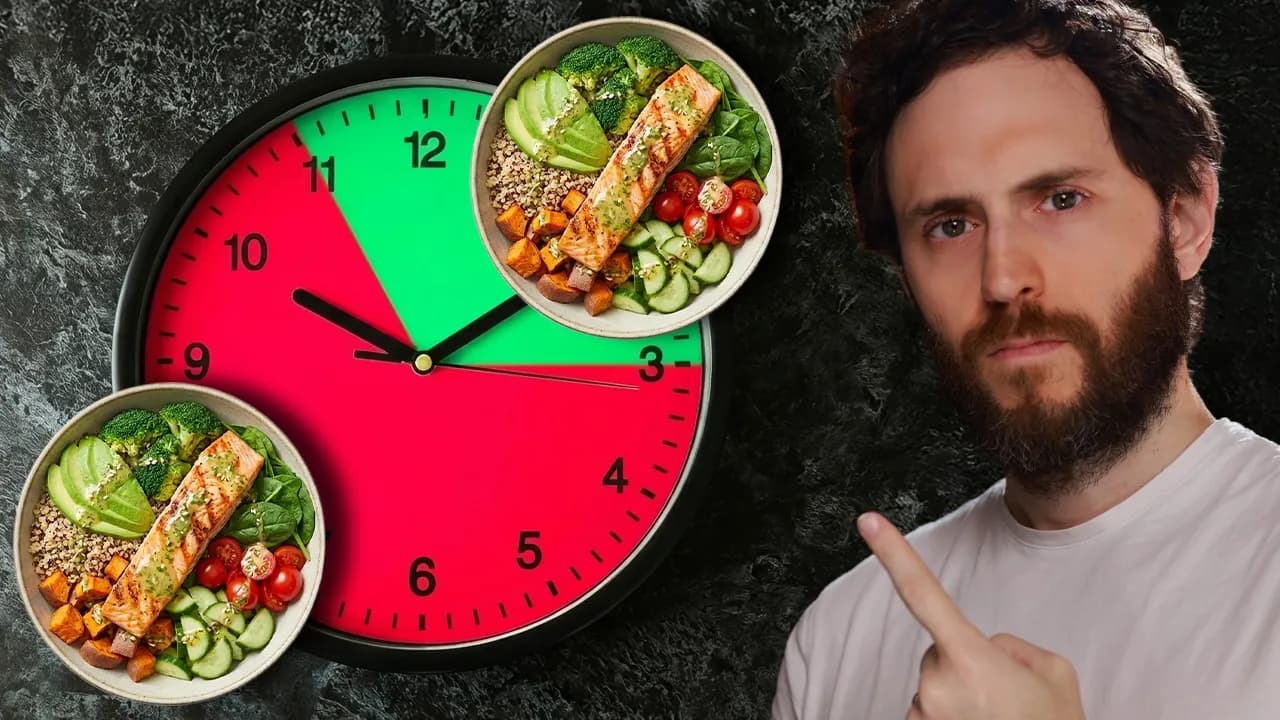
Deduct three hours from bedtime to determine the last meal time—this is when the kitchen closes and snacking should stop. The last meal should be nutrient-dense, contain enough salt, and include sufficient fat and protein so hunger does not occur at night. Many people eat out of boredom and stress rather than true hunger. This habit change is described as producing the most health benefits compared to other possible changes.
Keep Dr. Eric Berg DC in your library
Save the videos and channels worth coming back to, and find them again in one place.