Why labeling mass shooters as "monsters" could hurt efforts to stop them
In a Nutshell
Labeling mass shooters as "monsters" hinders prevention by fostering denial of warning signs in everyday people like classmates or family, ignoring their pathways rooted in early trauma, abuse, bullying, online radicalization, and parental negligence like providing firearms. Cases like the convictions of parents in the Oxford High School and Apalachee High School shootings highlight growing accountability for adults who ignore mental health cries for help. Prevention requires early trauma screening, school crisis intervention, mental health support, suicide prevention, guiding youth in online spaces, and holding social media accountable.
These notes were generated by AI and may contain inaccuracies.
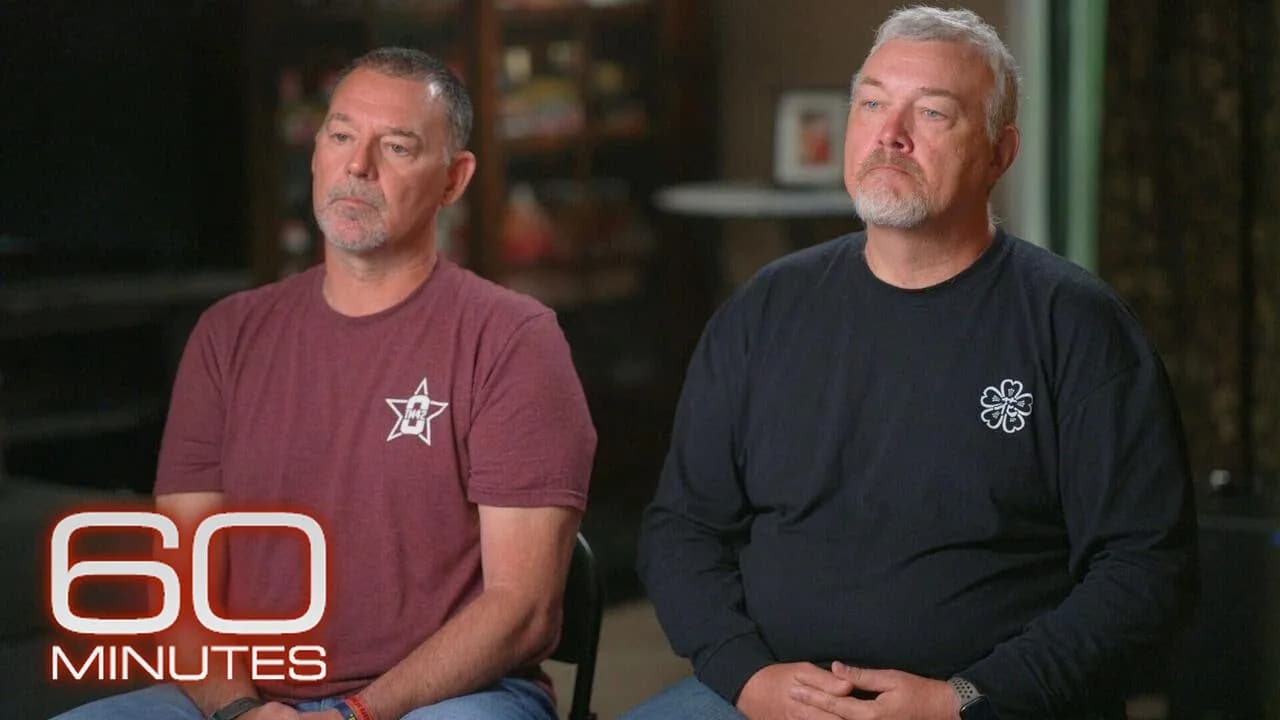
60 Minutes overtime examines who should be held accountable for mass school shootings in the United States. For the past two weeks, this question has played out in a courtroom in Barrow County, Georgia.
This case is about this defendant and his actions.
Prosecutors have charged Colin Gray, the father of a 14-year-old accused of carrying out a deadly shooting at Apalachee High School in 2024, killing four people. Prosecutors say Colin Gray ignored warning signs about his son's mental health and bought his son an AR-style rifle used in the attack.
He should have known his son would, not could, that his son would harm someone.
This case is the latest attempt to hold a parent responsible for a child's school shooting. The approach drew national attention in 2024 after the parents of the shooter at Oxford High School in Michigan were each convicted and sentenced to at least 10 years in prison.
The guidelines do not take into account the complete lack of insight both defendants have for their behavior to this very day.
In both the Georgia and Michigan cases, investigators say there were warning signs from the shooter well before the crime.
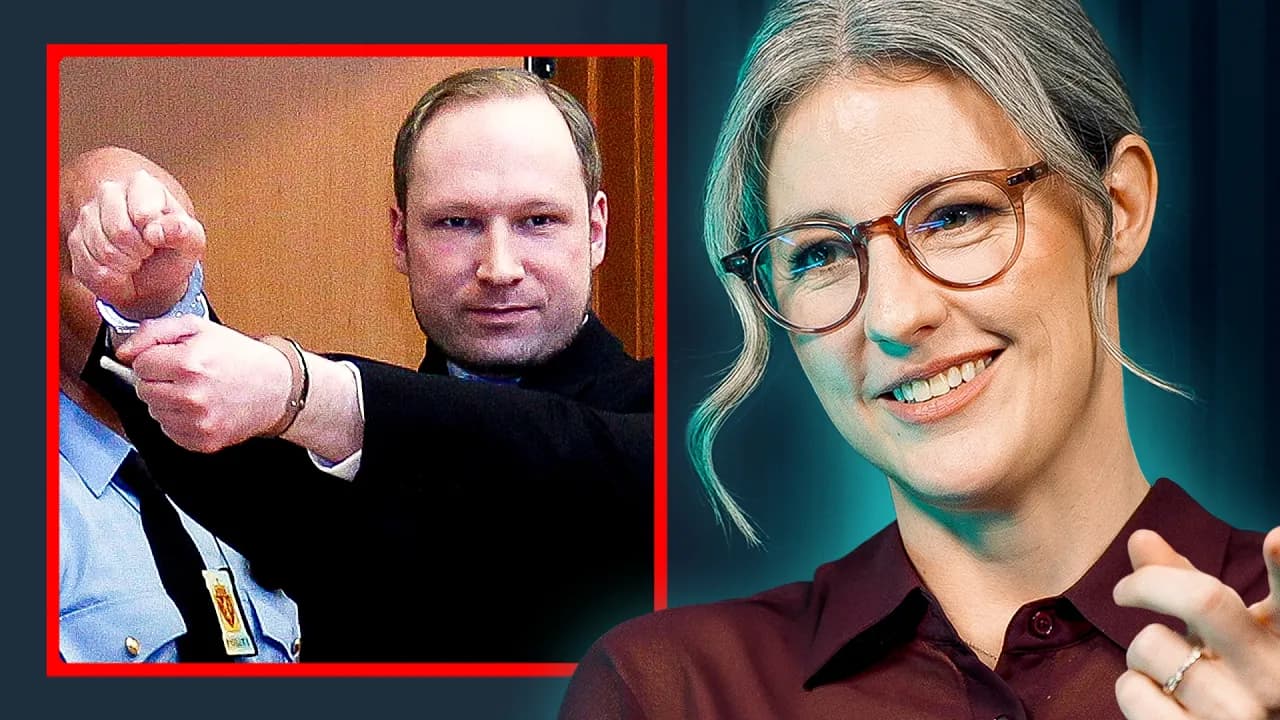
James Densley and Jillian Peterson, professors of criminology and founders of the Violence Project, a St. Paul, Minnesota-based nonprofit that studies mass shootings, have the original mass shooter database. They have interviewed mass shooters and people who knew them.
Did you ever say to any of these mass shooters, could somebody have stopped you?
That was one of the questions I asked every time. Is there anyone or anything that could have stopped you? And every person we talked to said yes. One of them even said, "I think anyone could have stopped me."
These are not young people who are criminal masterminds. These are crimes that are rooted in despair.
Despair spills over to the point that the only solution they see is to pull the trigger and commit this horrific act of violence.
Densley and Peterson have spent the last 10 years researching hundreds of mass shootings to understand the shooters and their pathways to violence. Patterns emerge among mass school shooters.
What gets a young person to that point is horrific trauma early in life, such as abuse within the home or bullying. These overwhelm the young person's character. Young people usually have a helping hand, such as somebody on the internet telling them it's a good idea or a parent negligently leaving a firearm accessible.
The data shows that there are patterns and this could be preventable. Why are we not stepping in and doing something in this moment?
We're still in a mindset that this is the monster and it's not my problem because the monster is not my child or my student or colleague or classmate.
What's the problem with labeling mass shooters as monsters?
There are a couple problems. One is that if you see it that way, there's really nothing we can do—the best is to fortify schools and train children to run, hide, and fight. The other problem is you don't see people in your life going down this pathway because the kid next to you in class is not a monster. He could be thinking about this, sucked into spaces online celebrating it, lost, alone, and suicidal. Because you can't imagine him as a monster, there's no reason to intervene, report, or seek help.
Part of our messaging is like we have to start recognizing that the people who do this are people and they could be somebody in your life. And so you kind of have to be aware of that. If you know that these are the things that we should be looking for, what can we as a society be doing to prevent it?
- Early childhood trauma screening
- Crisis intervention in schools
- School-based mental health
- Suicide prevention (if you want to live, you're not going to do this)
- Help young people navigate online spaces where young men spend time
- Hold social media companies responsible for those spaces
Do you think we'll see more parents charged after a mass shooting if their child's the shooter?
More parents will be charged. A 15-year-old does not exist in a vacuum—they have people in charge of them. If a young person is crying out for help, asking for mental health care, telling school officials, and school officials ask for help, but you buy them a gun and take them to a shooting range, you have played a role.
Keep 60 Minutes in your library
Save the videos and channels worth coming back to, and find them again in one place.