8 Hours of Sleep and Still Exhausted? Fix It FAST Tonight
In a Nutshell
Quality sleep depends on dropping core body temperature, eliminating light exposure, and optimizing the bedroom environment over simply getting eight hours. Key levers include cooling the room to 60-67°F, taking a hot shower 90 minutes before bed, dimming lights and using blue-light blocking glasses, maintaining constant background noise, and ventilating for fresh air. Supporting factors are fixing nutrient gaps like magnesium and B1, avoiding late caffeine or carbs, getting morning sunlight, and keeping devices out of the bedroom.
These notes were generated by AI and may contain inaccuracies.
If you slept for 8 hours and still felt exhausted, this video addresses that issue. When going to bed, the brain goes through a cleaning cycle that flushes out unwanted proteins that build up in Alzheimer's. This is one of the key purposes of getting deep sleep, called the glymphatic brain wash. The length of sleep is not what matters most—it's the quality of sleep. The goal is to achieve quality sleep to avoid waking up feeling exhausted, tired, groggy, or flat. The aging explanation for poor sleep is not true.
Six factors influence sleep quality: light, sound, temperature, air, chemistry, and what is eaten before bed.
Temperature is critical for sleep. The body maintains a core temperature of 98.6°F throughout the day, even during cold plunges. When falling asleep, core body temperature drops by 2 or 3 degrees, which triggers sleep. The room temperature should be set between 60 to 67°F, with 65°F being ideal on average. If the room feels too cold, add more blankets rather than raising the temperature, as a cooler room helps the body temperature drop and facilitates deep sleep.
To decrease core body temperature before bed, take a hot shower or hot bath about 90 minutes before sleeping. Epsom salts can be used for magnesium, which also helps. The warm shower creates vasodilation, causing heat loss followed by a rebound cooling effect. This is why people who take warm showers or baths before bed sleep better. A room temperature of 75°F or warmer makes it difficult to get comfortable and fall asleep.
Cold feet can prevent sleep. Keep feet warm by placing a blanket over them or wearing warm socks.
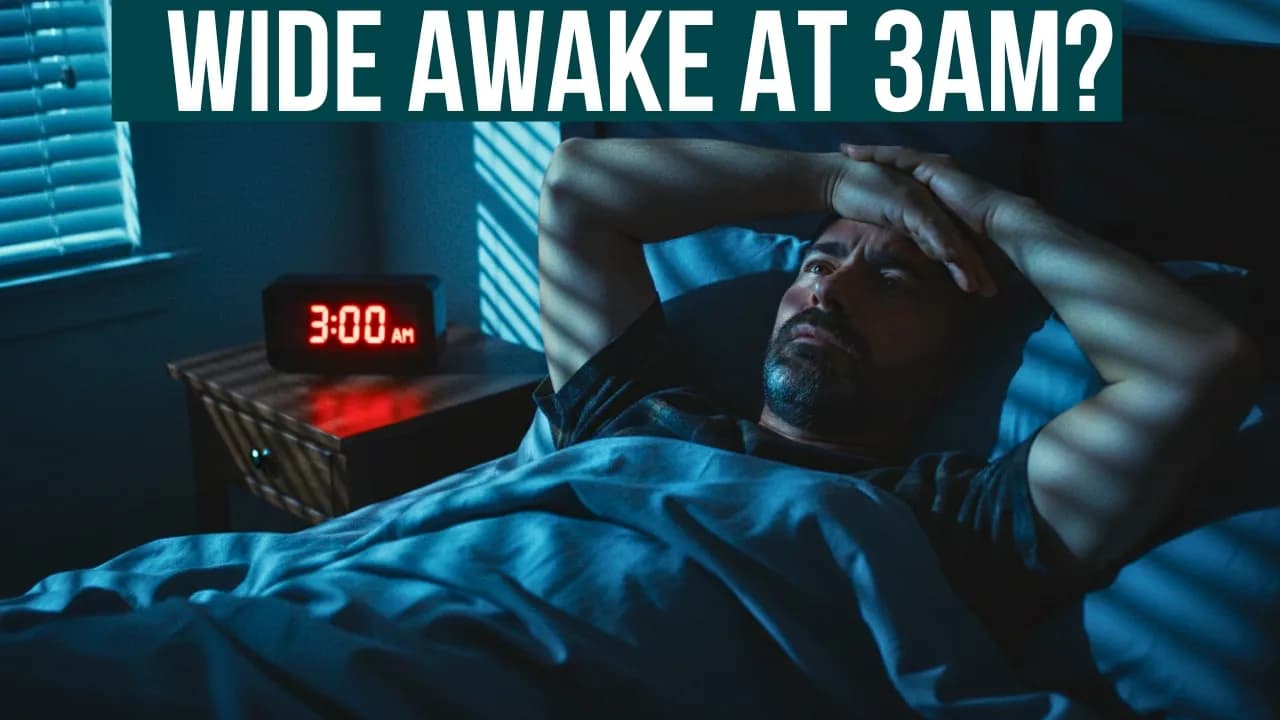
Dim the lights 2 to 3 hours before bed. For watching TV, turn off all other lights and wear orange or amber glasses to filter blue light from the screen. These glasses reduce blue light exposure and can make it difficult to stay awake after wearing them. Remove all small lights from devices like cable boxes and alarm clocks in the bedroom, as even small lights can delay melatonin production. Keep lights dim before bed to avoid delaying melatonin.
Campfire or fireplace flames produce orange, red, and yellow light that emits infrared, which is therapeutic for sleep. LED lights and cell phone blue light before bed are the most disruptive to sleep.
The creator experienced severe sleep problems, including nights with zero sleep, restless leg syndrome requiring nighttime runs, and air hunger causing breathing difficulties. These issues led to creating videos after solving the problems personally.
Consuming refined carbohydrates like Ben & Jerry's ice cream before bed causes blood sugar spikes. Overnight fasting leads to blood sugar fluctuations that cause waking. Eating grains caused bloating and digestive issues that interfered with sleep. Fixing the diet helped resolve these problems.
B1 (thiamine) addresses excessive thinking before bed and restless legs. B1 requires magnesium to function properly. Magnesium deficiency was severe and caused tight muscles; supplementing with magnesium improved sleep. Magnesium glycinate combines magnesium with glycine for dual benefits. Glycine at 3 grams before bed can also help with sleep.
Caffeine from coffee consumed later in the day remains in the system because the liver must detoxify it, preventing sleep. No alcohol is consumed anymore.
If the sleep environment is poor, all other efforts fail. This is compared to a polluted fish tank where fish get sick regardless of food quality or symptom treatment. The body operates on 10 signals including insulin, cortisol, inflammation, sleep quality, and gut function. One signal is typically more broken than others, and fixing it unblocks everything else.
Complete silence signals danger to the brain and can cause insomnia. White noise machines, fans, water sounds, rain sounds, or static help with sleep. The sound must be constant. Earplugs buffer sudden noises from outside or within the house without creating complete silence.
Plants in the bedroom convert CO2 to oxygen. In a sealed room, oxygen depletes within about 2 hours and CO2 builds up. Insufficient oxygen makes it difficult to reach a rest state during sleep. Crack a window for ventilation at no cost.
Early morning sun exposure to the eyes (without staring directly at the sun) for about 30 minutes sets the circadian rhythm and improves nighttime sleep. This single practice has produced significant sleep improvements for many people.
Craving salty snacks at night indicates a need for more salt. Salt deficiency raises cortisol and makes sleep difficult. Adding more salt to the last meal of the day can improve sleep.
Once in bed, breathe through the nose with a 4-second inhale and 4-second exhale. This controls the nervous system and induces a calm state.
More B1 may be needed if there is excessive thinking before bed, nightmares, or vivid dreams.
Quality sleep improves memory, clears brain waste through the glymphatic system, and spikes growth hormone. Avoid consuming any food 3 hours before bed, especially sugary or starchy carbohydrates, as this shuts down growth hormone. Most growth hormone surge occurs within 90 minutes of falling asleep. Growth hormone supports repair, fat burning, and muscle restoration. Quality sleep also resets cortisol, strengthens the immune system, and stabilizes blood sugar.
Keep cell phones out of the bedroom and away from the head. Electromagnetic fields from phones can affect the brain.
Reducing cortisol during the day through simple walking improves sleep quality.
Keep Dr. Eric Berg DC in your library
Save the videos and channels worth coming back to, and find them again in one place.