Berberine Isn’t a Weight Loss Supplement (Here’s What It Does)
In a Nutshell
Berberine mimics metformin, not Ozempic, by directly targeting insulin resistance—the root driver of 31+ diseases including diabetes, fatty liver, PCOS, and Alzheimer's. Clinical trials show it matches metformin in lowering A1C and fasting glucose while outperforming it on triglycerides and LDL, with fewer serious side effects. It’s not a weight-loss drug; when paired with low-carb eating and intermittent fasting, it improves insulin sensitivity, curbs cravings, and drives fat loss over 4 weeks.
These notes were generated by AI and may contain inaccuracies.
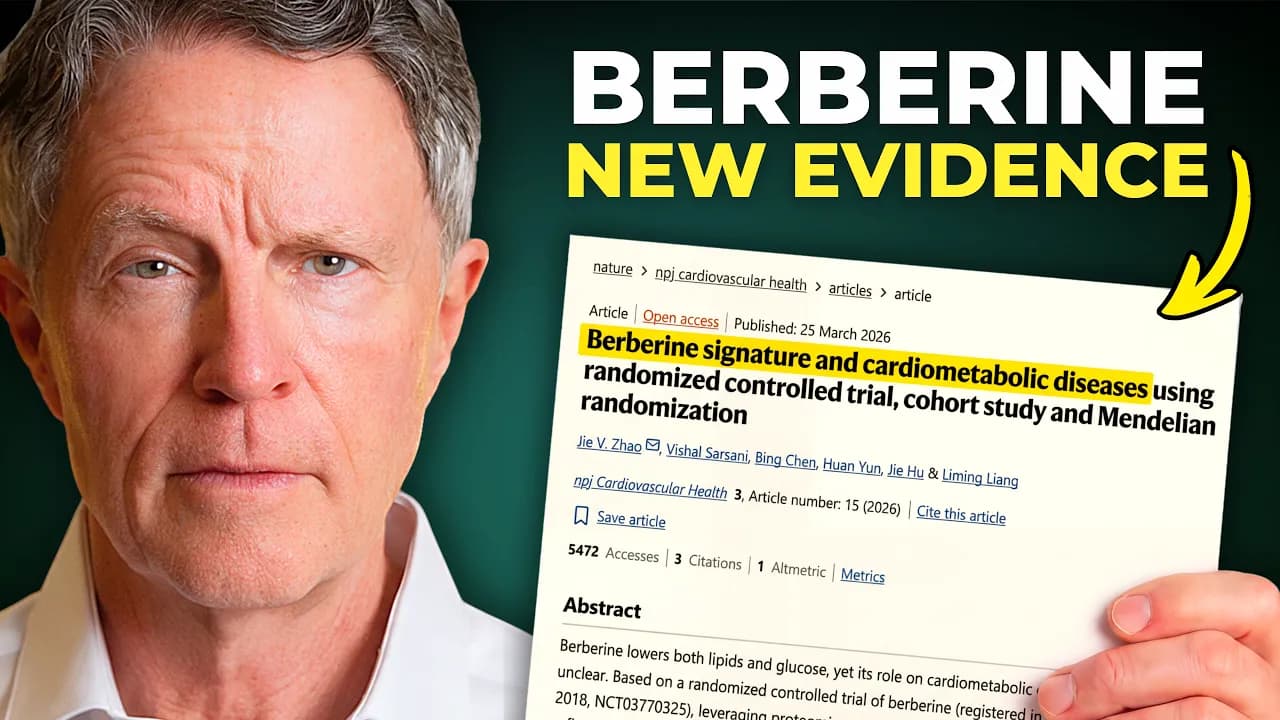
Berberine does not mimic Ozempic. It mimics metformin, which is the number one most common drug prescribed to diabetics. From 50 clinical trials, berberine mimics the effects of metformin.
Metformin addresses a root cause called insulin resistance, which has been linked to over 31 different diseases: Type 2 diabetes, prediabetes, fatty liver, high cholesterol, high triglycerides, high blood pressure, polycystic ovarian syndrome, metabolic syndrome, obesity, heart disease, hardening of the arteries, colon cancer, colorectal polyps, gut infections, H. pylori, Alzheimer's, Parkinson's, depression, stroke, gout, kidney disease, kidney stones, sleep disorders, and schizophrenia.
Berberine has over 54 scientific reviews and real patients showing real results. Ozempic works through a completely different mechanism by reducing appetite. People lose a lot of weight but also lose a lot of muscle mass. When they stop Ozempic, they regain the weight but do not regain the muscle.
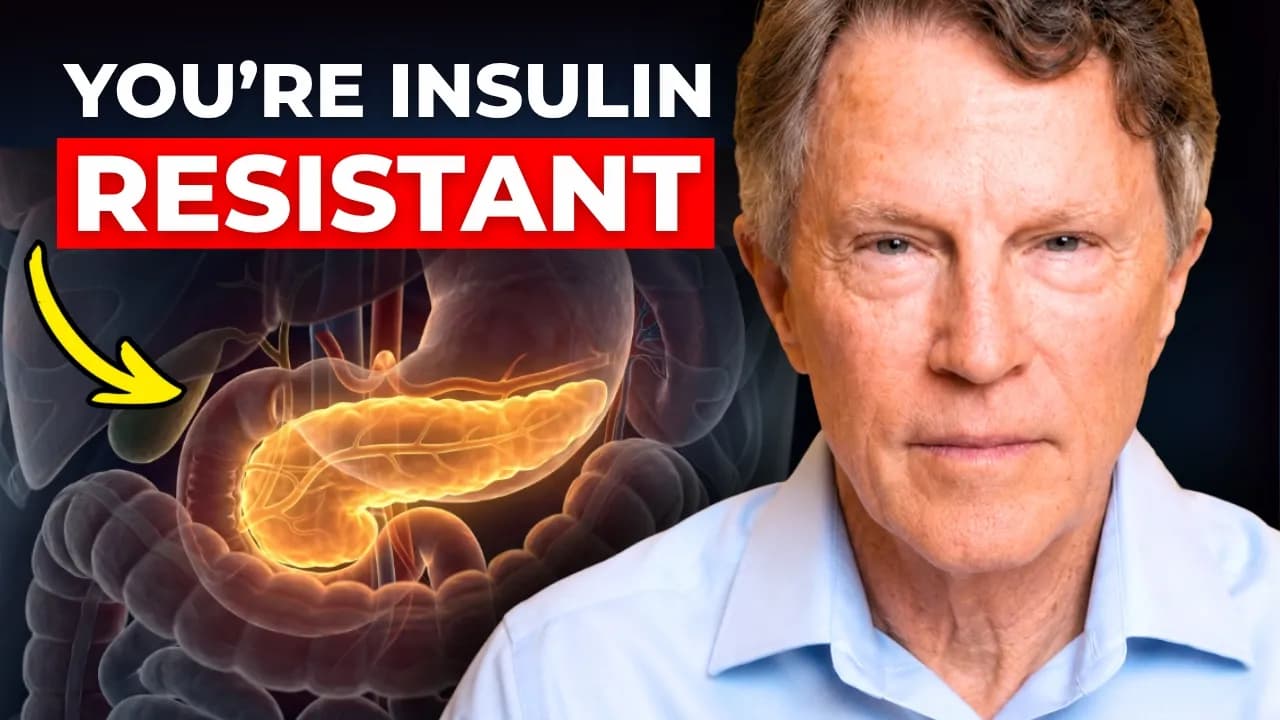
Insulin resistance occurs when cells no longer take up insulin properly, preventing glucose from entering cells and causing it to back up into the blood. This creates high blood glucose levels. Because cells are deficient in insulin due to resistance, a feedback loop signals the pancreas to produce excessive insulin, creating other complications.
In 2024, researchers tracked 889 people for 1 to 3 months and found insulin resistance connected to at least 31 different diseases. When insulin resistance occurs, the body turns into a sugar machine on steroids.
Research comparing berberine to metformin showed:
- A1C levels: berberine group went down to 7.5, matching the metformin group exactly
- Fasting blood sugar: berberine brought it down 17%, metformin brought it down 20%
- Triglycerides: berberine lowered them by 17.5%, metformin brought them down by 4.5%
- LDL cholesterol: berberine brought it down by 21%, metformin only brought it down by 2%
Metformin has a black box warning for lactic acidosis and can deplete B12. Berberine has some digestive side effects but fewer overall.
Berberine has absorption challenges. People with gut issues or who have taken years of antibiotics might not experience the full benefit. Berberine is not a weight loss supplement but a repair tool to help against insulin resistance.
Taking berberine alone without dietary changes would not produce many results. The protocol requires combining berberine with dietary changes, especially reducing carbohydrates.
Week 1: Change diet and start berberine - typically see fasting glucose level lower by 15 to 20 points. This improves mood and cognitive function. Start with 500 mg at dinner to avoid digestive side effects.
Week 2: Blood sugar spikes after eating become less pronounced with more energy.
Week 3: Big drop in inflammation if present. High blood pressure may decrease. Appetite reduces with less carbohydrate cravings, reduced need to snack, and possibly skipping breakfast.
Week 4: Most noticeable weight loss occurs. Improved insulin resistance leads to greater fat burning and less fat storage. Conservative estimate: lose at least 5 lb, probably 10 lb. Initial water weight loss may be greater. LDL clearance improves, though this requires testing to confirm.
Berberine combined with a low-carb diet that includes intermittent fasting provides the complete approach for addressing insulin resistance.
Keep Dr. Eric Berg DC in your library
Save the videos and channels worth coming back to, and find them again in one place.