The EXACT Formula to Reverse Insulin Resistance (Doctors Won't Tell You)
In a Nutshell
Insulin resistance is the hidden root driver of most chronic disease and can be reversed by testing properly, keeping post-meal blood sugar under 140 mg/dL through low carb-to-fiber foods plus walking or isometric “snacks,” and combining resistance, aerobic, and interval training. Sleep 7–9 hours, manage stress and environmental toxins, and use targeted supplements (berberine, mulberry, creatine) or medications (metformin, GLP-1s) when needed. A clear personal purpose is what sustains the daily discipline long-term.
These notes were generated by AI and may contain inaccuracies.
Insulin resistance is the worst disease you could have. Over half of people have it by age 18, and over 90% have it by ages 60 or 70. 90% of those who have it have no clue they do. It is reversible with the right strategy.
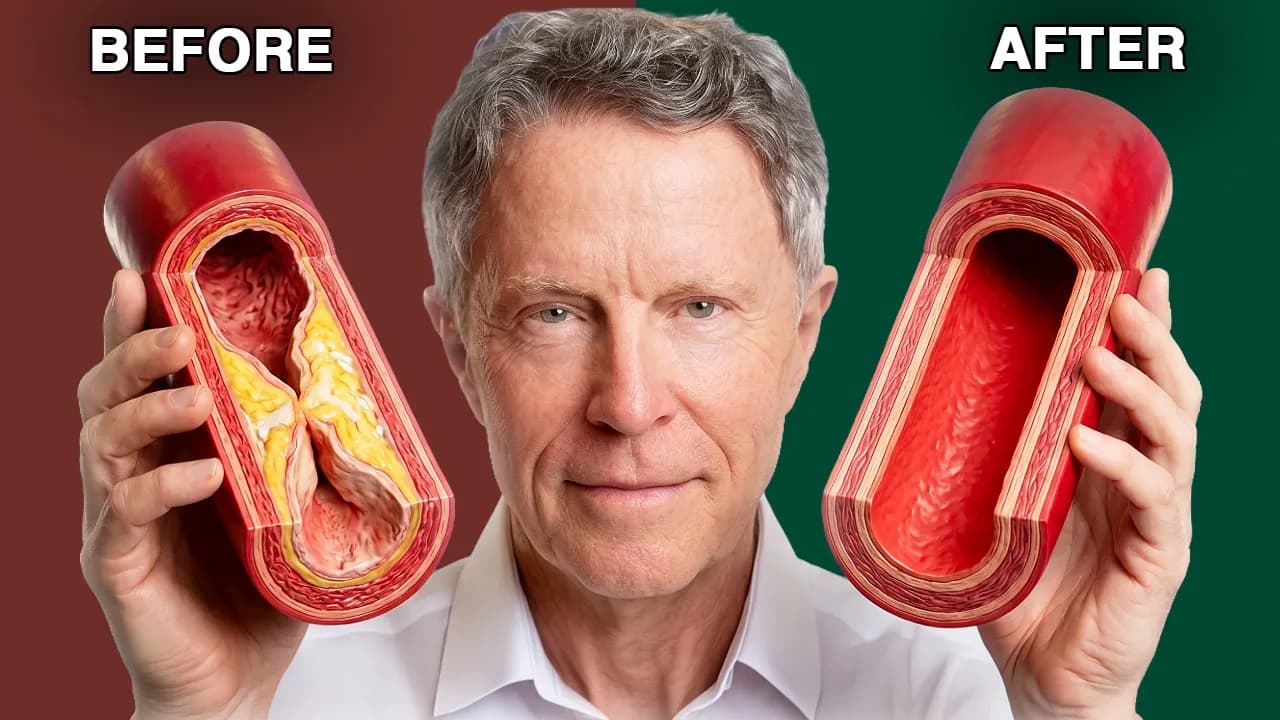
Most people think insulin resistance is just a mild case of high blood sugar. One patient was told by a nurse that he had "a touch of sugar," but he was eating biscuits, gravy with flour, and grain products without realizing the damage. Insulin resistance is the root cause of many health problems people struggle with and die from. Standard tests often look normal while the disease quietly destroys arteries that supply every tissue from eyeballs to kidneys, brain, and heart. It is not just one disease but the root cause of almost every chronic condition doctors treat as separate problems.
The first step is to test rather than guess. There is a clear way to find out if you have insulin resistance and how bad it is. The test most doctors order misses up to 70% of cases. A full video on proper testing is linked in the description. Over 52% of people by age 18 already have pre-diabetes according to the last US census and NHANES data.
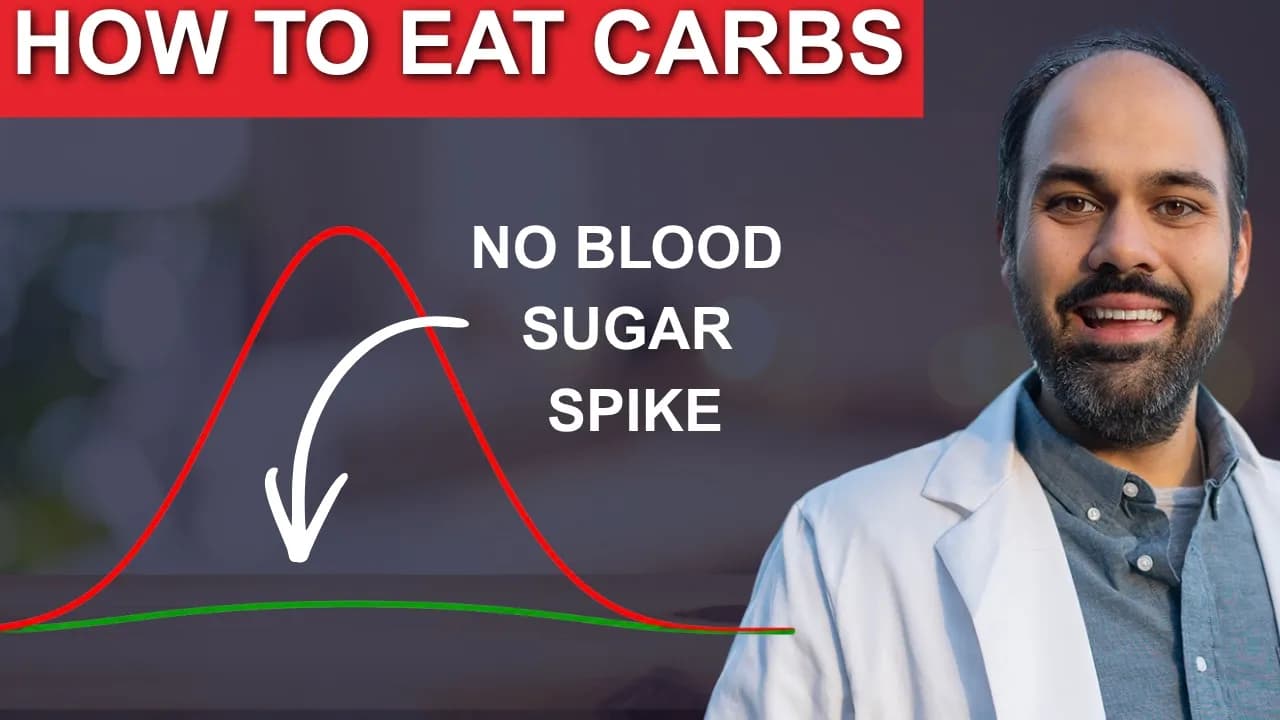
You do not need to cut all carbs, but you must cut the ones repeatedly pushing blood sugar into the danger zone. Every time blood sugar crosses 140 mg/dL, the lining of the arteries starts to take damage. The longer and higher above that number, the more damage occurs. This threshold triggers an inflammation response in the artery wall, and that inflammation builds plaque. Repeated blood sugar spikes happen multiple times daily with no symptoms.
The practical tool is the carb-to-fiber ratio. Divide total carbs by grams of fiber. If the result is under 7, the food is generally safe. If over 7, it is probably pushing past the threshold. Leafy greens have ratios well under 1. Blueberries come in around 5 or 6. Steel cut oats are 6.7. White bread, breakfast cereal, chips, and whole wheat bread have ratios that often exceed 20 with almost no fiber. Whole grain products have glycemic values higher than table sugar.
Eating order matters. Consume protein, fat, or fiber before carbohydrates to blunt the glucose spike. A 10-minute moderate-intensity walk after a meal pulls glucose out of the bloodstream. Isometric exercises such as wall squats, wall sits, planks, and deep lunges done after eating create the same effect. Apple cider vinegar (1-2 tablespoons in water) taken before a carb-heavy meal slows gastric emptying and reduces the post-meal spike.
A single session of moderate to vigorous exercise improves insulin sensitivity for the next 24 to 48 hours. Consistency and intensity both matter. Aerobic work helps, but resistance training is especially important because building muscle creates a larger glucose sink. Muscles absorb and use glucose more efficiently, requiring less insulin. High-intensity interval training creates large metabolic benefits in less time.
The combination of aerobic, resistance, and interval work is most effective. Exercise snacks make the 150 minutes per week target achievable. Four 5-minute sessions per day reach the goal. Sessions can be a brisk walk after breakfast, wall sits after lunch, a short resistance band circuit, or 5 minutes on a rebounder. Muscles manage more blood sugar than the pancreas, and this effect is especially powerful right after eating.
Sleep is the most underestimated roadblock. Reducing sleep by just 90 minutes per night undoes daily discipline with diet and exercise. Undiagnosed sleep apnea is far more common than realized. Even thin people with low BMI can have it. During apnea events, oxygenation drops, adrenaline and cortisol spike, blood vessels tighten, and the nervous system enters fight-or-flight mode. This can happen hundreds of times per night.
The fix requires 7 to 9 hours with consistent bed and wake times every day including weekends, a cool dark room, and screens off at least 30 minutes before bed. If you snore, wake unrefreshed, or are told you stop breathing at night, get evaluated for sleep apnea. Sleep is a metabolic treatment, not optional.
Chronic stress worsens insulin resistance through cortisol and adrenaline. Elevated cortisol signals the liver to release more glucose even without eating and promotes visceral fat storage. This creates a vicious spiral: insulin resistance disrupts sleep, which increases cortisol, which worsens insulin resistance. Stress also amplifies cravings for sugar and refined carbs.
The solution is to reduce daily decision-making burden by making healthy behaviors automatic. Examples include eating the same breakfast daily, maintaining the same bedtime, taking the same post-dinner walk, and keeping only supportive groceries in the house. When healthy behavior becomes the default, stress has less to work with. Slowed breathing from 15-20 breaths per minute down to 7-8 breaths per minute also helps reduce stress.
Plastics containing BPA, BPS, and phthalates act like hormones and interfere with estrogen, androgen, and thyroid hormones, worsening insulin resistance and increasing visceral fat. Use glass, stainless steel, or ceramics for hot foods and drinks. Do not microwave in plastic. Choose glass or steel water bottles.
Pesticides and herbicides alter gut microbiome signaling. Wash produce thoroughly, peel thick-skinned items, and prioritize organic versions of leafy greens and berries. PFAS forever chemicals accumulate in fat tissue, disrupt thyroid function, and promote liver fat. Replace scratched non-stick pans with stainless steel or cast iron. Avoid coated fast-food packaging.
Heavy metals generate oxidative stress and impair insulin signaling. Test well water if applicable. Vary grain sources and choose lower-mercury fish such as sardines, salmon, and trout. Use air purifiers in the bedroom on high-pollution days and exercise indoors or away from heavy traffic.
Supportive family and household members make changes easier by reinforcing food choices, daily walks, resistance snacks, and avoidance of harmful products.
Berberine activates AMPK, a metabolic master switch. It reduces liver glucose production, improves muscle glucose handling, and enhances insulin sensitivity. Clinical studies show glucose-lowering effects comparable to metformin. It also improves triglycerides and reduces inflammation. It is useful when fasting glucose is elevated, triglycerides are high, or fatty liver is present. Typical dosing is 500 mg two to three times per day. Start with one dose and monitor for GI symptoms.
Mulberry leaf extract inhibits alpha-glucosidase enzymes, slowing carbohydrate digestion. Controlled studies show roughly 50% reductions in peak post-meal glucose. It is especially useful for people whose main problem is post-meal spikes above the 140 mg/dL threshold.
Mulberry slows post-meal glucose spikes rather than functioning as an insulin sensitizer. It addresses post-meal glucose issues rather than fasting glucose. The typical dose is one gram taken before meals containing significant carbohydrates.
Creatine supports muscular training that leads to better insulin sensitivity. It enables more repetitions, heavier lifts, faster recovery, and helps maintain muscle over time. More muscle creates a larger glucose sink, making the body more efficient at handling carbohydrates. Standard dosing is 3-5 grams per day of creatine monohydrate taken consistently. Newer evidence shows benefits for dementia prevention at higher doses of 10-15 grams daily. Cycling is not necessary.
Citrulline is an amino acid-like compound that supports nitric oxide production and improved blood flow. Better circulation enhances delivery of glucose and insulin to muscle tissue. It functions as an exercise amplifier rather than a direct glucose intervention. The best form for muscle building is citrulline malate at 6-8 grams per day taken about an hour before workouts.
Lifestyle changes, roadblock removal, and supplements may not fully address insulin resistance due to aging effects. Insulin receptors become less effective with age. Medications become necessary for some individuals to maintain health and contribution to family, community, and society.
Metformin reduces glucose release from the liver and improves insulin sensitivity in peripheral tissues. It may also improve the gut biome. The most common side effects during initial weeks are gas and diarrhea. The Diabetes Prevention Program showed metformin reduced progression from pre-diabetes to type 2 diabetes by 31% in high-risk people. It is inexpensive and widely available.
Starting doses are typically 500 milligrams once or twice daily, with a standard maximum of two grams per day. Personal dosing may be lower at 500 milligrams three or four times weekly.
Concerns about mitochondrial stress come from lab rat studies using doses equivalent to seven grams daily in humans. These doses are not comparable to typical human therapeutic use.
GLP-1 agonists represent a newer class of medications beyond metformin and insulin. Examples include semaglutide and tirzepatide. These medications mimic the body's own gut hormones and work through signaling rather than direct action. They regulate appetite and blood sugar control.
Effects include feeling full sooner, staying full longer, eating less, reduced visceral fat, decreased liver fat, and lowered cardiovascular risk. Some users experience meaningful weight loss. These medications were originally developed for diabetes treatment.
Proper use combined with resistance training can result in increased muscle and decreased fat rather than muscle loss. People who benefit most have significant obesity, uncontrolled appetite, established diabetes, or high cardiovascular risk. When paired with lifestyle changes, these medications can help reach previously unattainable metabolic states.
The Heart Reveal panel provides targeted testing to identify drivers of heart disease, insulin resistance, inflammation, and cardiovascular risk. It includes direct access to interpretation support rather than general analysis. Results help identify true heart attack risk based on individual metabolism and evidence.
Most people make progress for weeks or months before drifting from the plan. The missing element is purpose—a clear reason to maintain consistency and discipline. Without purpose, habit building breaks down.
The plan requires cutting foods, changing lifelong eating patterns, altering sleep habits, moving when tired, maintaining consistent bedtimes, and resisting wired stress responses. These repeated decisions under pressure require a compelling reason to continue.
Purpose might involve grandchildren, a spouse or partner, church, company, contribution to society, or unfinished work. For some, it is a garden. When the reason is clear enough, downstream decisions become easier.
Purpose combined with supportive family environment and shared meals creates conditions where the environment carries part of the load rather than requiring constant fighting against surroundings.
Fixing insulin resistance represents the most important intervention for long, healthy life and prevention of clogged arteries. Growing older is challenging, but becomes easier, healthier, and longer with healthier arteries.
Keep Thomas Fordham Brewer MD MPH in your library
Save the videos and channels worth coming back to, and find them again in one place.