How I Use Berberine to Clean Arteries
In a Nutshell
Berberine reverses arterial plaque danger by stabilizing it—reducing inflammation, strengthening the fibrous cap, and preventing rupture—rather than just shrinking it or lowering LDL alone. It works upstream by improving insulin sensitivity, lowering post-meal blood sugar/triglyceride spikes, calming inflammatory cytokines like CRP and IL-6, and reshaping the cardio-metabolic environment, with supporting evidence from animal models showing less plaque/inflammation and human trials demonstrating plaque reduction on ultrasound plus metabolic improvements. Dose 500mg before lunch and dinner; pair with diet, exercise, and lifestyle for best results over 2-4 months, and consult a doctor if on meds.
These notes were generated by AI and may contain inaccuracies.
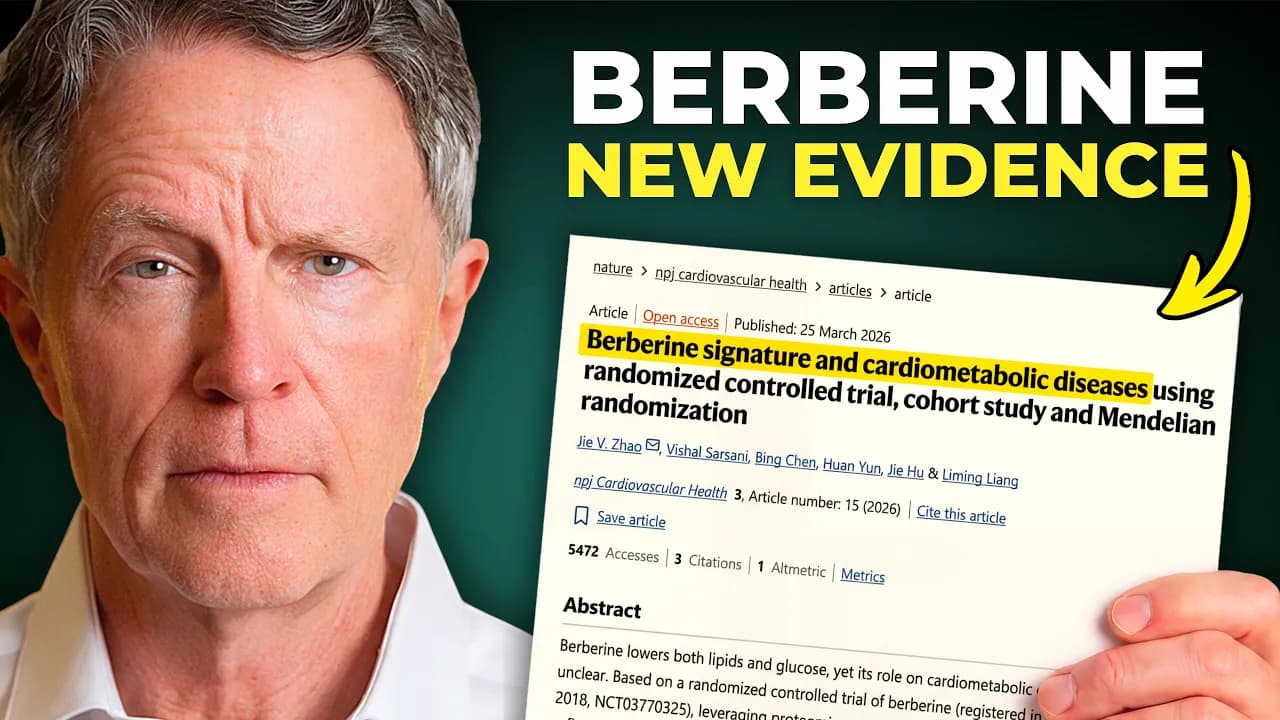
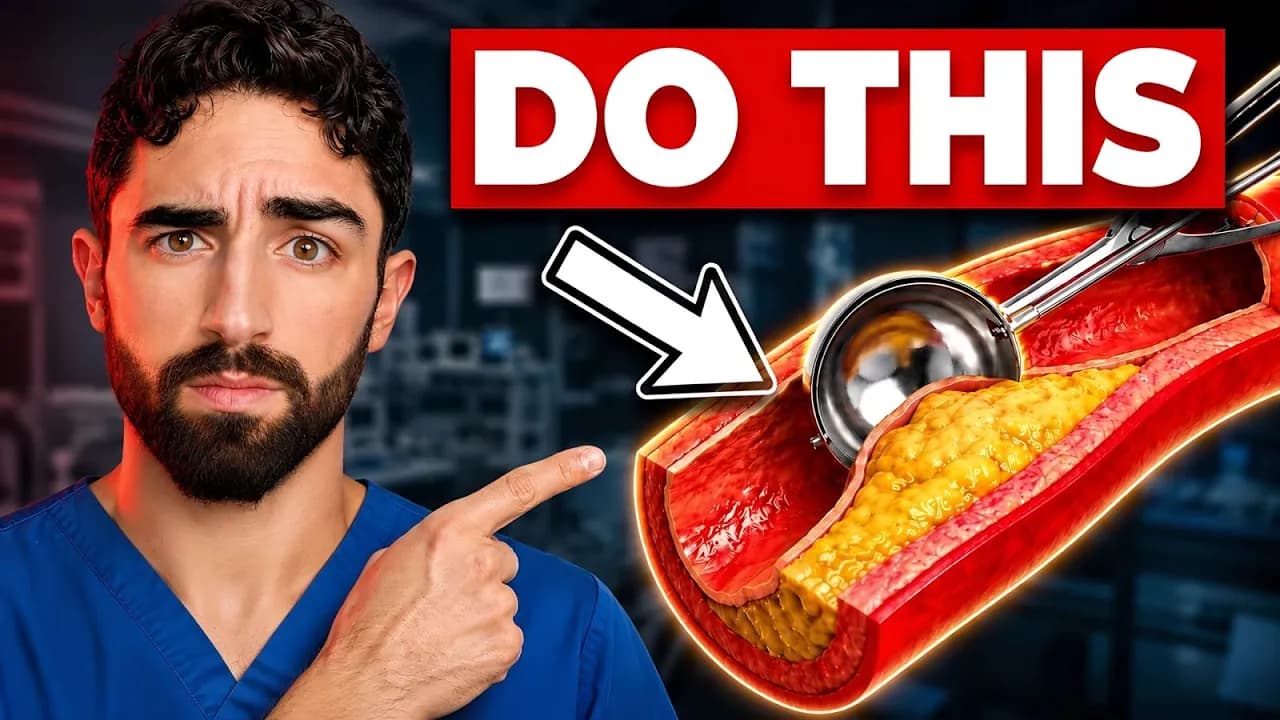
What if there's a natural compound that can reverse arterial plaque, supported by human studies? It works not by scraping arteries clean or detoxing cholesterol, but by changing what plaque really is and what's inside it. Documented reversal of plaque in arteries occurred without getting rid of all cholesterol. Instead, it eliminates inflammation, calms inflammation, strengthens the thin fibrous cap, makes plaque quieter and far less likely to rupture. Real reversal is not about removing plaque but making it less dangerous by stabilizing it.
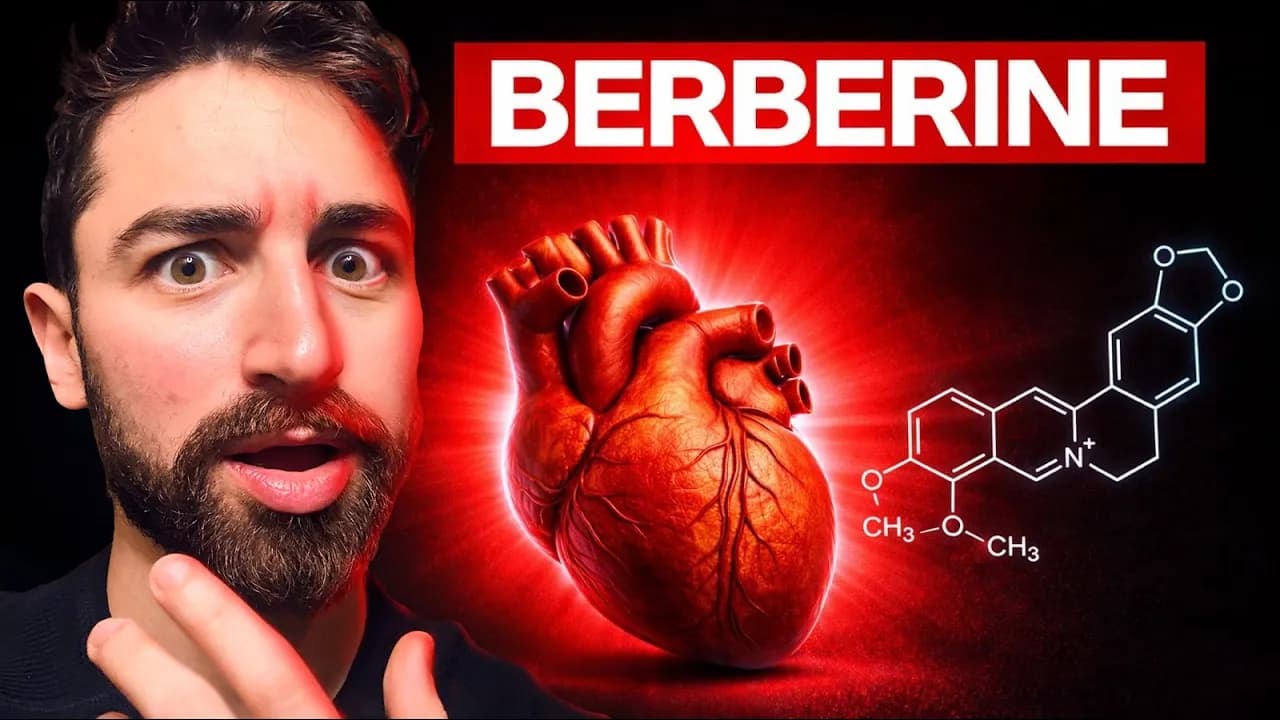
Berberine becomes interesting not because it lowers cholesterol—a lot of things do that—but because it directly targets conditions that turn quiet plaque into deadly plaque. LDL-only thinking fails: Berberine is misleadingly described as a natural statin. Yes, it lowers LDL, but LDL alone doesn't explain plaque instability. The biggest driver is metabolic inflammation. People with normal cholesterol still have heart attacks; some with high LDL never do. To calm plaque, change the environment inside the bloodstream, not just one lab number like LDL.
Berberine works upstream inside the cell, changing metabolic signals that keep arteries under assault.
- Improves insulin sensitivity: Cells respond better to insulin, sugar clears from bloodstream faster.
- Tells liver to stop overproducing sugar and triglycerides.
In insulin resistance, blood sugar rises, pancreas makes more insulin, but cells resist, requiring more insulin. High insulin blunts fat burning, leading to high sugar, high insulin, high triglycerides. Post-meal, spikes in blood sugar, triglycerides, and insulin damage arteries. Berberine decreases these inflammatory components.
Inflammatory cytokines (cyto = cell, kine = attractants) are chemicals released by inflammatory cells at tissue damage sites to call reinforcements, like police at a wreck. Berberine calms cytokine use, quieting messengers that turn stable plaque into hot plaque. Think of berberine as a thermostat bringing the system into balance: insulin sensitivity, fat burning, cytokine release.
Don't just ask if you have diabetes—ask how much insulin resistance you have, as 90% isn't diagnosed until too late and tissue damage has occurred. By diabetes diagnosis, 1/3 to 2/3 of people have eye and nerve damage. Pre-diabetes is a disease that damages tissue, not benign. Berberine restores insulin sensitivity, clears sugar faster, lowers insulin, reduces triglycerides, cools inflammation in artery walls.
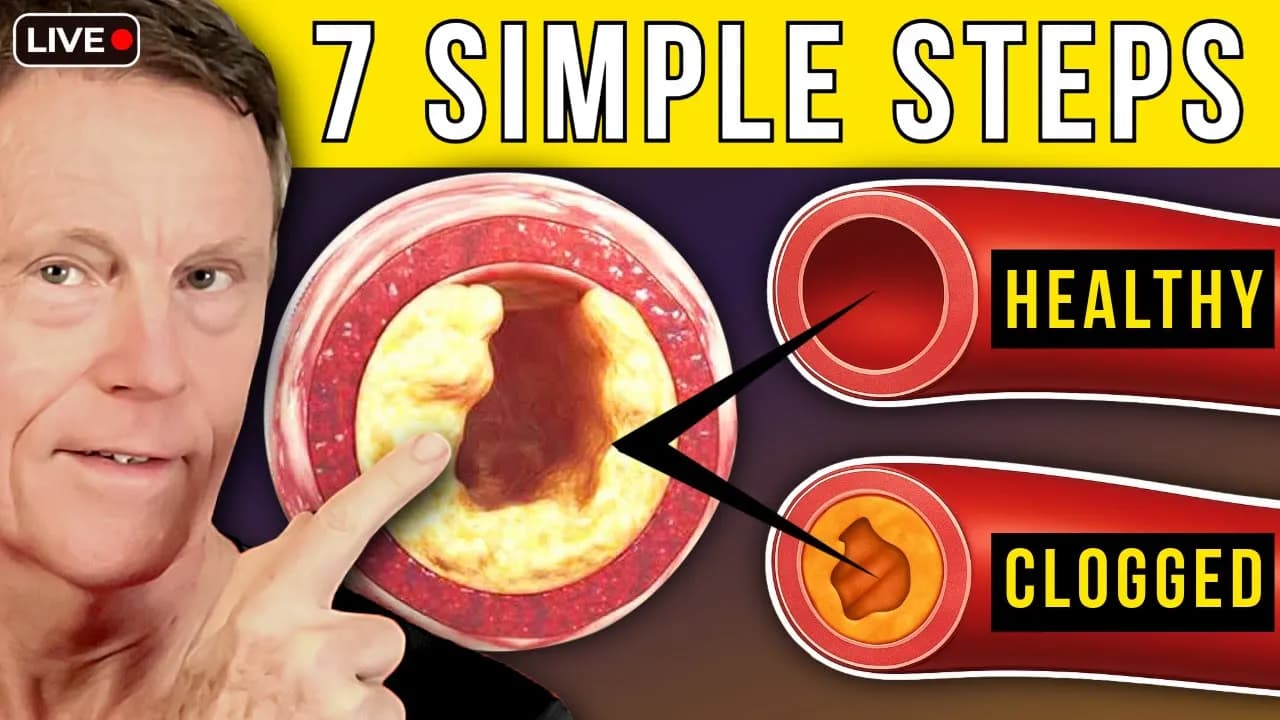
Most dangerous plaque is hot plaque: inflamed, soft, packed with immune cells and cytokines. Immune cells release enzymes weakening the protective cap. If cap ruptures, inflammatory material spills, forming a clot and heart attack. Goal is stabilizing plaque, not shrinking it. Berberine reduces inflammatory cells in plaque, lowers destructive enzyme activity, strengthens fibrous cap, rebalances immune signaling from aggressive inflammation to repair. Like reinforcing a pothole, not just filling it. Better question: Can I make plaque safer with berberine? Yes.
Animal studies (rodent/rat models): Berberine shows less total plaque, more stable composition, lower triglycerides, lower LDL, better glucose control. Alters gut microbiome, reduces TMAO (trimethylamine oxide), a microbial byproduct linked to arterial inflammation and cardiovascular risk. Arteries show smoother walls, fewer inflammatory cells, improved function. Rodents allow direct plaque analysis ethically impossible in humans; signal is consistent.
Human studies (dozens of small clinical trials): Improved insulin sensitivity, lower fasting/post-meal glucose, triglyceride reductions of 20% or more, reduced inflammatory markers like CRP (C-reactive protein) and IL-6 (interleukin-6). Standout: Small study of stroke patients with carotid artery disease showed measured plaque reduction on ultrasound after 8-12 weeks, best with nutrition/lifestyle changes. Cannot outsupplement lifestyle. Consistent pattern across studies: Berberine reshapes cardio-metabolic environment.
Berberine has short half-life; timing matters. Recommend 500 mg before lunch, 500 mg before dinner, 15-30 minutes before meals to blunt glucose/triglyceride spikes. If sensitive, start with one dose daily, build slowly. If on blood sugar/blood pressure meds, consult doctor. Consistency > dose; expect changes over 2-4 months.
Berberine is not magic, not a health hack, not a substitute for fundamentals: diet, proper body composition (lower visceral fat, healthier muscle mass), daily movement, quality sleep, stress/blood pressure control. Used alone helps; paired strategically, transformative. Reversing plaque changes the environment that created it; berberine tips balance but requires showing up.
Growing old is not for sissies, but it's a lot easier with healthy arteries. Don't wait until 50 or 60.
Keep Thomas Fordham Brewer MD MPH in your library
Save the videos and channels worth coming back to, and find them again in one place.