Boston's Big Dig | 60 Minutes Archive
In a Nutshell
Boston's Big Dig, a $10 billion (originally $2.5 billion) 7.5-mile highway project replacing the elevated Central Artery with an underground road and airport tunnel, has ballooned due to political pork and "keep them happy" spending—over $3 billion (one-third of costs) on items like a $130 million picnic island, $66 million police overtime, $15 million Boston Garden storage, and a $1.3 billion ramp redesign. Critics like Inspector General Robert Sarrelli and Boston Magazine's John Stranich call it a bipartisan boondoggle driven by federal funds (85% taxpayer-paid), with manager Bechtel earning $1 billion amid delays, overruns, and no early penalties. Despite amenities and urban challenges, the project faces 6+ years of extra time and risks to federal funding.
These notes were generated by AI and may contain inaccuracies.
Rarely is a public works project built anymore without a huge price tag. The Big Dig is costing more than a billion dollars a mile. One-third of the cost has little or nothing to do with building the road. It's the most expensive road ever built: a 7.5-mile, $10 billion stretch of highway in downtown Boston. 85% of the price tag is paid for with federal money, taxpayer dollars.
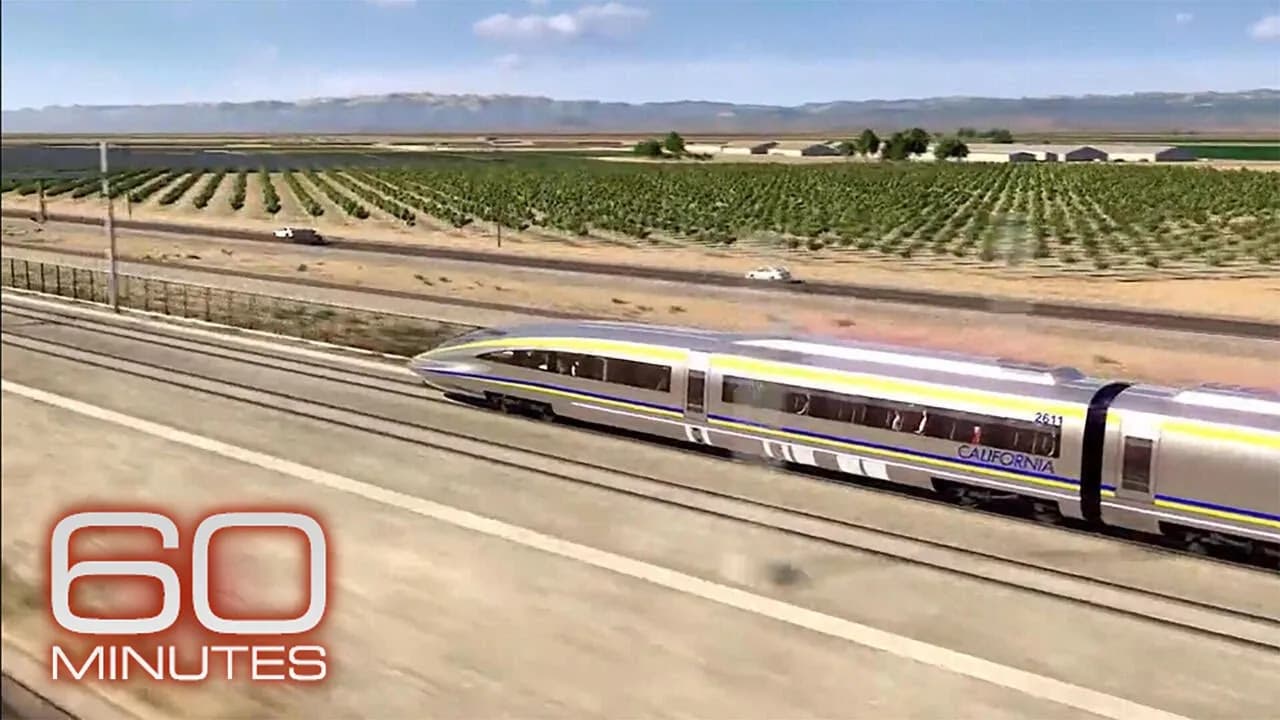
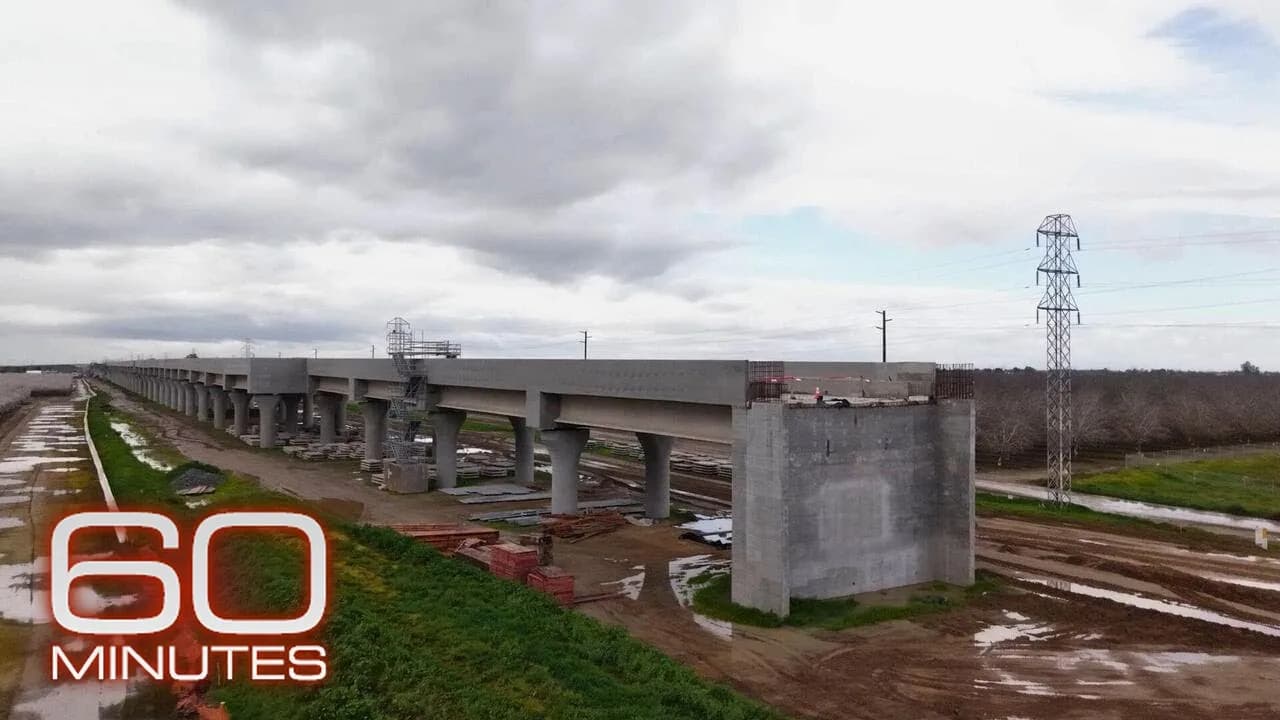
Boston had perpetual traffic jams on the main road, a green elevated eyesore called the Central Artery. The Big Dig plan: tear it down, replace it with a wider road underground, and add a new tunnel from downtown to the airport. Critics say it's more of a beautification project than a traffic easer.
Robert Sarrelli, state inspector general who monitors Big Dig spending: > When this project is done and after all the aggravation that people go through, I think people are going to be sitting in a tunnel someday in 2004, sitting in traffic eating fumes, saying, "What did they do?"
I've said this many times. I said it many years ago, but the project is too big. It's driving itself.
Pushed in Congress a decade ago by former Speaker Tip O'Neill and Massachusetts Senator Ted Kennedy. Senators recall: > It was kind of known as the great Tip O'Neill project, and everybody seemed glad to do that for... > It's called the Central Artery, which the next time you go up, you'll see the interstate uh signs on it. We hope you'll enjoy your trips to New England.
Started as $2.5 billion project under Democratic Governor Michael Dukakis. By the time he left office, price tag had doubled. Under Republican William Weld in 1991, it doubled again. > This was a bipartisan effort that's turned into a bipartisan boondoggle.
John Stranich, executive editor of Boston Magazine and co-author of critical articles: > Everyone's got a piece of this. Everyone's endorsed the thing. Everyone's signed on. There's a grab-bag mentality in this town regarding that project and there's a Santa Claus mentality inside the project. Biggest cost increases from money spread to mollify businesses and community groups after federal spigot opened.
- Boston Garden (sports arena): $15 million because Big Dig took storage space for Boston Celtics' parquet floor and equipment (appraisers said $3 million to replace).
- Local science museum: $500,000 for Big Dig exhibit.
- $750,000 for Holocaust memorial.
Peter Zuk, Massachusetts Big Dig director, on memorial: > Right next to the Holocaust memorial, we're making a mess down there for the next few years. And this was the first place that we could demonstrate in a public space that this project is going to bring with it amenities as well as the burdens of construction.
Appeasing public with amenities: building parks, including $130 million picnic island (former dump) using Big Dig dirt.
Harvard professor Alan Altshuler: > The federal government has created enormous incentives to satisfy all those who might sue to stop the project. So the pressure to achieve local consensus is phenomenally great.
They're expending an awful lot of money to make sure that the federal flow continues. > Absolutely. The most important thing has been to make sure that nothing interrupted the flow of federal dollars.
Harvard: $267,000 study (quarter million dollar history of project), financed by state using federal money.
- Police flagmen overtime: $66 million.
- Fire department fireboat: $231,000 ($100,000 too much; contractor $70,000 commission, design flaws—firefighters couldn't access cabins with gear, exposed fuel tanks risked explosion near fires; had to redesign).
Sarrelli on fireboat and taxpayer mistakes: > Is it part of the contract that the state taxpayers or the federal taxpayers have to pay for whatever dumb mistake they make? > Yes. I mean the taxpayers are paying for their mistakes. > Money is no object.
Tunnel under channel near Gillette plant instead of cheaper bridge (to avoid losing parking lot). Bridge would save $500 million at least.
Four ramps cost $18 million as part of Scheme Z bridge system (one of 30 designs A to Double D) to cross Charles River. Locals, environmentalists, neighborhoods, businesses hated it—looked like vertical Slinky 10 stories up, chosen without input. Scrapped as 'ramp to nowhere'. New design (Son of Scheme Z) took 3 more years, added $1.3 billion (they don't like it either, but too late).
- Scheme Z redesign: $1.3 billion
- Boston Garden storage: $15 million
- Science museum exhibit: $500,000
- Holocaust memorial: $750,000
- Picnic island park: $130 million
- Harvard study: $267,000
- Police overtime: $66 million
- Fireboat: $231,000
- Gillette channel tunnel add-on: $500 million
- New ferry terminal: $3 million
- Fish protection system: $1 million
Total: more than $3 billion (almost one-third of project). Differs from old way: engineers mowed down houses, built highway, later regretted.
Zuk: > I wouldn't describe us as super sensitive at all. I would describe us as responding to those things that we think respond to real needs and add value to the project.
Any city rebuilding roads without destroying neighborhoods or shutting businesses must do this. > If we put this in medical terms, this project is the equivalent of doing bypass surgery on a patient who insists on going to work and continuing to play tennis. That's what we're doing when we say we'll keep the existing highway open while we build a new one beneath it. Building new road taking 6 years longer than planned.
Construction giant Bechtel and partner manage Big Dig, earned nearly $1 billion. No penalties for delays or overruns until recently, few incentives for on-time/budget.
Bechtel rep on overruns: > I disagree that there have been an exceptional amount of cost overruns. There's been cost growth on this project, but an overrun is when we have some activity that runs over cost.
I take responsibility for everything that happens here. I don't believe there has been a mistake on our part. I believe there has been some solid management of the design and the construction process here. But that these are the costs that you're going to incur when you build a project of this amazing complexity in an urban area.
Contractor hired to move sewer pipe for $20 million; became $39 million (100 changes, overtime). State 'negotiated' to $34 million, saving $5 million.
Little complaining about noise/inconvenience because of payoffs. Another 7 years to finish. Officials worry Congress will scale back federal funding, leaving bigger local bill, harder to keep everyone happy.
Keep 60 Minutes in your library
Save the videos and channels worth coming back to, and find them again in one place.