Gold Star families demand answers for Iran war deaths: "They killed those soldiers"
In a Nutshell
Gold Star families accuse U.S. Army leadership of ignoring known drone threats and failing to provide basic force protection at Port Schuea, resulting in the first 23 American deaths of the Iran war, including Master Sergeant Nicole Amimer. Soldiers had seen intelligence marking the outpost as a target, requested counter-drone systems and medical support that never arrived, and were told protection against aerial attack was unnecessary. The Pentagon has provided no accountability eight months later, despite an internal investigation that families say refuses to acknowledge preventable failures.
These notes were generated by AI and may contain inaccuracies.
The Pentagon's latest price tag for the Iran war is $47 billion. The heaviest toll has been levied on more than 800 American service members wounded and the families of the 23 who have died. A monthslong investigation reveals the extent of the damage to US positions in the Middle East. Gold Star families share accounts of their loved ones killed in the first 24 hours of fighting when an Iranian drone struck an army command post in Kuwait. It was Iran's deadliest strike against the US military and shattered any perception that American troops were beyond the reach of an enemy skilled in a new type of warfare.
There are soldiers that are signing up now that are going to go and they have to trust that what happened to my wife isn't going to happen to them.
Master Sergeant Nicole Amimer was one of the first six Americans to die in the war. The fallen American service members were met at Dover Air Force Base by the president and top leaders. Nicole was described as proud, constant, unwavering, and dedicated. She served in the Army Reserves 103rd Sustainment Command.
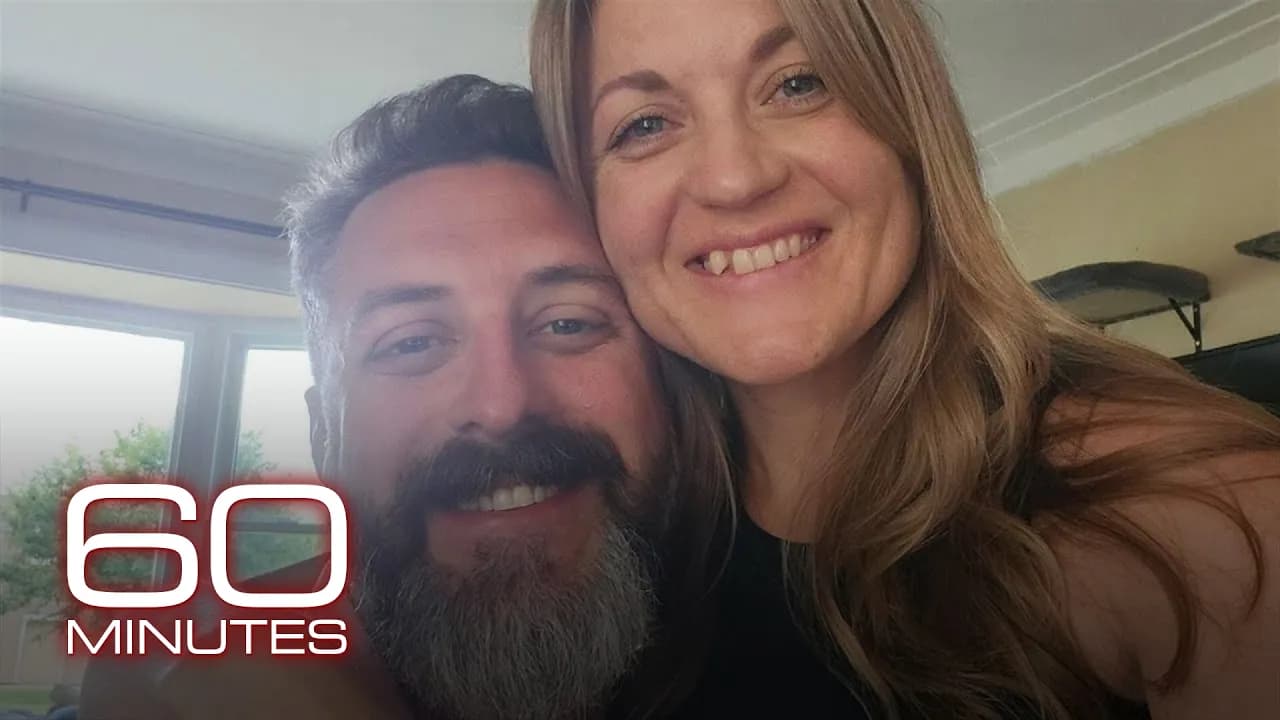
Her husband Joey Amimer stated he has nothing nice to say about the 103rd command, claiming the command handled the situation poorly and that the command killed his wife and the other soldiers. He emphasized this is not political but rather that individuals in the command made choices.
The day after the attack on March 2nd, Secretary of Defense Pete Hegth insisted the troops were well protected, acknowledging that occasionally a "squirter" might make it through and hit a fortified tactical operation center. He noted these are powerful weapons.
In the weeks leading up to the Iran war, the Pentagon moved 90% of its ground forces out of Kuwait and away from Iran, fearing retaliatory strikes. However, some 70 members of the 103rd, which handles logistics, were sent closer to the threat to Port Schuea, a small army outpost about 65 miles from Iran.
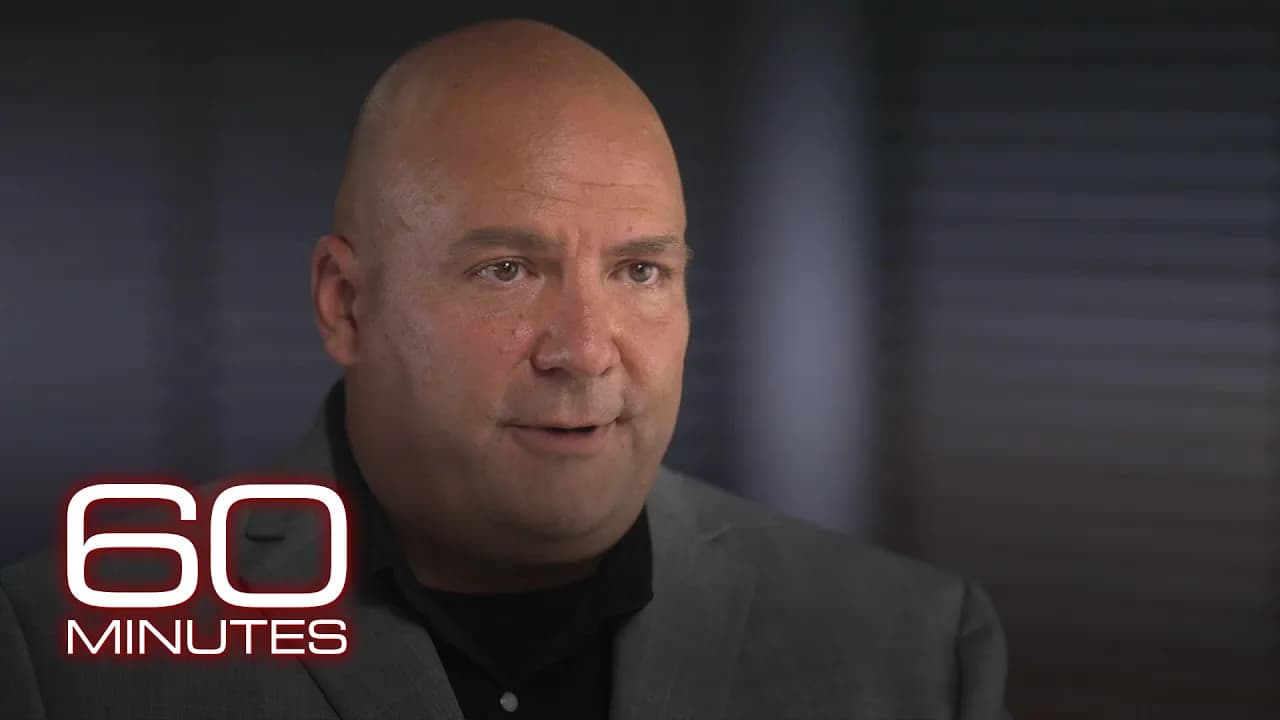
The installation at Port Schuea was described as a "trailer park." Major Steven Ramsbottom, the 103rd's deputy chief of operations and a combat veteran, stated the protection there was designed to stop car bombs and similar threats, with nothing designed to protect from aerial attack.
Iran has developed an arsenal of kamikaze drones. Major Ramsbottom says the threat of a drone attack was well-known and was raised to the unit commander, Brigadier General Clint Barnes, and warned to Major General John Hinsson who oversaw logistics for the US Central Command.
I brought it up in twice in various meetings um basically saying, "Hey, I don't see how we're protected here."
He said, "We don't have to worry about protection."
Major Ramsbottom described this as a tactical failure by the army and leadership, stating they did not plan this well.
Six soldiers reported seeing US intelligence before the war started that put Port Schuea on an Iranian list of targets, with one stating they saw reports with an X marking their location.
In the week before the attack, soldiers requested extra support including a counter-drone system, but it never arrived at Port Schuea. It is unknown if it was ever ordered or requested.
Major Ramsbottom filed a whistleblower complaint to Congress demanding an investigation into why there was no dedicated protection against one-way attack drones. He also claims the site had no physician, no fixed aid station, and only one ambulance.
We did not have the manpower nor the equipment for any kind of a mass casualty incident.
Tanner Carson, one of two civilian medics regularly stationed at the port, was surprised when dozens of soldiers from the 103rd moved in during late February. His concerns included the lack of resources, additional manpower, additional transport capability, and the fact there was no supply cache on site - the only medical supplies were what was in his truck.
Master Sergeant Nicole Amimer specifically asked Carson if there was a mass casualty plan. Carson responded that he had enough supplies to get people to the hospital and keep two people alive at most.
The week before her death, Master Sergeant Amimer told her husband she was worried about her unit's safety - the only time in 15 years he had heard her express such concern. She knew something was coming.
The night the US and Israel killed Iran's Supreme Leader in a joint strike, Iranian quadcopter drones were spotted circling above Port Schuea. Soldiers reported five drones were spotted conducting surveillance. Soldiers were running in and out of nearby bunkers.
Around 9:00 a.m. the next morning, soldiers received the all-clear and went back to their workspace. Approximately 30 minutes later, the Iranian drone hit.
Soldiers described being knocked to the ground, with one comparing it to being hit in the back of the head with a baseball bat. The drone hit the center of the quadruple-wide trailer they were in. New video shows black smoke billowing from the command post.
The scene was described as a mess, with the building destroyed and people laying on the ground, carrying bodies, and limping together. Master Sergeant Amimer was still breathing when soldiers loaded her into an SUV and drove her to a local Kuwaiti hospital. Soldiers were googling hospitals to transport the wounded.
They were googling hospitals to try to take some of the soldiers to. That's absurd.
Among the American soldiers killed were Master Sergeant Noah Teen and Chief Warrant Officer Robert Marzan. Michelle Teen, Noah Teen's widow, was one of the last to be notified because the drone hit them directly. She stated they found his head thanks to dental records, and they had to use DNA to identify him.
The attack on Port Schuea was one of many in the region. Analysis of satellite imagery and new video shows the scale of destruction the Pentagon has never fully disclosed. Since the start of the war, Iran has hit at least 31 US military and diplomatic sites across eight countries, damaging hundreds of buildings and structures from Saudi Arabia to Kuwait to Bahrain, where the headquarters of the US Navy's fifth fleet was destroyed.
Iran's strikes have continued for months, even after President Trump declared victory on April 1st, stating "We've beaten and completely decimated Iran. They are decimated."
Three months later on July 17th, Iranian missiles targeted housing units on a US base in Jordan, killing three more American soldiers.
When American troops are killed in action, fellow soldiers deliver the news. Tina Marzan described seeing soldiers standing outside her home and knowing immediately what it meant. She gathered items for her 13-year-old son including his dad's sweatshirt and an army teddy bear before telling him his daddy wasn't coming home.
Joey Amimer tried to shield their 10-year-old daughter and 18-year-old son from the notification. His daughter didn't understand, and his son said "I know."
And my daughter didn't understand. And my son said, "I know."
What has been like us for us since then has been it's been a nightmare. when your baseline is you wake up and you roll over and your wife's not there and that's your baseline and you know that she's never going to be there again and it's not because she's mad at you. It's because she doesn't exist anymore.
The Gold Star families received military honors and outreach from the Trump administration but don't believe they've gotten the full story. Eight months after the attack, the Pentagon has told them nothing.
What does he deserve for that? The truth. Accountability. Just own it. say something went wrong and we didn't plan right. That's all that I want.
The Pentagon has declined to answer whether the 103rd was denied adequate force protection. The US Army finished its investigation into the attack in June, and families were finally being briefed on the results.
If the Pentagon says the US military did nothing wrong and that this is the cost of war, will you accept that? No. You trust your leadership to put you in the best possible position. And my wife's death I already know is preventable. I will not accept that's the cost of war.
The two generals who allegedly ignored warnings about drone attacks, Major General John Henson and Brigadier General Clint Barnes, did not respond to requests for comment. Army officials briefed Michelle Teen on the results of the Port Schuea investigation, and she stated they did not acknowledge any mistakes.
Keep 60 Minutes in your library
Save the videos and channels worth coming back to, and find them again in one place.