Heart Surgeon: “Your LDL Is 195.” Me: “I Went Carnivore."
In a Nutshell
A heart surgeon analyzed a patient's blood work after 6–8 months on carnivore and declared the results excellent: triglycerides-to-HDL ratio <1, hs-CRP <0.5, A1C and fasting glucose low, indicating optimal metabolic health and negligible cardiovascular risk despite LDL of 195. He contrasted this with the pre-carnivore profile (LDL 59 but triglycerides 145, HDL 60, A1C 6.1), showing that the earlier “good” LDL masked severe insulin resistance and higher actual risk. Dr. Ovadia argues that current lipid-lowering guidelines fail because they ignore metabolic context; instead, he recommends CAC scans starting at age 40 (men) or 50 (women) to directly measure plaque rather than relying on LDL or ApoB numbers.
These notes were generated by AI and may contain inaccuracies.
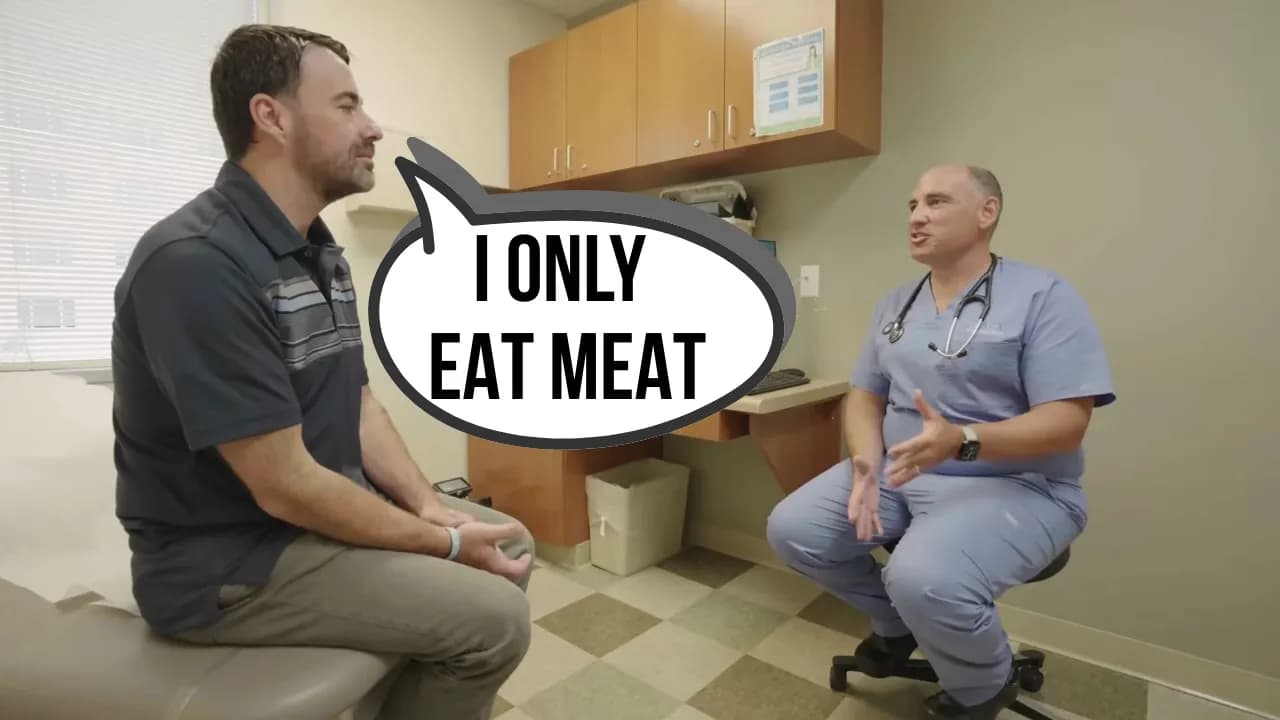
When Carrie got her blood test results after starting the carnivore diet, she was terrified. She waited more than 6 months before getting blood tested after starting the carnivore diet due to her congestive heart failure and various heart problems. She states many viewers who have been on the carnivore diet for 6 months or a year have similar reports. Her doctor wanted to put her on statin medication based on the results.
Dr. Philip Ovadia states that if a chart showing before and after carnivore diet blood work was presented to 100 cardiologists or 100 family physicians, 97 to 99 would choose the previous column as less risky and the next column as more risky. Dr. Ovadia is a board-certified heart surgeon who has performed more than 3,000 heart surgeries in a career spanning over 25 years. He is the author of the books 'Stay Off My Operating Table' and 'Stay Off My Kitchen Table', which made it to the New York Times bestseller list.
Carrie's blood test report was taken after 6 or 8 months of starting the carnivore diet. Dr. Ovadia states these numbers are great and that someone should be happy with such results after 6 months on the carnivore diet. The doctor only sees the three red numbers and does not understand what the rest of the panel means.
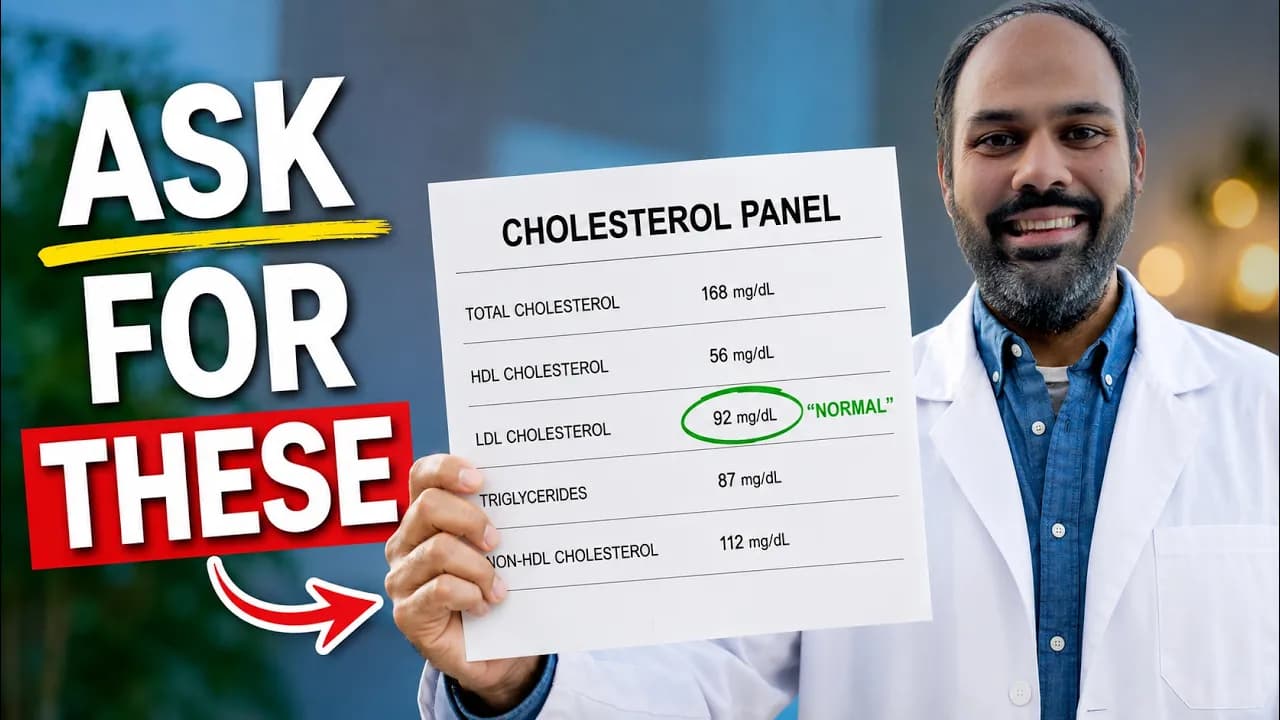
Dr. Ovadia states the first numbers to look at are HDL and triglycerides, specifically the ratio of triglycerides divided by HDL, which was less than one. This indicates being in an optimal metabolic state with no insulin resistance. The report shows excellent low A1C and excellent low fasting glucose levels.
The next metric examined is inflammation via hs-CRP, which was below 0.5. Anything below one is considered excellent for this marker.
Dr. Ovadia notes that the panel is incomplete because it does not test cholesterol quality or LDL particle size. However, these can be assumed to be quite good because HDL is high and triglycerides are low. LDL-C does not really matter when HDL is high and triglycerides are low, and ApoB is not very meaningful in this context.
Dr. Ovadia states that if someone has high HDL, low triglycerides, and is insulin sensitive, the risks associated with LDL-C and ApoB are greatly reduced or even eliminated altogether. More than 90 percent of people have some kind of metabolic disease, which is the main nuance when interpreting blood test results.
Dr. Ovadia presents a contrasting example: a patient with triglycerides at 180, HDL at 30, and LDL at 70. A general cardiologist or family doctor would say this patient is fine because LDL is within guidelines. However, the triglyceride to HDL ratio suggests severe insulin resistance, creating an atherogenic or arteriosclerotic environment with a predominance of small and dense particles. These patients are falsely assured they are fine when they are actually the ones who come to the operating table.
The previous column shows results before starting the carnivore diet where LDL had dropped to 59, which made the doctor very happy. However, triglycerides were 145, HDL was 60, and the ratio was more than two, indicating definite insulin resistance. The A1C was 6.1, confirming insulin resistance. The risk was much higher in the previous column than in the carnivore diet results.
Dr. Ovadia states he has performed operations for 25 years and the only thing that matters is results. The results of lowering cholesterol with medication or by controlling diet have been very disappointing. The approach has failed miserably. His goal is for heart disease to no longer be the number one killer, which it has been for a hundred years, and this cannot be achieved by focusing on lowering lipids.
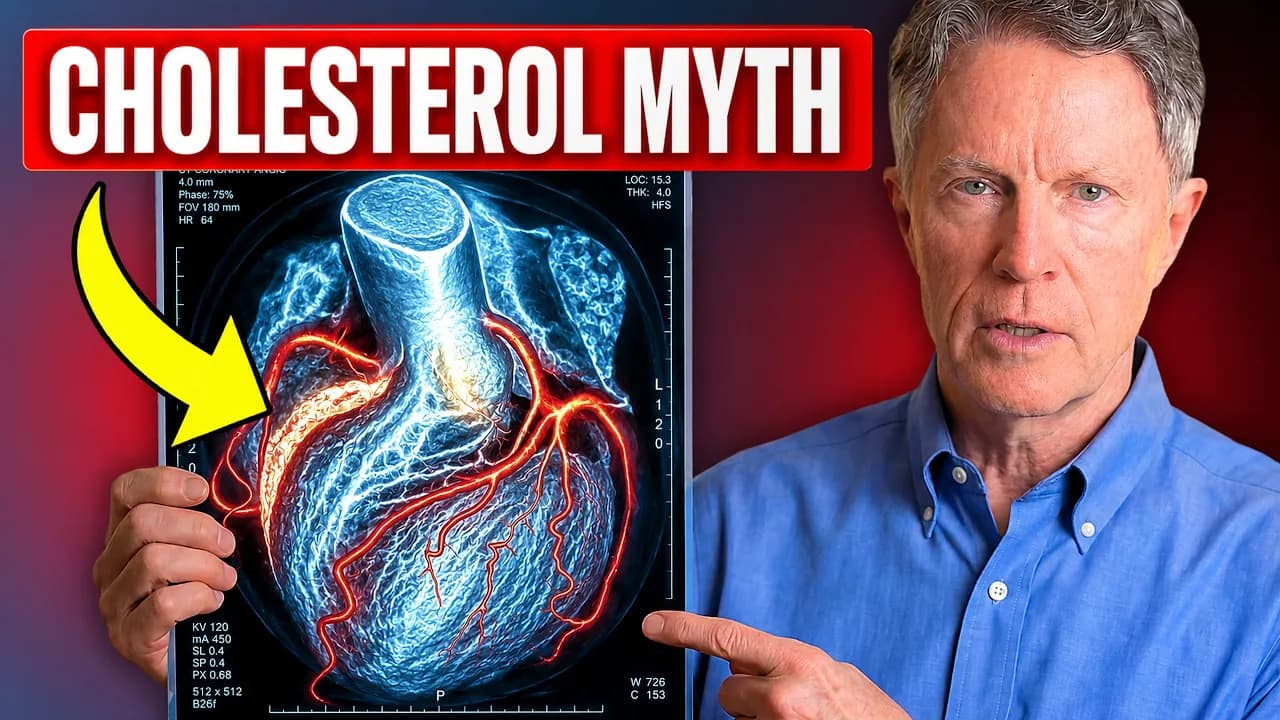
The idea that saturated fat in the diet, especially cholesterol, causes heart disease is completely wrong. Pathologists observed that a person who died of a heart attack had cholesterol in their arteries resembling wax. They concluded that dietary cholesterol gets deposited in blood vessels, causing heart attacks. However, this is not true. Cholesterol accumulates in blood vessels to repair damaged blood vessels, similar to how firefighters arrive at house fires to reduce damage rather than cause it.
An essential test is to check for plaque buildup in the arteries via coronary artery calcium scan to see if there is any calcified plaque in heart arteries. A coronary CT angiogram shows all plaque in arteries, both calcified and non-calcified. Start with a CAC scan.
Men age 40 or older should get a CAC scan. Women age 50 or older should get a CAC scan. Those with metabolic disease, insulin resistance, or family history should get tested earlier. The younger someone is, the more normal it is for their score to be zero. A non-zero score in a young person in their 20s is a big warning sign.
Carrie learned about the CAC scan through Dr. Ovadia approximately two years prior. The scan cost $50 out of pocket without using insurance. The process took only a few minutes and her score came out to be zero.
Dr. Ovadia believes CAC scans are becoming more prevalent and that in 10 years, imaging or scanning will be the primary method to determine who is at risk rather than blood tests.
Dr. Ovadia has a very active telemedicine service across the country and is licensed in all 50 states. He sees patients from all over the country as well as international patients. His website is ifixhearts.com and he can be found on all social media under the name 'I Fix Hearts' including X, YouTube, and Instagram.
Keep HomeSteadHow in your library
Save the videos and channels worth coming back to, and find them again in one place.