How Porn Changes What You Enjoy
In a Nutshell
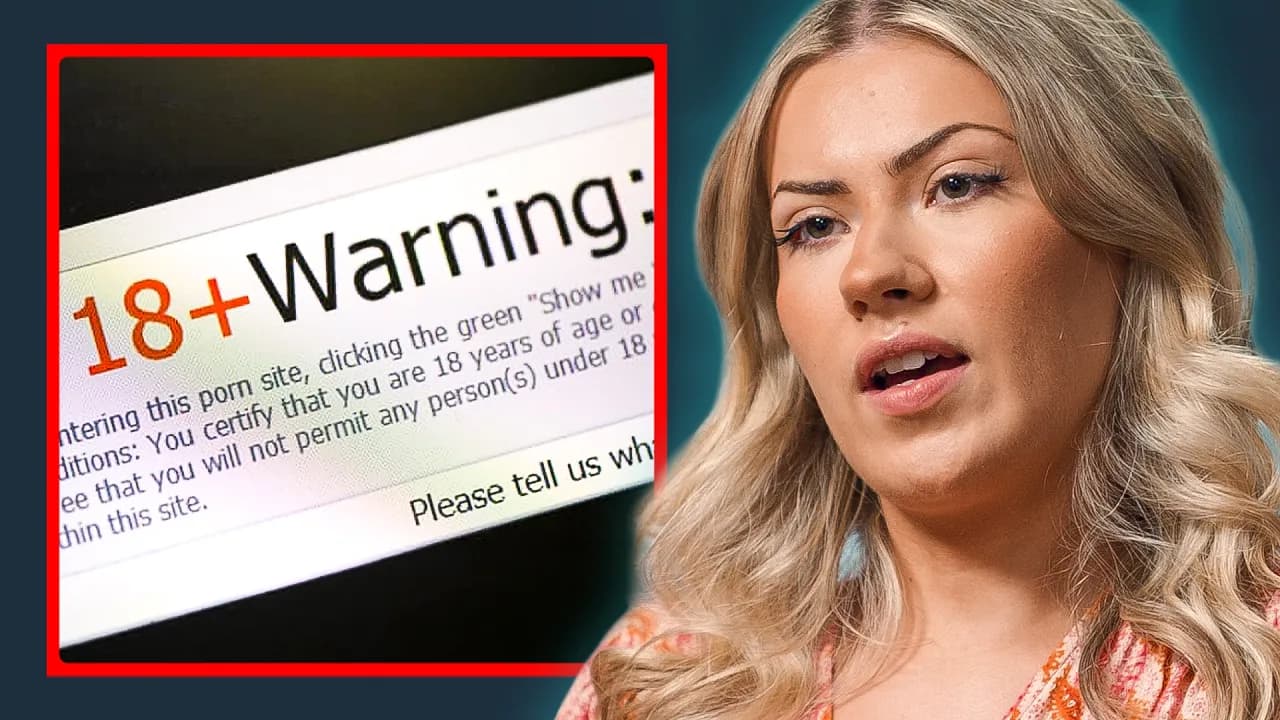
Porn use, especially compulsive viewing, leads to desensitization, habituation, and escalation from vanilla content to extreme categories like teen, violent, or CSAM, driven by dopamine-seeking and neuroplastic brain changes, correlating with depression, anxiety, and hypersexuality risks per studies like Dr. Michael Suter's at University of New South Wales. Recovery is possible through abstinence, as neuroplasticity allows rewiring of damaged pathways, evidenced by personal anecdotes of resensitization after quitting porn or horror movies. Despite debates on "addiction" terminology, thousands report inability to quit, urging caution and resources like *Your Brain on Porn*.
These notes were generated by AI and may contain inaccuracies.
Discussion on whether porn addiction is real, with debate over terminology like addiction, compulsive use, or sexual compulsivity. Thousands of young men in forums report inability to control porn use and seek help. People unable to control it and experiencing detrimental effects need assistance, regardless of label.
Speaker not a brain science expert but focuses on criminal content distribution. Recommends book Your Brain on Porn and organization The Reward Foundation. Neuroscientists studying implications, linking it to depression, anxiety, habituation, and desensitization. Users start with one type of porn, require more novelty for dopamine hit, escalating to more violent or younger content, sometimes leading to consumption of CSAM (child sexual abuse material) despite not starting as pedophiles, via teen categories progressing to extremes.
Speaker initially skeptical of porn addiction equating to drug addiction but changed after learning about PornHub 3-4 years ago. Men report difficulty quitting, desensitization, and harder relationships. Anecdotally, more reports from men than women, though constant dopamine spikes could make it addictive for anyone. Receives messages from young men and women unable to stop despite wanting to; some use awareness of victims as motivation to quit, gaining fortitude.
People seeking help face attacks, hindered by porn industry financial interests. Speaker from super liberal Toronto, previously viewed as personal control issue, now reevaluating.
Speaker obsessed with horror movies as kid, became desensitized, stopped after having baby or quitting antidepressants. After 4 years, first horror movie shocking with blood and gore. Demonstrates human desensitization to content; stopping makes it shocking again.
Neuroplasticity allows brain pathways to bend both ways. Dr. Donald Hilton, brain surgeon investigating porn addiction, explains stopping can retrain pathways, undoing damage—encouraging for recovery. Aligns with speaker's horror movie experience undoing desensitization.
Speaker surprised by emotional response post-antidepressants and break.
Recent research paper from University of New South Wales by Dr. Michael Suter, professor investigating CSAM, shows correlations between daily porn consumers with hypersexuality viewing teen, incest, violent content and acting out on children or consuming real CSAM. Concern for problematic content leading some down that path, though not everyone acts out. Brain is plastic; be careful.
Keep Mikhaila Peterson in your library
Save the videos and channels worth coming back to, and find them again in one place.