How the Top 1% of Learners Use AI to Think Better | Anthropic, Drew Bent
In a Nutshell
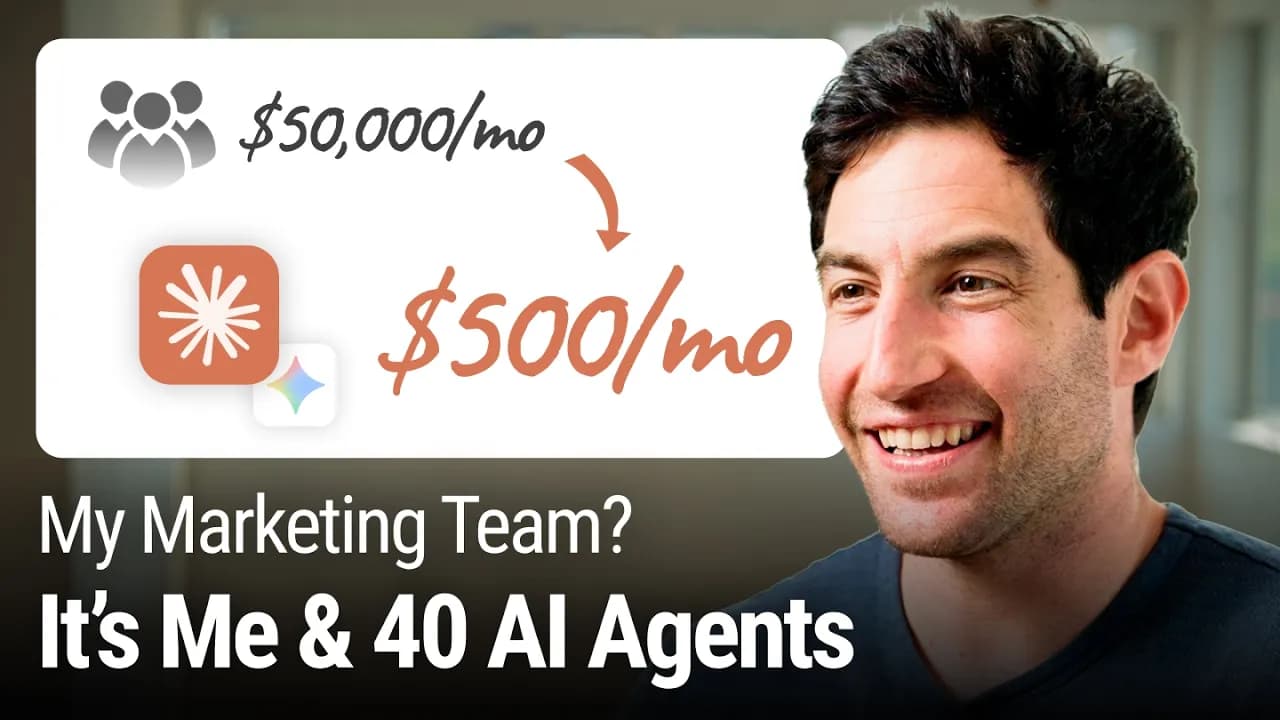
Top 1% AI learners treat AI as evolving collaborators by providing rich context, tackling complex open-ended problems, and experimenting to push limits, avoiding skill atrophy from transactional use—studies show inquiry-style engagement preserves understanding. Elevate ambition beyond basic tasks, scaling personalized education like one-on-one tutoring globally via AI companions that enhance human connections. Master building teams of AI agents as the next essential skill, like Excel, unlocking massive efficiency (e.g., 40 agents for $500/month vs. $50K human team).
These notes were generated by AI and may contain inaccuracies.
AI native people understand current capabilities and treat AI powerfully, unlike 2022 users who see it as a basic assistant. Think like someone who grew up with AI from day one. Step-by-step playbooks made sense last year; now provide more context to AI and let it handle tasks. This is a social skill: treat AI as a colleague or collaborator, not just a technical prompting skill.
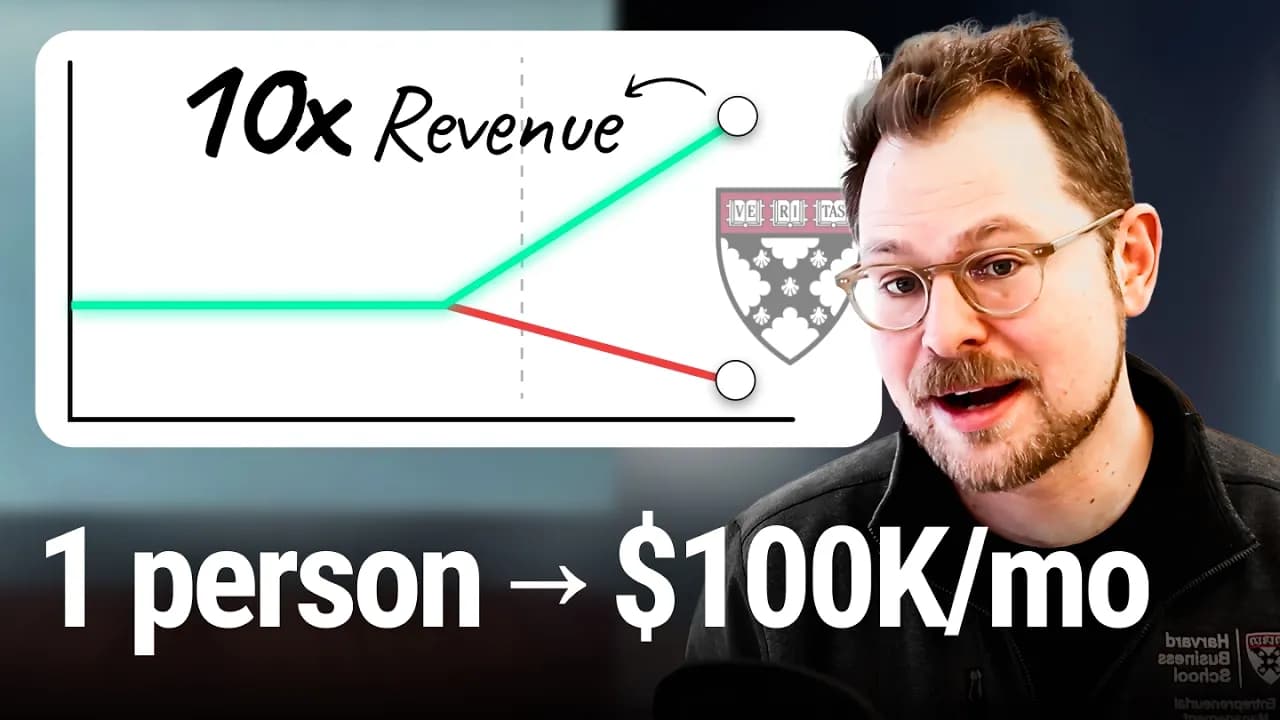
Drew Bent leads education at Anthropic. Career focused on tutoring: parents are educators, loved peer tutoring in school, founded tutoring nonprofit, high school math teacher, now works on AI tutors to scale world-class education globally. One-on-one tutoring was effective but hard to scale; AI enables it for everyone.
People give AI simple problems instead of complex ones. Avoid limiting to last year's model capabilities; observe colleagues using AI powerfully through experimentation. Raise ambition: give AI more latitude for judgment calls instead of handholding.
AI natives in places like Rwanda and India treat AI powerfully without outdated views. New users have an advantage seeing current and future potential. Always elevate ambition as tools improve; push limits to be at the cutting edge when new models release.
Humans struggle with exponential AI improvement, treating it like static colleagues with last month's capabilities. Top users treat AI as evolving from assistant to collaborator, potentially inverting control where AI handles high-level strategy and delegates to humans for taste and agency.
Anthropic study on coding education: two groups did assignment, one with AI, one without. AI group finished quicker, but no-AI group performed 17% better on follow-up assessment without AI, showing better concept understanding from slogging through without help.
Warning: AI risks skill atrophy. Good news: users engaging AI inquiry-style (probing, asking questions) performed well. How you use AI matters—transactional vs. learning to get better.
Avoid going to AI with a specific solution; come with the open-ended problem. Narrow questions yield narrow answers; open problems allow AI to help wrestle with complexity, improving as models advance to 2026.
Misconception: learning only via AI chatbots. Future interfaces will be richer. Example: Claude Code (Anthropic's coding agent) used creatively for learning languages, economics by building memory/context about learner's style, becoming a coach.
Stopwatch activity shows AI sometimes increases task time initially, but expected when pushing limits. Dedicate fraction of time to R&D experimentation to understand tool limits; short-term time loss leads to long-term savings.
AI power depends on context provided—biggest gap between excellent and average users. Before asking, input all context: other documents, company info, questions, stream-of-consciousness thinking. Models synthesize large context well but can't reason without understanding your perspective.
Anthropic data showed top uses: coding/software development and educators/students. Dismaying: often transactional crutch, like homework answers, risking education integrity.
One-on-one tutoring most effective; AI scales personalized learning that's also personal (human interaction, social skills). AI should enhance human-to-human connections, keeping humans central.
Vision for 2030 classroom: invisible tech behind scenes—teachers use AI for personalized lesson plans, grouping; replicates resource-rich private schools everywhere.
WhatsApp group with global teachers sharing AI-built tools (Claude, Claude Code, Claude Artifact): flashcards, formative assessments, custom curricula deployed daily for richer environments.
AI knows school/state curriculum context, personal learner data (not resetting each time). Builds as real companion growing with you.
Knew Sal Khan since high school internship at Khan Academy. Sal started with Skype tutoring cousins; Khan Academy scaled via videos. Schoolhouse: peer-to-peer platform for free global tutoring in math, science, test prep.
Schoolhouse sessions unite diverse students (Russia, Colombia, US, China) sharing school methods, forming connections, making world smaller. Combines AI tutors with human accountability and care.
AI is new species; education taught human interaction, now need AI collaboration skills—social, not just technical prompting (era over). Practice reps: interact like colleague, understand limitations/capabilities.
Future: multifaceted environments with multiple humans and shared AIs.
Have dozens/hundreds of agents working for you. Example: built 40 AI marketing agents at Related App (solo marketer). AI coach weekly analyzes themes/styles for feedback, leading to successful LinkedIn post (1.5M impressions, most comments ever) about the 40 agents.
Jobs like junior content marketer (YouTube to blog) obsolete. High-quality human team: 4 at $12,500/month = $50K/month vs. $500/month AI bill.
Building AI agents fundamental skill defining careers next 30 years, like Excel was last 40 years—a requirement. We're using AI for 1% of potential. AI is way underhyped.
Keep EO in your library
Save the videos and channels worth coming back to, and find them again in one place.