How to Build Up to a 36-Hour Fast | Primal Podcast Clip
In a Nutshell
Dr. J teaches cardiac patients to gradually build metabolic flexibility by progressing from three meals daily to 18:6 fasting, then OMAD, and eventually 36-hour fasts over 6-8 weeks. Insulin must drop significantly for fat mobilization and ketone production to occur, which requires behavioral change since no medication can achieve this. Patients monitor ketones via urine strips or devices, take electrolytes during extended fasts, and typically see major improvements in blood pressure, insulin levels, and inflammation as visceral fat decreases.
These notes were generated by AI and may contain inaccuracies.
This is a behavioral thing which you can do and you have to bring that on you and you deserve to do it otherwise you'll be back on my cath lab table with another stent or worse still you'll have to go for bypass surgery fast your sleep apnea will get better and your insulin levels will come down what'll happen to your blood pressure it'll come way down you want to get off blood pressure medications this is the way to do it.
Dr. J does a questionnaire to understand current eating patterns. He asks how often patients eat, whether they have breakfast, snacks, lunch, mid-afternoon snacks, and dinner, including specific times. He needs to know how many times they're eating and what they're eating, taking a full detailed history.
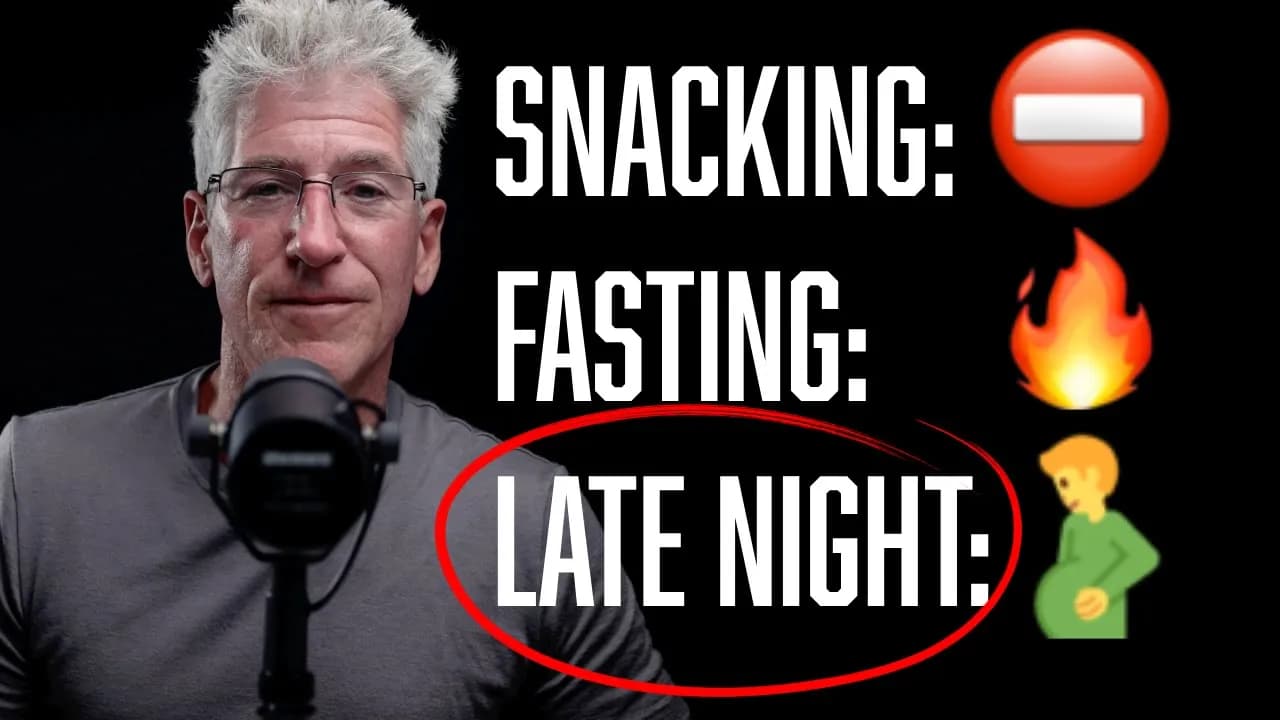
The first step is to stop snacking between meals. If a patient is eating five times daily, they reduce to three meals a day for about a week or two weeks.
After establishing three meals daily, patients drop one meal per day. The patient chooses which meal to eliminate based on what's best for them - Dr. J is not dogmatic about dropping breakfast or dinner specifically. The key proviso is having the second meal within 6 hours to avoid 12-hour gaps between meals.
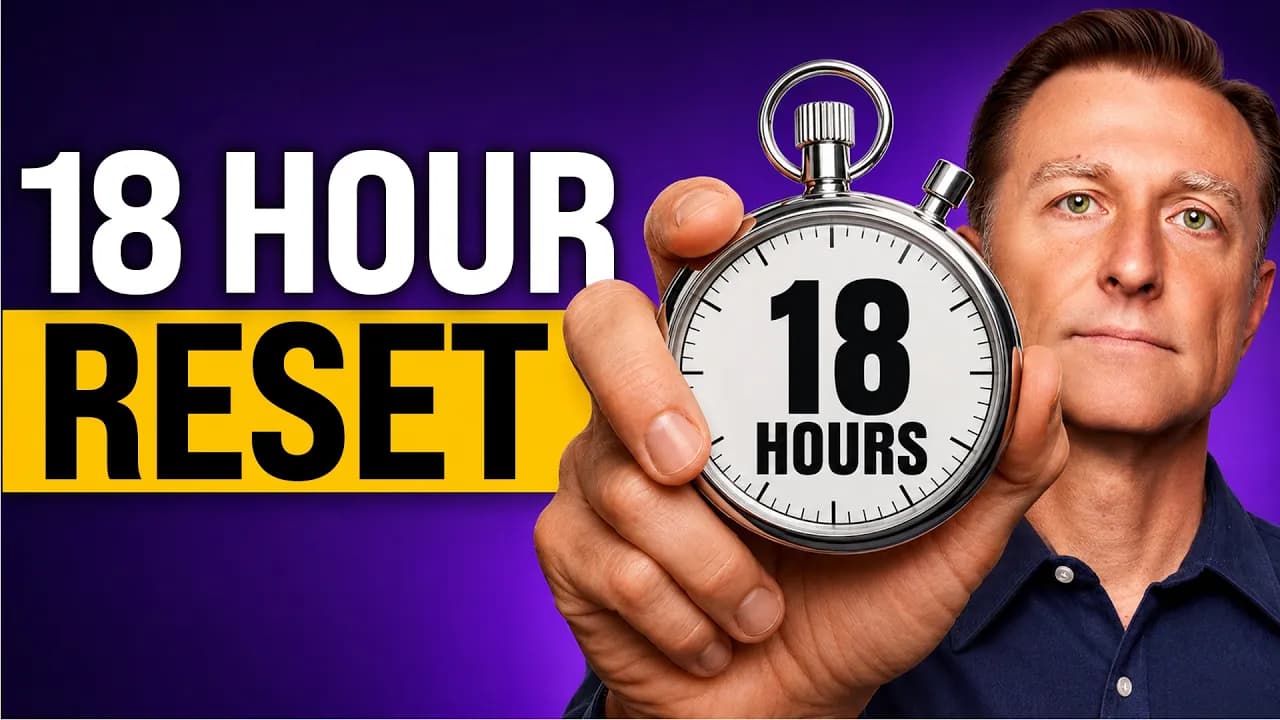
Dr. J prefers moving to 18-hour fasting because this timeframe produces visible changes in the body. If patients cannot go beyond 12 hours, he allows two meals a day for 2-3 weeks.
The process requires breaking lifetime habits slowly. Dr. J notes that inability to break eating habits indicates addiction, similar to a Pavlovian response where people eat at certain times without actual hunger. Most patients report they weren't truly hungry when eating - they ate because it was mealtime.
This process takes approximately one month to six weeks. Cardiac patients should not immediately attempt a 36-hour fast - they must work into it gradually.
Metabolic flexibility means the body's ability to switch between glucose and ketones as energy sources. When glucose and insulin levels decrease, ketones should provide energy from fat stores. However, fat mobilization only occurs when insulin levels are low.
The process involves: fat stores releasing triglycerides into the bloodstream, liver converting triglycerides to ketones, and ketones being distributed throughout the body for energy. This creates the ability to run on either glucose or ketones.
People have been designed to store and access fat as an energy source, but constant high insulin levels from frequent eating make fat stores inaccessible. There is no drug that can bring insulin levels down significantly - this requires behavioral changes through fasting.
Dr. J emphasizes that patients deserve to do this to avoid returning for additional stents or bypass surgery.
After 18 hours, average patients show increased ketone levels. Dr. J provides ketone strips for motivation - patients check urine at 18 hours and see ketones developing. The most obese patients with visceral fat may not produce ketones until 30 hours.
Patients who don't produce ketones early must do more prolonged fasting. Dr. J recommends progressing from two meals daily to 18:6 fasting (18 hours fasting, 6-hour eating window).
In the 18:6 protocol, patients skip breakfast, have lunch, then dinner within a 6-hour window. A small snack is acceptable within the eating window if needed. During the 18-hour fasting period, the body activates its alternative fuel source by mobilizing fat stores.
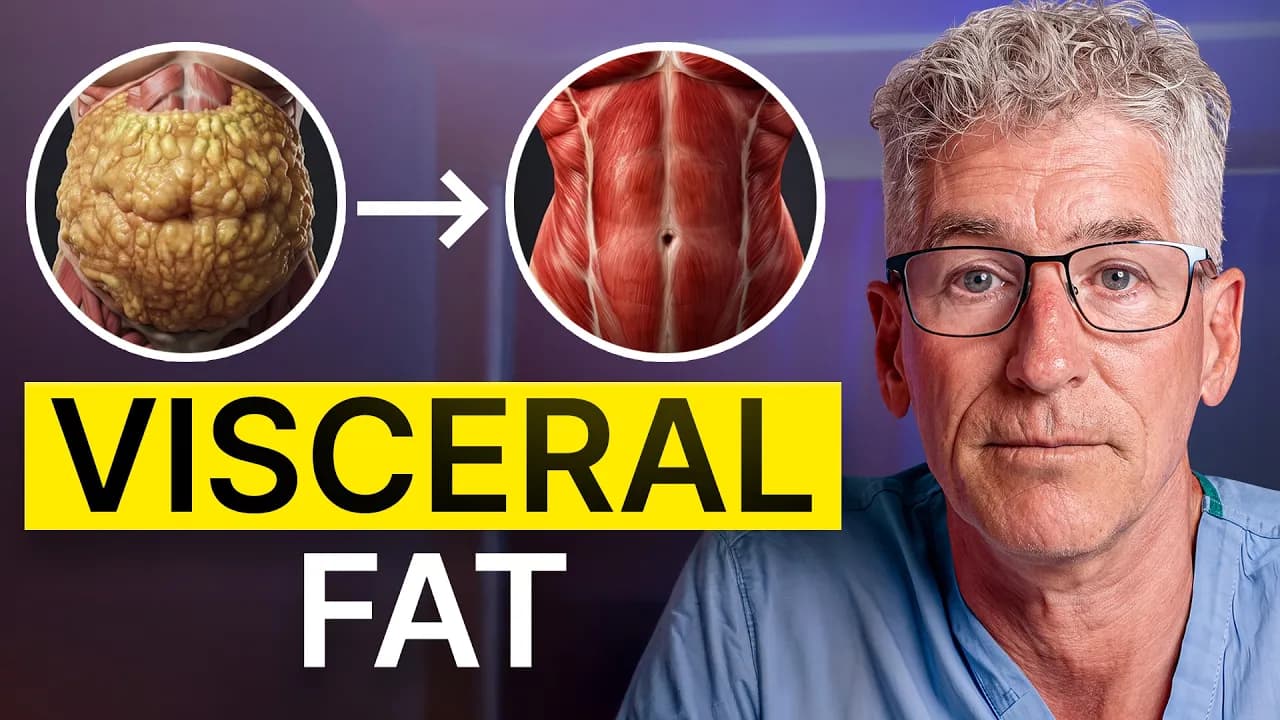
Fat cells store toxins and become dysfunctional when enlarged, secreting cytokines that contribute to inflammation. Fasting causes fat cells to shrink, reducing inflammation.
Successful patients educate themselves about bodily processes, visualize what's happening internally, and become partners in their treatment. After maintaining 18:6 for approximately 3 weeks, patients drop another meal three times weekly (Monday, Wednesday, Friday) - this is called OMAD (one meal a day).
After two weeks of this pattern, patients do OMAD Monday-Friday and two meals on weekends to accommodate social situations.
Progress continues until patients reach their goals: reducing visceral fat, lowering insulin levels, decreasing A1C, improving blood glucose, and enhancing insulin sensitivity. These can be measured through scales, continuous glucose monitoring, and blood tests.
After approximately two months, patients see measurable effects from these lifetime habit changes.
Ketones are monitored through urine strips or devices like the Mojo meter. Anti-inflammatory effects are confirmed through decreasing CRP, interleukin-6, tumor necrosis factor, and ferritin levels. LDL particle sizes improve, and patients report enhanced mental clarity with increased brain-derived neurotrophic factors and stem cell mobilization.
Once patients successfully maintain OMAD, they progress to three-day water fasts. This is only attempted after patients have built metabolic flexibility through gradual progression.
Tips for successful water fasting include: taking electrolytes once daily (such as Element or 1/4 teaspoon pink salt in water), consuming one tablespoon MCT oil when experiencing intense hunger, and drinking black tea, black coffee, green tea, and plenty of water.
Behavioral modifications include avoiding triggers and people who might disrupt the fast. The first day is typically hardest, the second may be challenging, but many patients report feeling amazing on the third day.
Patients can progress to five-day and seven-day water fasts depending on their goals. Seven-day fasts are performed regularly - people won't die from a seven-day water fast because they have sufficient stored nutrients and calories.
Success requires maintaining fluids and having primed ketogenesis beforehand. Without proper preparation, patients may experience keto flu - feeling miserable when glucose is depleted but ketones haven't activated.
Essential tools include ketone sticks or Mojo devices, necessary supplements, and continuous glucose monitoring for at least a month. Reactive hypoglycemia from hyperinsulinemia can cause severe symptoms during fasting.
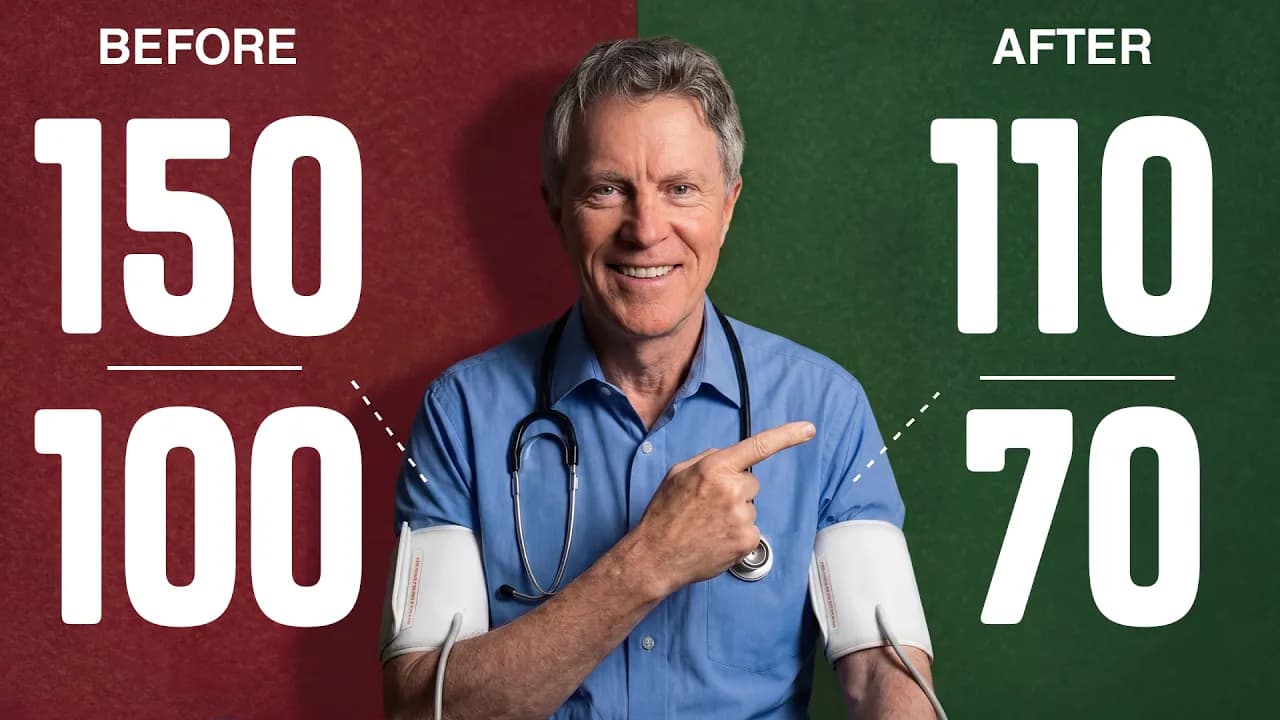
For fasts exceeding seven days, patients should have electrolyte blood tests checking sodium, potassium, and creatinine levels. Blood pressure medications often need reduction as insulin levels decrease, since insulin acts as a vasoconstrictor.
There is no such thing as essential hypertension requiring lifelong medication in most cases. When patients in their 40s and 50s present with hypertension, Dr. J looks for sleep apnea or hyperinsulinemia as primary causes. Fasting improves sleep apnea and lowers insulin, which significantly reduces blood pressure.
Nine out of ten patients can discontinue blood pressure medications through these lifestyle changes, with less than 10% requiring ongoing medication.
Keep Dr. Pradip Jamnadas, MD in your library
Save the videos and channels worth coming back to, and find them again in one place.