How To Get Healthy Part 1 — Dr. Sean O' Mara
These notes were generated by AI and may contain inaccuracies.
Dr. Sean O'Mara has researched the ketogenic lifestyle to become healthier. Getting optimally healthy is exciting. As a practicing physician for 18 years trained in emergency medicine, he didn't initially grasp optimizing health. Improving health led to better performance and life, fueling his passion to share it.
He has Asperger's, associated with diet, particularly in utero. Autism links to parental diet. Asperger's makes him intense and poor at reading social cues but excellent at measuring changes in the body, even after two weeks apart. This aids learning but challenges delivery. Wife advises smiling and laughing more; humor is weak, but content has value—focus on that.
Wasn't always healthy; became overweight after army break in 2005, determined not to be out-of-shape ex-army guy. Wife (described as a little plump) and he started ketogenic paleo lifestyle in 2010-2011. She transformed; after one year, all cellulite in legs gone. After eight years ketogenic, he achieved lean physique shown in photo.
Averaged exercising 5 minutes a day, once every 5 days over eight years. Healthy eating dramatically changes body. Exercise is unconventional: nature-inspired, intense 5-minute bursts mimicking animal fights (kill/eat/compete). High intensity, short duration; mix it up with variety like nature—no rigid programs. Sometimes exercises days in row, sometimes longer breaks.
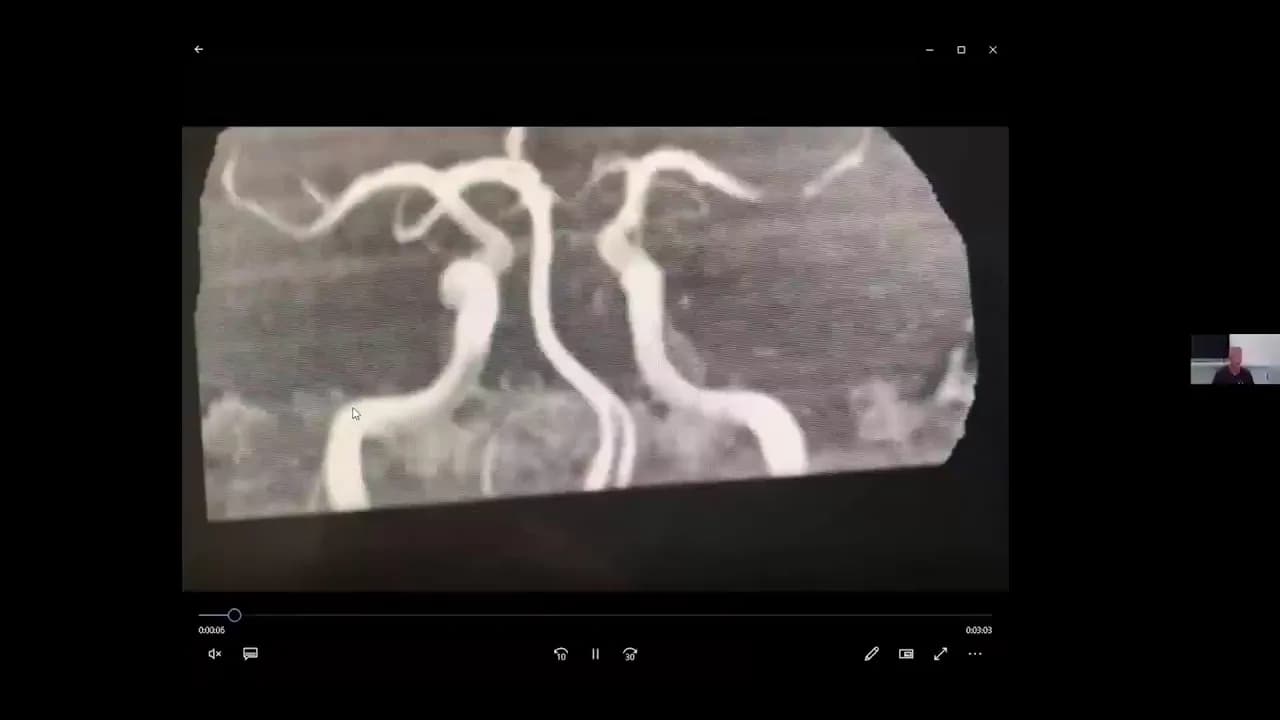
As army-trained ER trauma physician at Brook Army Medical Center, San Antonio, Texas, saw all trauma: heart attacks, strokes, stabbings, MVAs. Ignored prevention as boring. Saw stroke patients: acute paralysis, inability to talk/understand—devastating. Six months later, in nursing/rehab, head down, no eye contact, resigned to no change.
Atherosclerotic cardiovascular disease causing strokes/heart attacks is #1 killer in America.
Everyone has chance to change; those patients would give anything for another life. Body is most valuable asset. Strategies to minimize chronic disease start with healthy diet.
30,000 years ago, health dictated survival via selection pressure (hunt/gather, flee predators). Now gone; average lifespan 77.9-78 years, but quality impaired. Healthcare fails quality of life: treat disease with meds/stents, but poor outcomes. Leads to chronic obesity, diabetes.
Genes unchanged from hunter-gatherer ancestors. Effective hunter-gatherers live longer/healthier today. Shift from vocational thriving (best attorney/electrician/firefighter) to biological thriving—improves all roles (job, spouse, etc.). Past: survival of fittest + resilient (work harder in harsh conditions). Today: survival of the analyst—analyze diet/lifestyle pluses/minuses for health advantages. Social media educates where healthcare fails.
Proud of son (after 8 years in ketogenic home) switching to high-fat low-carb; rare for youth—encourage others early.
Uses MRI to track internal changes; externally notes muscle wasting/atrophy. Healthier choices prevent this. Muscle tone crucial. Example: "lunch lady arms" atrophy vs. Mark Sisson (68, keto long-term, read The Primal Blueprint, no atrophy). Ketogenic diet increases blood flow to preserve tissues.
Processed/simple carbs (grains, breads, ice cream, crackers) spike blood sugar fast → insulin rise → reactive oxygen species → inflammation → chronic disease. Complex carbs (cauliflower, broccoli) slower. Shift to protein (lower blood sugar impact) and healthy fats: olive oil, avocado oil, raw organic cold-pressed coconut oil, grass-fed butter/ghee, healthy animal fat from game meat or grass-fed bison (prefer over regular if affordable).
30,000 years ago, hunted healthiest animals (e.g., buck over limping heifer) for optimal nutrition.
Glucose: quick/dirty energy like water newspaper (burns with inflammation). Ketones: sustained, clean.
Conventional MDs (including himself) focus on profit/drugs: cholesterol, weight, BMI, LDL. Cholesterol noisy/distraction—no one says it changed their life. Divide info: signal (works) vs. noise.
Research practice in Plymouth (Minneapolis suburbs) since ~8 years ago: MRI scans (no radiation) on 4,000+ patients for earliest disease markers like visceral fat. National Science Foundation grant for reversing chronic disease. Best results from motivated patients.
If it doesn't get measured, it doesn't get fixed.
Show enemy inside body to drive changes. Offers 2 MRIs for $150 (vs. avg $2,200)—research-focused, not profit.
Abdominal MRI: white=fat; red=painted visceral fat (enemy, causes disease—eliminate all); yellow=subcutaneous. Anatomy: rectus spinae, psoas, vertebral body, six-pack, belly button, obliques.
His/partner Dr. CJ Zheng's scans (both 31" waists initially): partner had visceral fat from rice; marbling (fat in muscle) like grain-fed steak. Grass-fed steak: less marbling/inflammation. Advocates grass-fed/game meat.
Keep Sean OMara, MD JD, Health & Performance Optimizing in your library
Save the videos and channels worth coming back to, and find them again in one place.