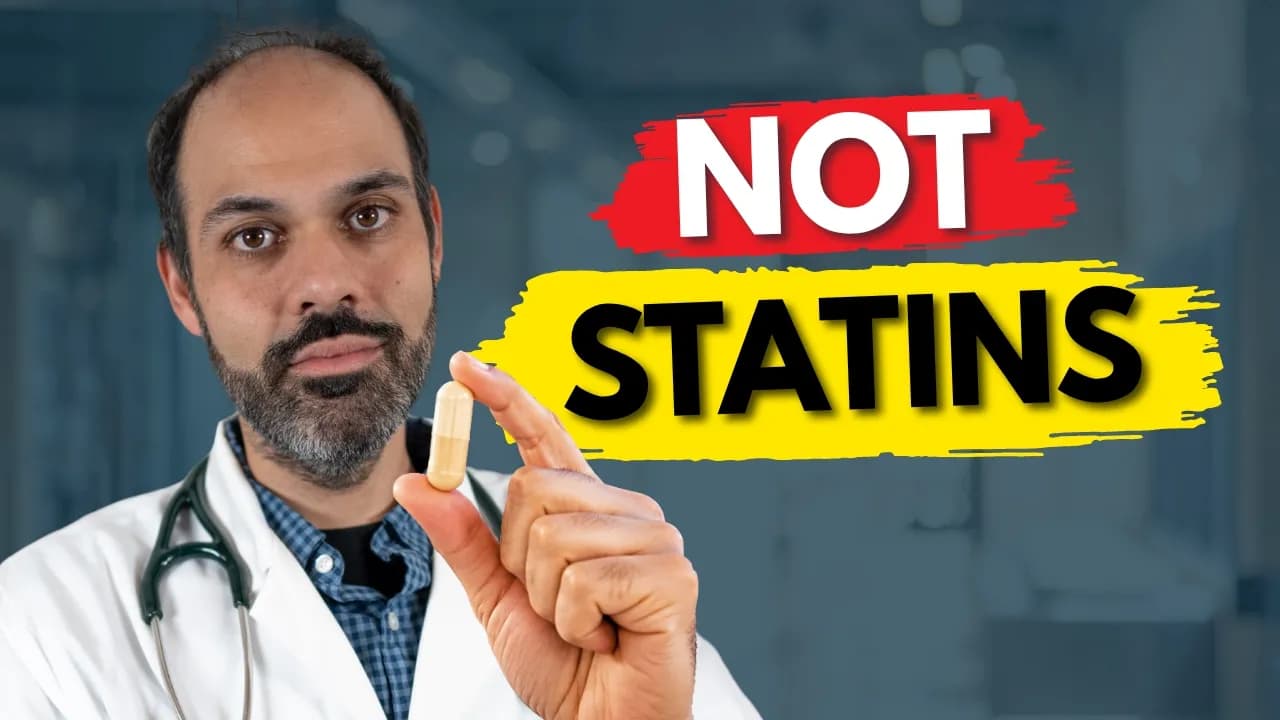
I Changed My Mind on Cholesterol Medications (After 7 Years)
In a Nutshell
After 7 years of refusing statins despite total cholesterol over 700 and LDL near 600—caused by keto-induced lipid energy model in a lean, metabolically healthy body—the speaker now starts ezetimibe and bempedoic acid, not for heart risk, but for their proven neuroprotective effects against Alzheimer's due to carrying two APOE4 gene copies. These drugs reduce amyloid buildup, tau aggregation, and improve brain autophagy independently of cholesterol-lowering. Upcoming coronary CT angiography will test if extreme cholesterol clogged arteries; key lesson: probe mechanisms, embrace uncertainty, and prioritize holistic risk-benefit over rigid guidelines.
These notes were generated by AI and may contain inaccuracies.
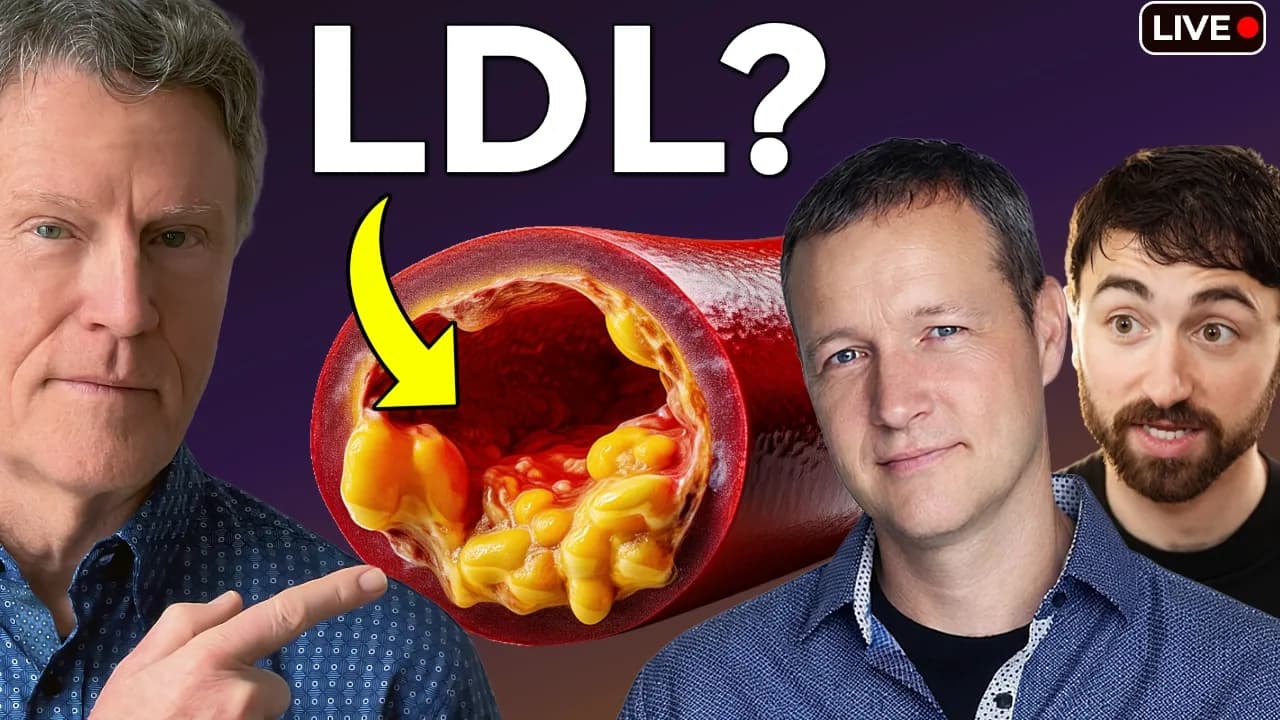
With unmedicated cholesterol over 700 and LDL cholesterol of 574, most doctors never see these numbers. Context: flagged high around 130; 190 raises concern for genetic condition; 300 is alarming; 500 prompts immediate statins or dire warnings. Total over 700 with LDL near 600 is medical case report level, with several case reports on the speaker. Doctors initially thought lab typo. For nearly 7 years, refused medication, tried some experimentally for no more than 6 weeks, experienced unpleasant side effects like with statins: "But I just feel terrible. Just feels."
Ruthlessly chastised for recklessness; Harvard Medical School peer said dumber than riding motorcycle drunk without helmet. Textbooks say 30-year-old with these levels should be dead. Initially terrified, thought early grave, but intensely curious: why so high, what does it mean?
After years of scrutiny, chastised by colleagues, fired by doctors, mocked for refusing statins, changing tone: starting two cholesterol-lowering medications. Not a stunt; not for heart health, but brain health.
Four chapters:
- Chapter 1: 700 cholesterol and not a lab error – initial reaction.
- Chapter 2: Why refused medications for 7 years.
- Chapter 3: Plot twist – what changed, why reconsidering. Three plot twists: (1) taking cholesterol-lowering meds; (2) why (not clear-cut); (3) wait and see.
- Chapter 4: How to think when guidelines don't fit – case study in difficult medical decisions, transparent lens into thinking process.
June 1st, 2019: adopted ketogenic diet, life-saving for debilitating ulcerative colitis affecting body, social life, career, mental health. Example: days before college graduation, didn't eat to avoid pooping blood on stage during valedictory address to 11,000 people (stood at same stump as Roger Federer): "Even a bad decision can be a good decision so long as you learn from it." Gave self dining hall coffee enema; wrecked with anxiety.
Worse in Oxford PhD: in/out intensive care, literally dying. Keto induced biopsy-proven remission, but normal cholesterol exploded to over 700, rivaling homozygous familial hypercholesterolemia (1 in 1 million deadly genetic condition). Parents MDPhDs; knew implications, all terrified like ALS/Huntington's diagnosis.
No genetic condition; prior normal levels until carb restriction. Mechanism: lipid energy model (studied with colleagues, 2022 paper). In lean, insulin-sensitive on low-carb/keto: ramps fat metabolism, massive increase in fat-based fuel transport via bloodstream, sharp cholesterol rise. Leaner, more active = higher cholesterol; dynamic adaptive response to metabolic demands/lifestyle, not necessarily pathological.
If mechanism different, risk profile/heart health likely different; cause matters in biology. Analogy: tall from tall parents vs. brain tumor secreting growth hormone – same height, different outcomes.
Biological outlier: medicine lacks clear answers. Possible massive risk: heart attack/death by 30 (many cardiologists said dead by now), but medicating has risks. Statins: impair mitochondrial function, worsen insulin resistance, increase diabetes risk, slash GLP-1 levels, long-term muscle damage/loss. Self-experiment: statins impaired exercise: "And I'm gassed. I'm having these pains in my legs, but I just feel terrible. Just feels." Negative quality of life impact; self-randomized crossover trial.
Evidence for statins from metabolically unhealthy; benefits shrink in healthier, non-existent for near-optimal metabolic health like speaker (no dysfunction). Risks real. Conundrum: uncertain benefits, known/uncertain risks. No decision is a decision; relied on biochemistry/medicine background, deep research, mechanisms, holistic risk-benefit. Not convinced meds help more than harm – until now.
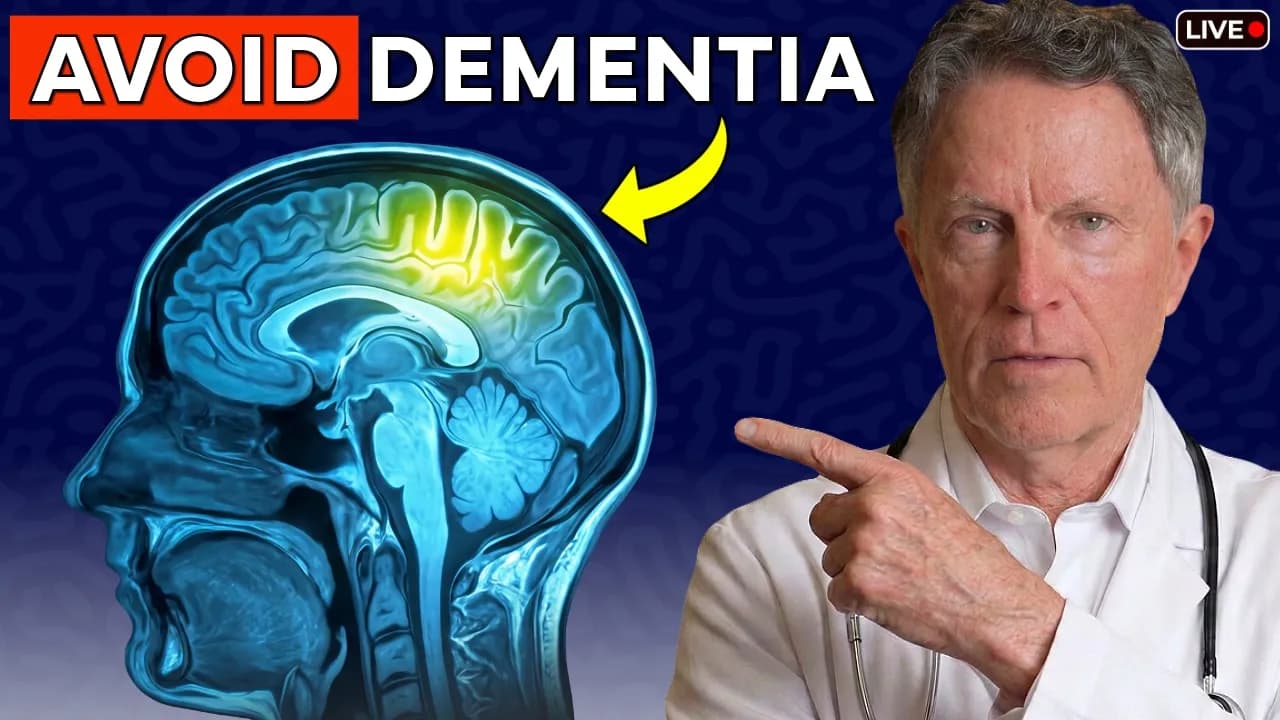
Carries two copies APOE4 gene variant: 10-15x increased Alzheimer's risk; close attention to interventions. Two non-statin cholesterol-lowers: ezetimibe and bempedoic acid – neuroprotective benefits independent of cholesterol.
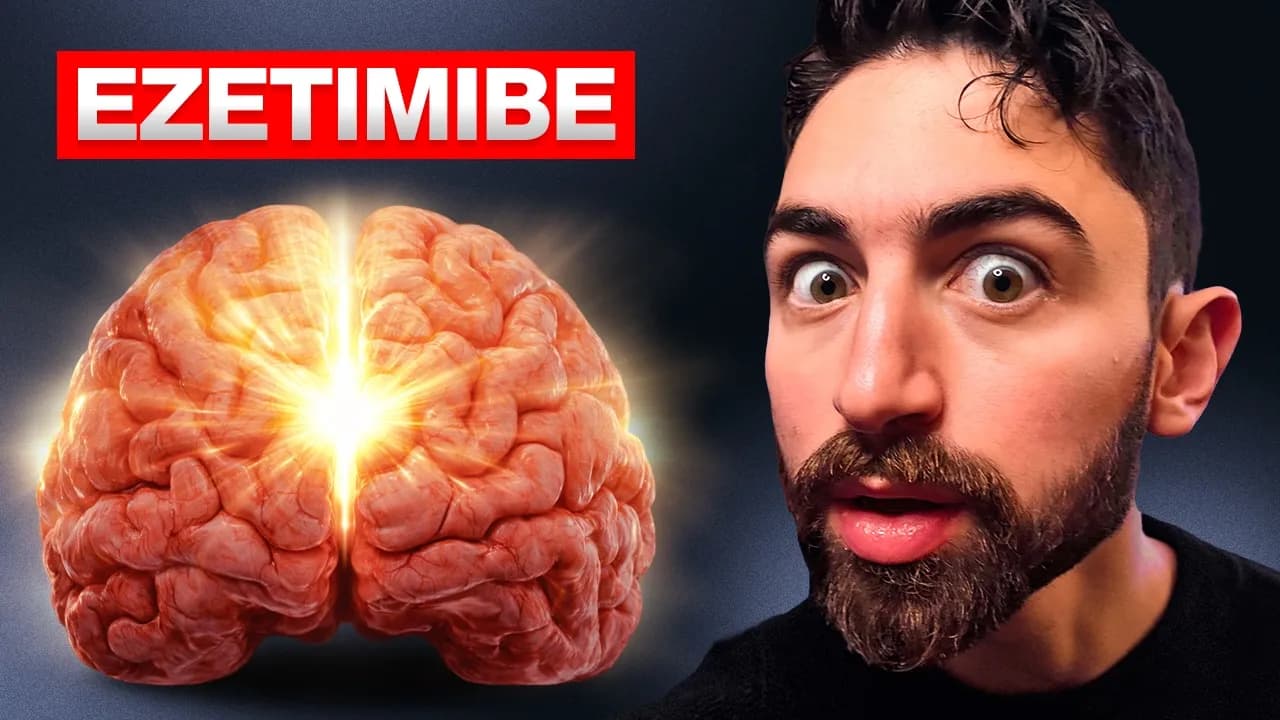
Ezetimibe (Zetia): blocks gut cholesterol absorption, lowers LDL; crosses blood-brain barrier, blocks 14-3-3/hexokinase interaction, reduces protein misfolding, amyloid buildup, tau aggregation (Alzheimer's hallmarks), improves brain autophagy 40% (cell culture). Human data: 8-fold lower Alzheimer's risk (early, not RCT). Compelling for genetics.
Bempedoic acid (Nexletol): prodrug activated in liver (less systemic exposure/side effects vs. statins); self-tried, lowered LDL 28%. New study (May 2026, Cell Metabolism): inactive prodrug active, binds/activates PPAR-alpha transcription factor; regulates amyloid processing in brain to neuroprotective anti-amyloidogenic pathway.
Cholesterol coincidence: brain benefits unrelated to cholesterol-lowering (side effect). Molecules don't respect categories. Proof: after weeks monotherapy, LDL 56% reduction, ApoB drop.
Analogy: spoon as pea catapult lifelong, then discover eats soup – resist narrow categories, open mind.
Self-pat: agonized over concepts, hundreds hours literature (privilege most physicians lack time for). Hard process; enjoy wrestling: what true, missing, better questions.
Soundbites won't save; raised trusting institutions/experts (son of two MDPhDs), but guidelines didn't fit. Realized: need motivation to think responsibly, even if not expert – courage, not arrogance.
Medicine thrives in uncertainty, complex trade-offs (heart/brain health). No one makes perfect decision. Framework for how to think:
- Start with mechanisms: ask why marker elevated.
- Health risk not one number; interactions of diet, lifestyle, context.
- Rigorous but open; evidence evolves.
- Don't confuse lack of certainty for lack of responsibility.
Challenge: see uncertainty, stay curious (like initial terror + fierce curiosity) – superpower.
7-year natural experiment: total cholesterol ~700, LDL ~500, ApoB off charts; textbooks say heart clogged. Getting advanced coronary CT angiography with expert/AI-guided plaque quantification to mm³. Find out if high cholesterol killing or textbooks wrong. Stay tuned.
Keep Nick Norwitz in your library
Save the videos and channels worth coming back to, and find them again in one place.