Inside the 29 minutes that captured 9/11: CBS News cameraman reflects on what he saw at Ground Zero
In a Nutshell
CBS cameraman Mark Leganga captured 29 minutes of raw footage starting at the moment the South Tower fell, walking directly into Ground Zero without realizing the building was gone. He filmed firefighters’ safety alarms, a wheelchair rescue from the 68th floor, and the North Tower’s collapse while still rolling tape. The single beta tape records the instant chaos, dust blackout, and Leganga’s later reflection that his job was to document—not intervene—during the event.
These notes were generated by AI and may contain inaccuracies.
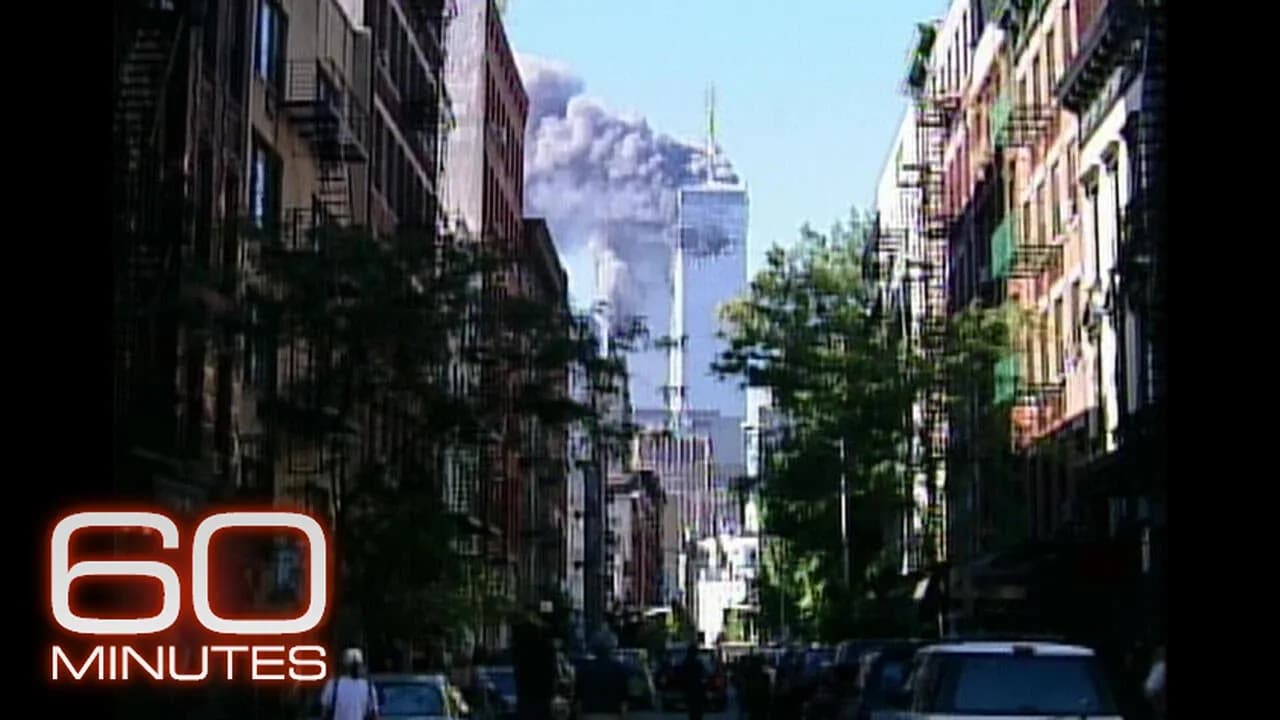
The South Tower collapsed at 9:59 a.m. Mark Leganga began filming at 10:00 a.m. He had no idea that the building had collapsed and was unsure if others around him knew either. He observed people running and initially believed part of the building had collapsed.
Mark Leganga is a camera person at CBS News who was filming on 9/11. The broadcast reported a plane crash on the southern tip of Manhattan at 8:52 a.m. Leganga was in the shower when his landline rang, followed by his pager and cell phone. The only information available was that a small plane had crashed into a building in lower Manhattan. He and Bo Whites, the sound person, were dispatched to lower Manhattan.
Bo Whites took still photos while Leganga filmed. They could see smoke and debris, indicating something significant was occurring. Leganga decided to proceed alone rather than with the sound person to move more quickly, leaving Bo with the vehicle.
Leganga explained that journalists are present to document events and the only way to see what was happening was to get closer. He stated there was no fear in his mind about walking forward. The environment was described as having very little color due to dust from the South Tower, appearing almost like a gray desert where it was difficult to orient oneself.
Leganga did not initially realize that a tower was missing. He did not register that all the debris, dust, and gray material on the ground was from the collapsed tower. He was positioned at the base of the North Tower looking up, observing fires from where the plane had crashed into it.
A memorable sound was the beeping of alarms. These alarms were worn by firefighters and activated only if they remained stationary for a certain period of time, serving as a safety device to alert others that a firefighter was down.
A survivor from the 81st floor described the experience: there were 40 people in the office when an explosion occurred with a light flash visible from the window. The office doorway blew open. The survivor instructed everyone to calm down and move to the center of the office.
Mark Leganga met Mike Benfonte moments after Benfonte had carried a woman down 68 floors in a wheelchair to save her life. Benfonte encountered the woman in a wheelchair around the 68th floor, strapped her into the wheelchair, and carried her down the steps. They became lost on the fifth floor amid the chaos.
While walking and filming near the West Side Highway, Leganga heard what he initially thought were jets flying overhead. When he tilted his camera upward to film, he realized it was not jets but the North Tower collapsing. Everything happened very quickly with no time to fully comprehend the events. Leganga continued filming during the collapse rather than stepping back.
After the collapse, there was a blackout condition lasting an uncertain duration. When the dust settled, Leganga wiped off his camera lens. A 69-year-old man who had been hit in the forehead by debris noted that he still had a scar from the impact.
Leganga observed that 9/11 changed how people interacted with each other in New York City, at least temporarily. The city gained a reputation for genuine concern among residents following the tower collapses, altering the typical New York demeanor.
Leganga avoided watching the footage for a long time and avoided much of the story coverage afterward. He expressed some guilt about filming while others were saving lives that day. However, he maintained that his role was to capture real moments without interfering, which was the purpose of being present.
The recording was made on beta tapes, which were 30 minutes long. Leganga began filming immediately after the first tower collapsed and stopped shooting after 29 minutes. All events occurred within a single beta tape. The footage captured chaos, the collapse of the twin towers, and what Leganga described as "Armageddon right here."
Keep 60 Minutes in your library
Save the videos and channels worth coming back to, and find them again in one place.