Inside the 29 minutes that captured 9/11: CBS News cameraman reflects on what he saw at Ground Zero
In a Nutshell
CBS cameraman Mark LaGanga filmed the 29 minutes between the South Tower and North Tower collapses at Ground Zero on a single tape. He captured the dust-covered landscape, firefighter rescue operations, and the North Tower collapse itself while sustaining a head injury from debris. The footage documents the chaos, survivor accounts, and the temporary shift in New Yorkers' social behavior during the attacks.
These notes were generated by AI and may contain inaccuracies.
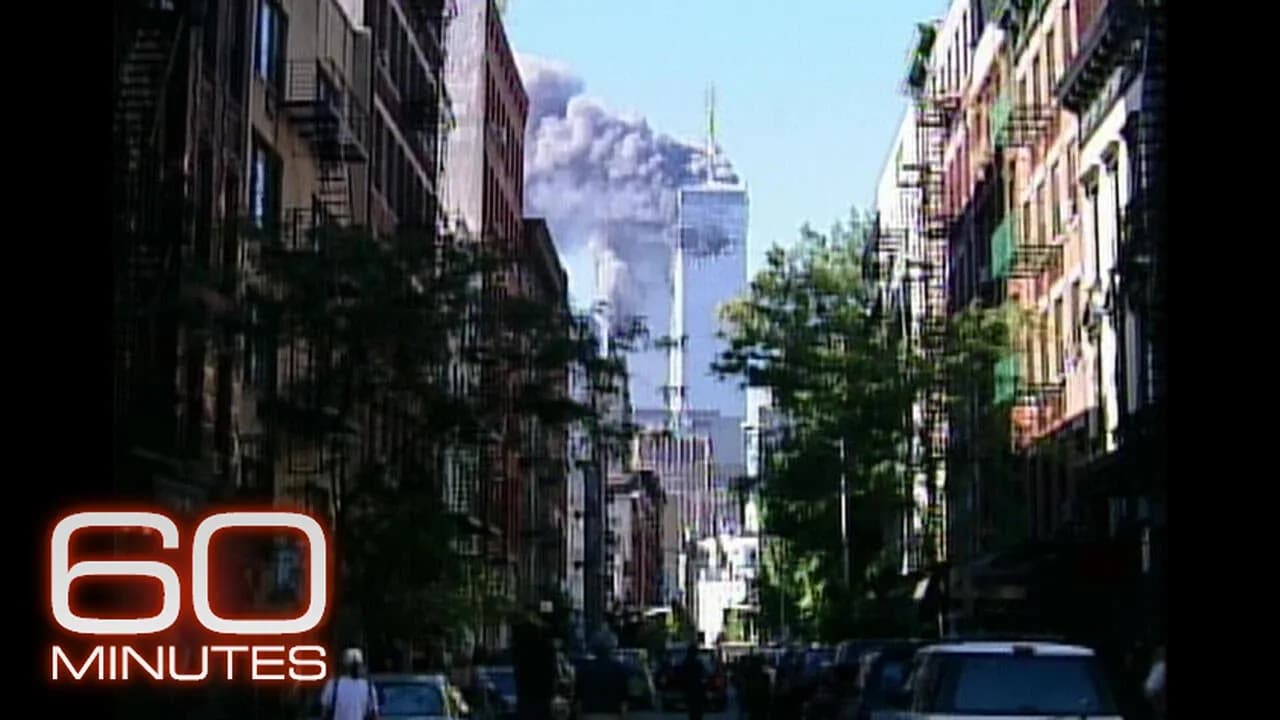
Mark LaGanga, CBS News cameraman, began filming at 10:00 a.m. immediately after the South Tower collapsed. Initial confusion surrounded the event as witnesses heard sounds but could not immediately identify what had occurred. People were running as the building collapsed, with some realizing "Part of the building collapsed." LaGanga had no idea the building had collapsed at the moment, and others around him were similarly unaware.
LaGanga received the assignment when CBS received reports of a plane crash on the southern tip of Manhattan. The initial information indicated a small plane had crashed into a building. He was paired with Bo Whites, the sound person, and they were sent to cover the incident. Initially, the team assumed it was a minor accident.
Upon arrival, LaGanga decided to proceed alone with the camera while Bo stayed with the vehicle to take still photos. The rationale was to move quicker without being encumbered. Smoke and debris were visible from their position, indicating something significant was occurring, though the full scope remained unclear.
LaGanga emphasized that journalists are there to document events, requiring them to move closer to capture what was happening. He stated there was "no fear in my mind at all to walk forward" despite the danger. The area had transformed into what appeared to be a "gray desert" due to the massive dust cloud from the collapsed South Tower, making it difficult to orient oneself.
The visual landscape was monochromatic due to dust coverage, with debris scattered across what had been the tower's footprint. LaGanga noted he "honestly didn't realize that a tower was missing" - the debris and gray dust on the ground were the remains of the collapsed structure. Firefighter rescue operations were underway, including efforts to extract a trapped firefighter from the northwest corner of the North Tower.
At the base of the North Tower, LaGanga observed fires still burning from the plane impact site. Notable sounds included the continuous beeping of Personal Alert Safety System (PASS) alarms worn by firefighters - these devices activate when a firefighter remains motionless for a set period, signaling they may be injured or unconscious. The alarms indicated multiple firefighters were down in the area.
An office worker from the 81st floor described the moment of impact: "I had 40 people in there. Just an explosion. There's a light flash out my window. My whole doorway, the entrance of my office blew open." The survivor recalled telling colleagues to move to the center of the office and remain calm during the evacuation.
LaGanga encountered Mike Benfante shortly after Benfante had carried a woman in a wheelchair down 68 floors from the North Tower. Benfante described stopping at the 68th floor where he found the woman, strapping her into the wheelchair, and carrying her down the remaining floors. They became lost on the fifth floor amid the chaos before eventually reaching safety.
LaGanga attempted to interview a man dragging two briefcases who had just escaped the building. The man declined to speak, stating "I'd rather not. Just had a bad day." This interaction reflected the immediate trauma experienced by survivors who were not yet ready to discuss their experiences.
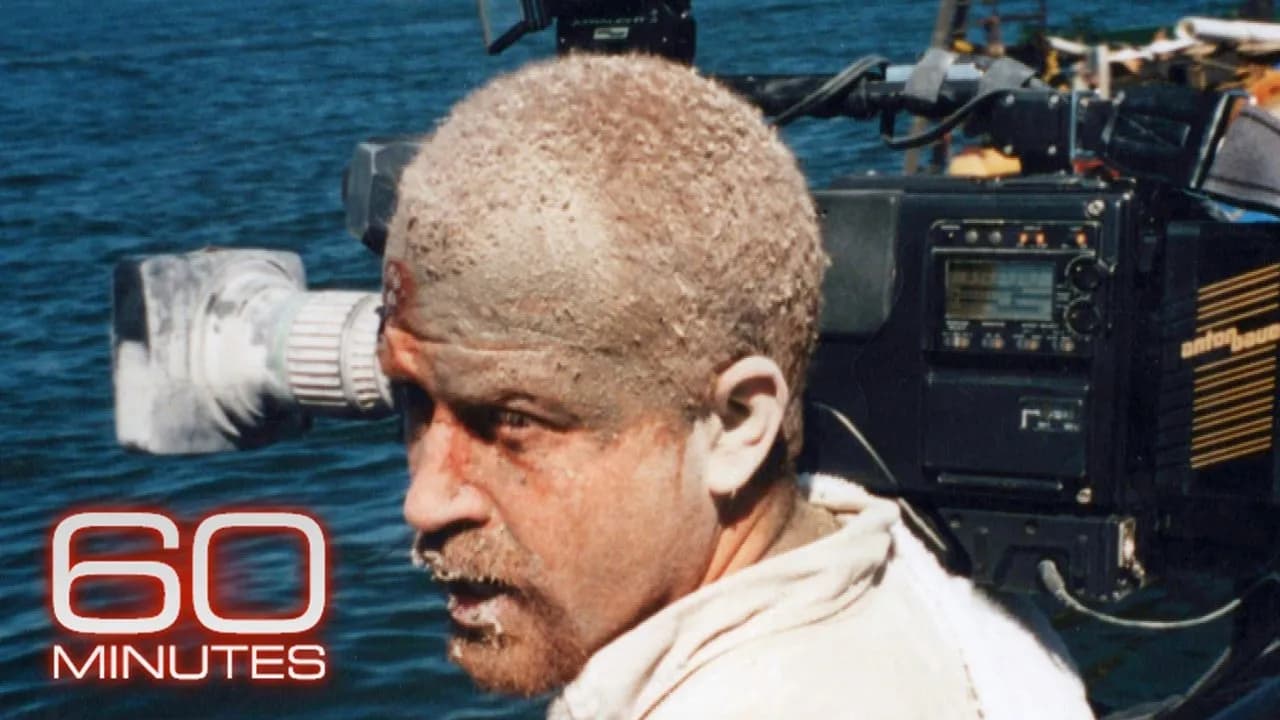
While walking and filming, LaGanga heard what he initially thought were jets overhead. Tilting the camera upward, he realized the sound was the North Tower collapsing. He continued filming throughout the collapse without stepping back, stating he "wasn't thinking of anything when the tower collapsed other than to just continue to film."
Following the North Tower collapse, the area was enveloped in darkness from the dust cloud. LaGanga described the period of zero visibility as feeling longer than it likely was. When the dust began to settle, he wiped off his camera lens and learned from witnesses that "It collapsed. The top floors collapsed down."
LaGanga sustained a forehead injury when debris struck him during the collapse. He discovered the wound later and noted it left a scar. Despite the injury, he continued documenting the scene.
LaGanga observed that 9/11 temporarily transformed social interactions in New York City. The city's typical reputation for brusqueness gave way to genuine concern among strangers. People became "really genuinely concerned with each other and it changed the city," at least for a period following the attacks.
LaGanga expressed some guilt about filming while others were saving lives, but maintained that "our job and that's what we should do. It's the reason why we're there is just to capture real moments and not get in the way." He avoided watching the footage for a long time afterward.
The entire 29-minute sequence was captured on a single 30-minute beta tape. LaGanga began filming immediately after the South Tower collapse and stopped 29 minutes later. The tape contains the complete sequence of events from the initial aftermath through the North Tower collapse and its immediate consequences.
Keep 60 Minutes in your library
Save the videos and channels worth coming back to, and find them again in one place.