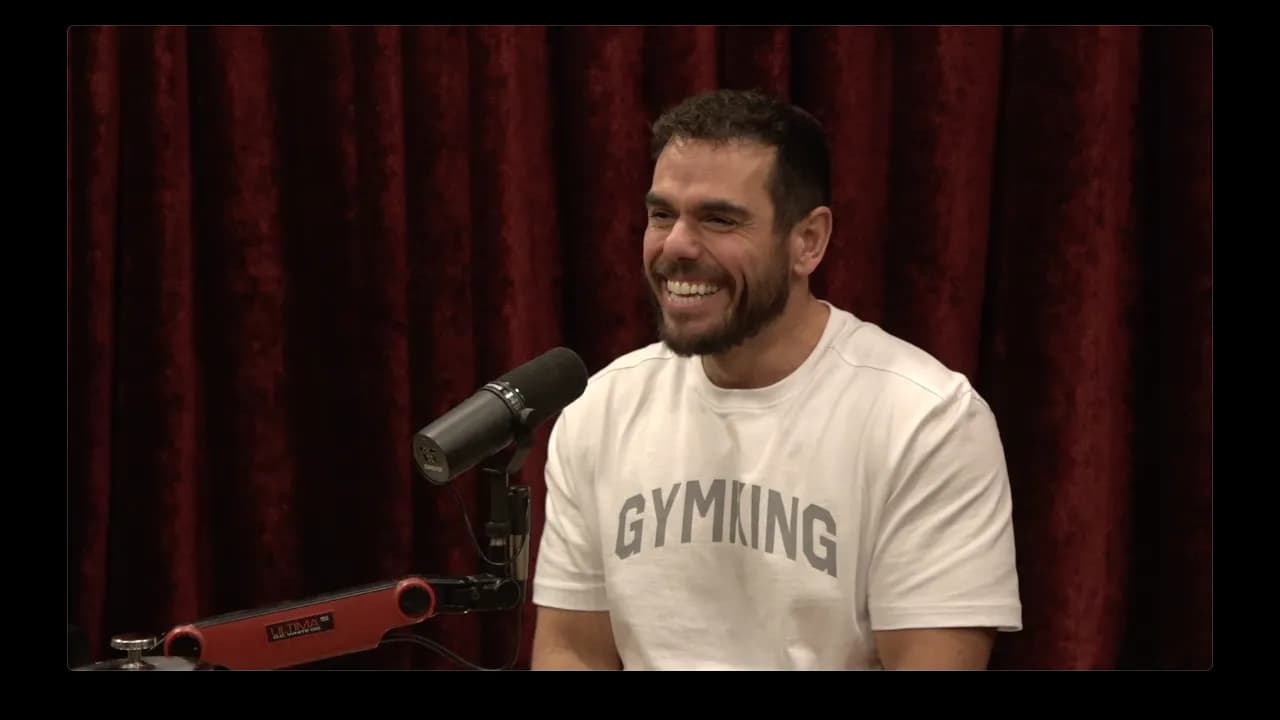
Inside wildlife photographer Chris Fallows' archive
In a Nutshell
Great white sharks mysteriously vanished from Cape Town's Seal Island waters a decade ago, ending wildlife photographer Chris Fallows' annual sightings of 250-300 individuals and his iconic 2001 photo of a 1,200 kg shark breaching like a missile. Fallows shares breathtaking images from global expeditions, including close encounters with mako sharks, elephants in Kenya's Amboseli, cheetahs in Tanzania's Serengeti, and rebounding humpback whale pods of 150-200, crediting animals' tolerance and his wife Manique's expertise. He and Manique fund conservation with photo profits, restoring 61 acres in South Africa's Cape Infanta and acquiring 26,500 acres in Namibia for wildlife corridors, emphasizing respect for interconnected ecosystems.
These notes were generated by AI and may contain inaccuracies.
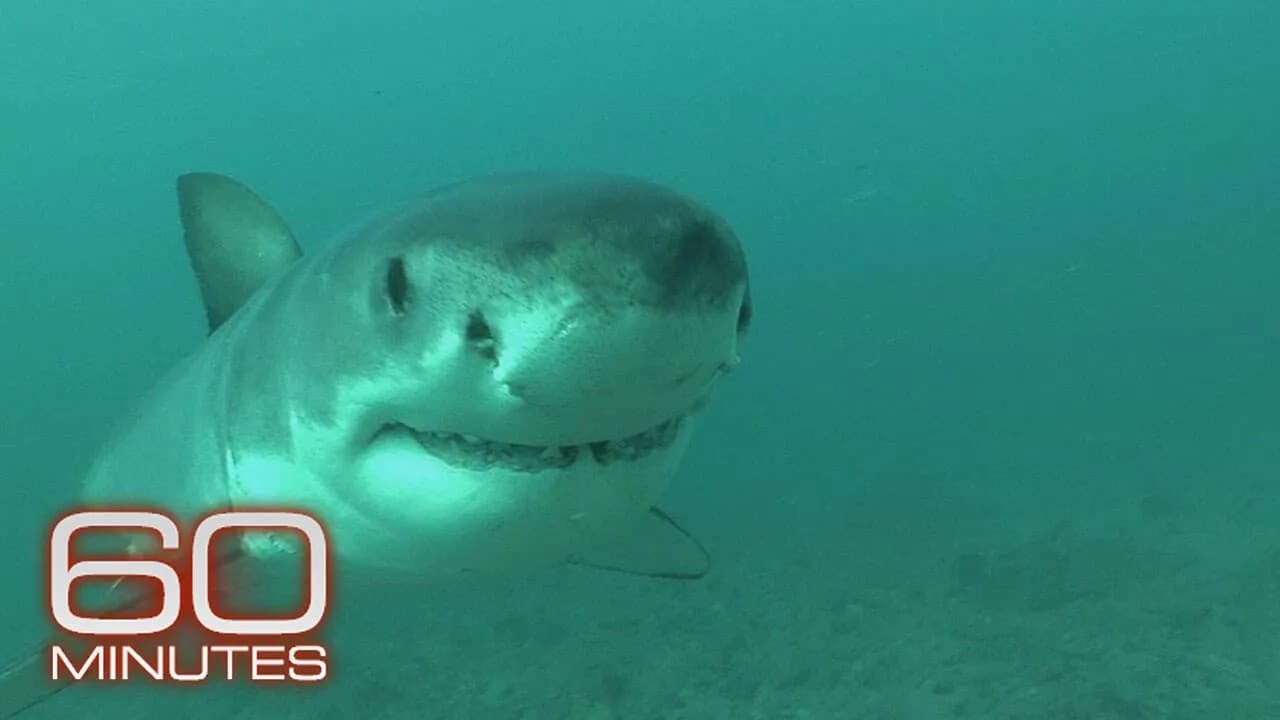
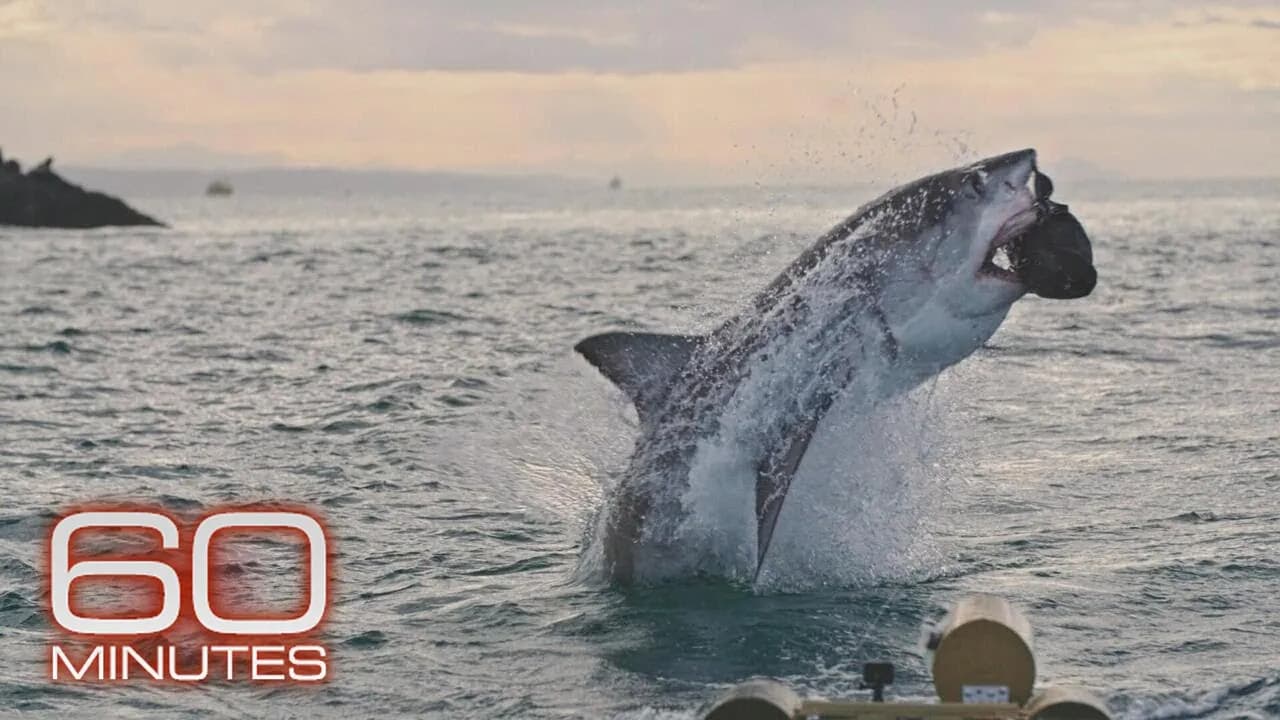
60 Minutes overtime reported on the mysterious disappearance of great white sharks from coastal waters around Cape Town, South Africa. Scientists and conservationists disagree on the culprit but agree the great whites that once cruised these waters are now gone. About 10 years ago, these predators thrived, hunting tens of thousands of seals near Seal Island. With luck, one could glimpse these majestic predators flying out of the water.
That was unbelievable.
Chris Fallows, photographer and naturalist, used to see 250 to 300 different great white sharks a year. His images from then are amongst the most breathtaking of the natural world.
It really did give me an incredible career working with those animals.
Fallows spoke from his home in Cape Town about his renewed sense of purpose after the great whites' disappearance and shared stories behind his remarkable images of wildlife from around the world.
You have photographs in life that you dream of. And in 2001, I took what even to today is probably the photograph I'll always be remembered for. And yeah, I'll never forget it. This huge 1,200 kg great white shark came blasting out of the water like a Polaris missile straight up mouth wide open. And it was in the days of film. So I waited the whole weekend not knowing whether it was going to be sharp or whatever the case would be. As I walked into the lab, everybody was clapping and I thought, "Wow, wonderful. Well, I must have nailed it. It was everything and more that I could ever have hoped for. And it was a photograph that changed my life and it gave me a fantastic start with my photography.
Wow.
So, I'm incredibly privileged to have an amazing partner in my incredible wife, Manique. to have somebody who understands those animals behavior making what I do a little bit safer but also best allows me to be in the right position to take a great shot.
Animals in the natural world are his greatest inspiration. His greatest textbook has been his eyes, seeing what we learn from animals. One of the most important educators was the great white shark, an animal many fear but he learned to love. Losing the great whites at Seal Island affected him deeply but catalyzed what he does today.
He's had super predators or elephants incredibly close, pushed great white sharks away, but never felt animals openly acting aggressively towards him. It's the tolerance of those animals allowing him in their space.
One hair-raising project: diving with Mako sharks at night, usually alone in the water with the fastest predator in the ocean coming close.
Captured a herd of elephants crossing dry lakes. Few elephants with huge ivory remain. One place to see them is Amboseli National Park in Kenya. On this occasion, an incredible female with huge, almost similar tusks led a herd. He was lucky to be in the right position from a very low angle, very close to her—this incredible matriarch who defied odds against her, poachers' snares or hunters' guns, keeping her herd safe with food and water.
Tanzania is a special location, an area in the east and central part of the Serengeti. Subject: cheetah. They get a special permit allowing them out of the vehicle occasionally so he can get very low and shoot cheetah moving through beautiful even fields of grass.
Manique took them to around 100 whales on the surface. Humpback whales made an incredible rebound because we've stopped killing them. Since the late 1960s, their population reduced to just a couple thousand has come back to several hundred thousand. Now see groups of 150 or 200 together. To have 150 or 200 whales all around the boat is incredible—you smell them, see them, hear them, feel the whale breath, and they touch you deeply inside.
I have an abundance of opportunities to take photographs of them. I try and capture these incredible foils coming out of the water.
Humpback whales give hope and a sense of what enlightened governance does—a celebration of understanding they have a right to be on the planet like we do.
Chris and his wife Manique use profits from sales of his photographs to finance conservation efforts, including their own. In 2017, they purchased 61 acres in Cape Infanta on South Africa's south coast for habitat restoration. They're purchasing a 26,500 acre property in Namibia to increase the scale of wildlife corridors.
What I have learned is that all life depends on another form of life. Whether it's with great white sharks, elephants, lions, penguins, they all have their own little families and ecosystems in which they live. And treat them with respect.
Keep 60 Minutes in your library
Save the videos and channels worth coming back to, and find them again in one place.