It’s Official: Americans Are Running Out Of Money
In a Nutshell
Americans are depleting savings and retirement accounts to cover rising costs, with a family of four now needing ~$140k/year while the savings rate hits a near-record low of 3%. The economy is K-shaped: the top 10% drive spending, while most households face 4–46% price hikes in essentials, 20% credit card rates, and wage growth that barely offsets inflation. To survive, cut high-interest debt immediately, build a 3–6 month emergency fund, and avoid lifestyle creep when raises appear.
These notes were generated by AI and may contain inaccuracies.
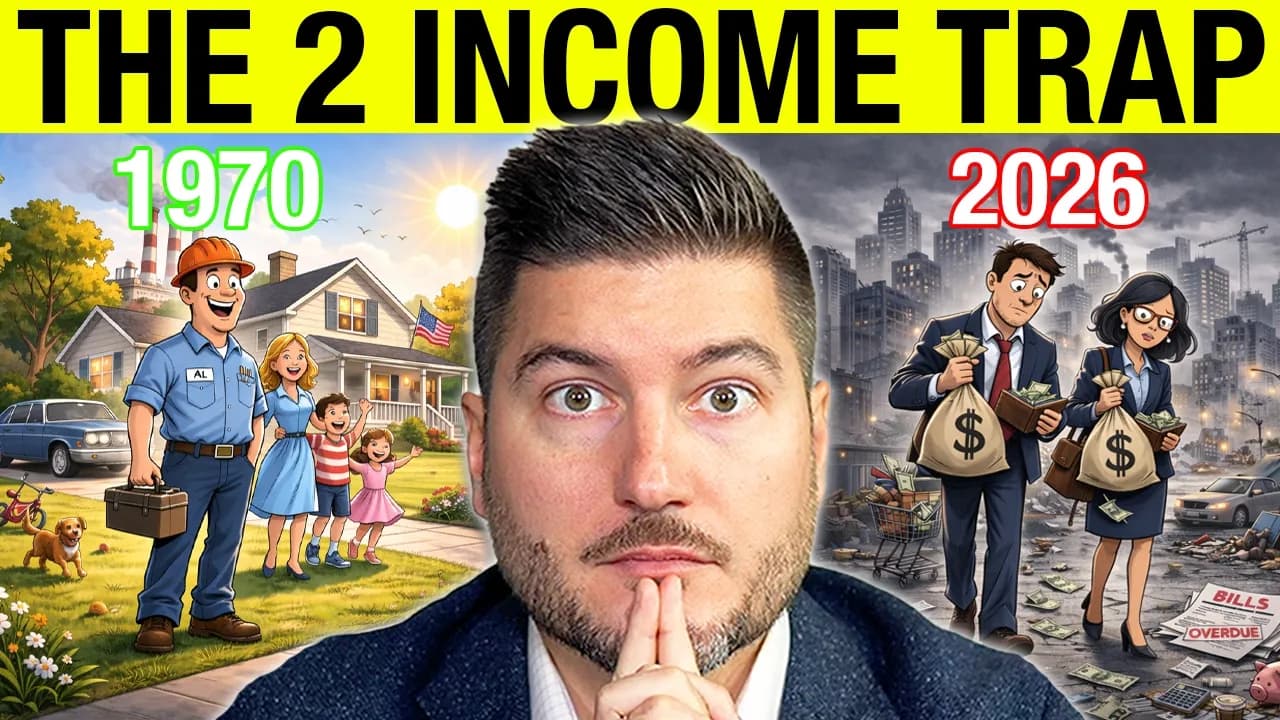
A worrying new trend shows more Americans tapping into their retirement savings for emergencies. A family of four now needs nearly $140,000 a year just to survive. New data shows Americans are saving less as they struggle to keep up with rising costs. The national personal savings rate is nearing a record low. Americans literally run out of money at the end of the month. Some of the world's biggest CEOs have issued the same warning about the U.S. economy: consumers are under such severe strain that even those earning $100,000 a year are now shopping like they're broke.
Prices have risen dramatically over the past year. New and used cars have seen significant increases, with the average price of a new car rising by 4% this year and a standard monthly payment of $765. Used car prices have risen by 8.2% since 2024, and car insurance costs have increased by 7.5%. Nationally, rents have increased by 2.5% compared to a year ago. With mortgage rates exceeding 7%, monthly mortgage payments are expected to be about 10% higher today than if you had bought the same home a year ago. Electricity and natural gas prices have risen by 4%, and homeowners insurance has jumped by 46% since 2021. Grocery prices rose by 2.2% over the past year, and the cost of eating out increased by 3.4%. Prices for everyday goods such as meat, bread, coffee, and rice are rising much faster. Airfares have risen by 23.4% compared to last year thanks to higher oil prices. Hotel and entertainment prices rose by about 3%, and car rental costs increased by 3.5%.
Wages for all workers increased by 4.1% over the past year, but when major expenses such as housing, transportation, and health insurance rise by similar amounts, that wage increase was not as significant as most people believe. Higher interest rates mean mortgages, car loans, personal loans, and credit cards all cost significantly more today than they did a year ago. The money supply is increasing significantly.
The savings rate has been declining over the past few decades and is currently at only 3%. Consumer spending forms the core of the American economy. Kraft recently stated that they are seeing negative cash flows in lower-income brackets, as they have begun to draw on their savings. Record stock market numbers are doing absolutely nothing to improve consumer sentiment, meaning most Americans have their money locked away in retirement and 401(k) accounts that cannot be withdrawn to make their lives easier right now.
The American economy is now completely divided. The richest 10% currently account for more than half of total spending, and this greatly distorts most of the data. Retail sales rose 1.2% in August, the highest rate in five months, and employers added 162,000 jobs, more than double what economists had predicted. However, once the richest 10% are excluded, the whole picture looks very different. Americans now owe $1.26 trillion on their credit cards. Around 60% of cardholders do not pay off their balances in full, and 6% of participants in 401(k) retirement plans made withdrawals due to financial hardship last year, with the primary reason being to avoid foreclosure or eviction. The CEO of Dollar General said that even households earning $100,000 or more are feeling the strain and have started shopping like low-income earners.
The Federal Reserve raised interest rates for the first time since 2023. They indicated that another increase may occur soon, all because inflation is still above 3.4%. This means that people who run out of money now have to pay more to borrow money just to get by during the month. Most people don't run out of money all at once. They deplete their reserve funds first, then their savings, then credit cards, then retirement accounts. This gradually increases up the income ladder.
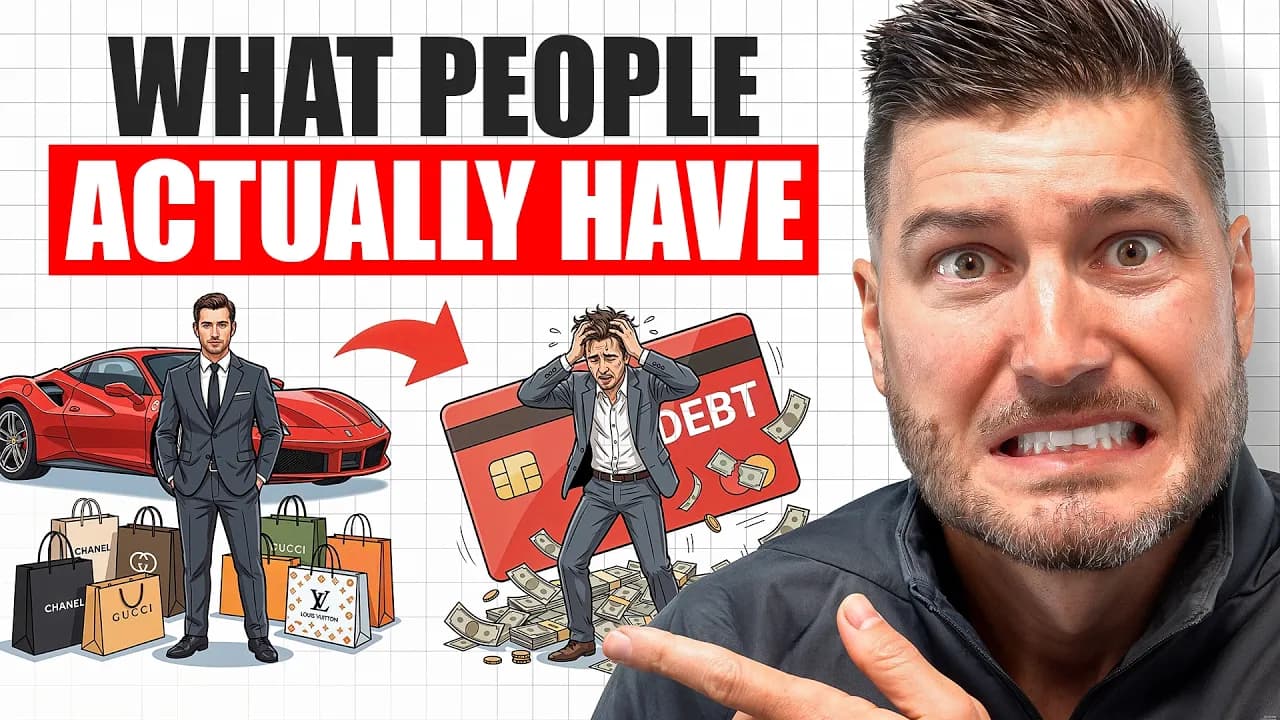
The national average savings account rate is only 0.63%, while the best high-yield savings accounts pay around 4.2%. This means that with $10,000, there is a difference between earning $63 and $420 a year for almost nothing. The average interest rate on credit cards is currently hovering near 20%. If you have a credit card balance of $5,000, it costs you $1,000 a year in interest that is immediately lost. Contact your credit card company to see if you can get a lower interest rate, or consider a balance transfer, since paying 3 to 5% of your balance upfront is still much better than paying 20% over the course of the year.
The national average gasoline price is currently $4.44 per gallon compared to about $3.20 a year ago. If you fill up a 15-gallon tank twice a week, that means an extra $1,000 a year. Withdrawals from retirement accounts should be the last resort because once you do, you will lose that money from your retirement account forever. Withdrawals are taxed as ordinary income, and depending on the circumstances, you may owe an additional 10% tax penalty for early withdrawal. This means that in a 22% tax bracket, withdrawing $10,000 from a 401(k) is worth only $6,800 before federal taxes, before state taxes, and before an early withdrawal penalty if applicable, without taking into account all the money you will lose in the future due to compound interest. Interest rates are now the highest they have been in decades, and taking out a loan right now is probably the worst decision you can make if you don't have to.
The job market remains strong with an unemployment rate of only 4.1% and people are still spending. The economy is split in two. If a collapse occurs, the bottom 50% will be the first to feel it, and then the impact will slowly begin to escalate. The Federal Reserve is stuck in a bind: if they continue to raise interest rates to fight inflation, they are hurting those who are least able to bear it, but if they lower interest rates, they risk further increasing inflation, which also harms that 50% of low-income earners.
Three steps to take today: First, build a greater safety margin by saving between 15 and 20% if possible, or save for a few months' expenses so that if any emergency occurs, you are okay long enough to get back on your feet. Second, get rid of expensive debt. If you carry a credit card bill with an interest rate of 20 to 25%, there is no sensible investment you can make that would generate such returns. Put all extra income, if possible, towards paying off these credit cards as quickly as possible. Third, don't let lifestyle inflation eat up your pay raises. If you get a 4% raise this year but your rent, healthcare, transportation, and food costs also go up by 4%, you might not actually have anything left. Instead of automatically assuming that every increase means you'll be able to save more, make that difference yourself through refinancing or getting rid of costly debt, looking for better insurance deals, canceling recurring subscriptions, or looking for ways to increase your income.
The people who ultimately excel are those who do everything they can to save as much as possible, maintain a steady income, pay off high-interest debts, and allocate enough liquidity so that if something happens, they have enough money to weather the crisis and prefer to take advantage of lower prices to buy.
Keep Graham Stephan in your library
Save the videos and channels worth coming back to, and find them again in one place.