Joe Rogan Experience #2536 - Eric Goode & Jeremy McBride
In a Nutshell
Eric Goode and Jeremy McBride's HBO series "Monsters of God" exposes how the $20 billion illegal wildlife trade—particularly the exotic reptile and turtle business—fuels invasive species crises in Florida while intersecting with drug trafficking and organized crime. The documentary reveals how pop culture (Jurassic Park, Harry Potter) spikes demand for endangered species, while lax regulations, understaffed enforcement, and massive Asian markets drive poaching that pushes one in five reptile species toward extinction. Key insight: the same psychological drivers—scarcity, status, and "living art" collecting—that fuel legitimate pet ownership also sustain criminal networks moving animals through airports in suitcases and using traffickers' tactics like hiding drugs in boa constrictors.
These notes were generated by AI and may contain inaccuracies.
Eric Goode and Jeremy McBride appear on the podcast to discuss their HBO docu-series "Monsters of God," which examines the reptile trade and its potential connection to Florida's estimated 500,000 pythons. The series explores the reptile industry as a multi-billion dollar global enterprise.
The Burmese python population in South Florida likely resulted from a combination of pet owners releasing animals when they grew too large and possibly a reptile research facility. Eric Goode kept a Burmese python as a teenager in the 1970s, noting that people commonly purchase small pythons and release them when they reach 15 feet in length.
Goode discusses giving away his entire menagerie when he went to college, including his Burmese python. The conversation addresses the difference in responsibility between giving away small pets like Chihuahuas versus large pythons that could potentially eat other animals if released into the wild.
Burmese pythons and green iguanas have established populations in Florida despite not being native. Goode draws a comparison between invasive species and human colonization, noting both represent successful adaptation to new environments.
Goode has kept and studied reptiles for over 60 years, beginning when his parents gave him a tortoise at age six. He caught rattlesnakes in his lunchbox as a child and has been bitten by rattlesnakes once, learning his lesson after that incident.
Goode was bitten by a tiger rattlesnake that possessed both hemotoxin and neurotoxin. The bite occurred on his foot while hiking, and he experienced metallic taste within 10-15 minutes, indicating it was not a dry bite. He received 36 vials of antivenom and experienced serum sickness from horse antibodies for weeks afterward.
The antivenom used 25 years ago was made from horse antibodies, causing intense serum sickness with fever and red blotches. Modern antivenom uses different formulations. Goode notes that people typically get bitten while handling snakes while intoxicated rather than during hiking incidents.
Goode's dog was bitten twice by rattlesnakes. The first bite caused facial swelling requiring immediate veterinary treatment with antivenom. The second bite showed no immediate swelling, but the dog developed resistance from the first incident, with swelling appearing later.
Goode encountered a large Southern Pacific rattlesnake while trail running in California. The snake was mistaken for a log across the trail, and both dogs and Goode ran over it before attempting to scare it away with rocks.
Goode was a "closeted reptile guy" in New York City during the 1980s and 1990s, maintaining reptiles while socializing with celebrities and artists including Andy Warhol and Madonna. Warhol interviewed Goode for Andy Warhol TV, where Goode stated he would use his money to buy tortoises.
Goode traveled globally to study rare reptiles and turtles in Madagascar, Sulawesi, and South America. He created short films with the Safdie brothers, including "Trophy Hunter," before deciding to adapt the book "The Lizard King" into a documentary about the reptile trade.
Fischer Stevens, Oscar winner for "The Cove," warned Goode that documenting the reptile world would be dangerous due to figures like a man imprisoned for 100 years and another described as the "Pablo Escobar of reptiles."
Illegal wildlife trafficking represents a $20 billion annual industry, ranking fourth after guns, drugs, and human trafficking. The trade involves convergence of multiple criminal activities, with wildlife trafficking often mixed with drug and gun smuggling.
Before enhanced airport security, transporting wildlife was significantly easier. Reptiles proved particularly portable due to their size and the ability to conceal them in suitcases, enabling people to collect rare endangered species globally and sell them through price lists.
The wildlife trade's multibillion-dollar valuation includes consumption for food, traditional medicine, and skins in addition to the exotic pet industry. Asian markets, particularly China, have become major consumers of reptiles both for eating and keeping as exotic pets over the past 25-30 years.
Python skinning operations in Southeast Asia primarily involve wild-caught blood pythons and reticulated pythons rather than endangered species. California banned all python products since 1970, originally aimed at protecting the endangered Indian python but creating a broad statute prohibiting all python imports regardless of species endangerment status.
Reticulated python skins from Southeast Asia are considered more desirable for fashion than Burmese python skins from Florida's invasive population. The film "Wild at Heart" featured a reticulated python skin jacket worn by Nicolas Cage.
California's python ban exemplifies overly broad wildlife regulations that prohibit all python products rather than distinguishing between endangered and non-endangered species. Similar regulatory challenges exist in Florida regarding green iguana populations.
There are 45 types of iguanas worldwide. Green iguanas in Florida, like pythons, likely originated from released pets. YouTube content shows people hunting and cooking iguanas in various preparations including stir-fry and iguana tamales.
Green iguanas fall from trees in cold weather in Florida. The invasive population may only be controllable through human consumption, as they are considered edible and various preparation methods exist.
The series features the endangered Fiji Island iguana, which private citizens cannot own in the United States despite their striking turquoise, green, and lemon coloring. Only zoos are permitted to keep these animals.
Mike Van Nostrand and his father Ray operate Strictly Reptiles in Hollywood, Florida, functioning as a major distribution center for reptiles across America. The business sold 5,000 green baby iguanas weekly following the release of "Jurassic Park," which increased demand for pet "dinosaurs."
The correlation between major films and increased pet demand demonstrates how media can drive wildlife trade. The heated rock incident involving Jeremy McBride's iguana illustrates common husbandry mistakes made by reptile owners.
Scientists have taken 7,000-year-old direwolf DNA and combined it with modern grey wolves to create animals that are fundamentally different from regular wolves. These creatures have distinct physical characteristics including different stature, a mane, white coloring, and stockier build. Comparisons are drawn to how Maine wolves in Argentina differ significantly from North American wolves, and how African wild dogs vary from other canines.
The International Iguana Foundation protects approximately 45 iguana species worldwide, many of which are rare and endangered. Notable species include pink iguanas in the Galapagos Islands, land iguanas, marine iguanas, and a very rare high-elevation pink iguana. The Jamaican iguana was thought to be extinct until a tiny population was recently discovered.
Common green iguanas have become invasive in Florida with no natural predators once they reach adult size. Males develop orange coloring when mature. These animals cause damage to crops and houses despite being "chill" in temperament. The invasive population stems from released pet iguanas.
Florida hosts multiple invasive lizard species including the Tosaurus (Central American Mexican rock iguana) and teos from South America. These different types of lizards have established populations through the pet trade.
Personal accounts include keeping tegu lizards that eat eggs, including bird eggs and duck eggs. Early reptile experiences involved piranhas, turtles, and consideration of crocodile monitors as pets. Crocodile monitors are compared to Komodo dragons with "scapple teeth" that make bites serious medical concerns.
The appeal of pet chimpanzees is understood as mammals that interact emotionally and show intelligence, though this is not advocated. In contrast, reptiles are seen as "looking into the abyss" with no emotional connection. The documentary "Chimp Crazy" is recommended for anyone considering chimp ownership.
Tortoises became preferred over snakes and lizards because they coexist in garden settings rather than requiring cages. This led to discovery that turtles and tortoises are among the most endangered animal groups on the planet, alongside primates, measured by extinction risk.
The reptile trade is characterized as formed around scarcity, desire, and adventure in finding rare specimens. Participants are described as obsessive about "living art" and collecting like baseball cards. The term "herp" refers to herpetology enthusiasts dealing with amphibians and reptiles.
The inland taipan is noted as potentially the most venomous snake, though all venomous snakes can kill. Australia has numerous dangerous species including tiger snakes, brown snakes, and inland taipans. Coral snakes (elapid family) in East Texas have limited or no antivenom available due to cost-effectiveness concerns. Treatment philosophy has shifted from extraction kits to remaining calm and seeking hospital care.
Rattlesnake bite treatment involves staying calm and getting to hospitals, with antivenom sometimes requiring transport from other facilities. Young snakes have more concentrated venom but inject less volume, while larger snakes pose greater danger due to venom quantity. Most snake bite victims survive in the United States, with only a few deaths annually.
Historical figures like Ross Allen and Bill Hos hold records for snake handling. Some individuals inject themselves with venom to build antibodies, including a documented case in Myanmar where a snake wrangler used venom immunization for handling dangerous species like cobras.
India has the highest rate of deadly snake bites globally. The puff adder in Africa is responsible for many deaths. In the United States, snake bite fatalities are extremely rare compared to car accidents or gun violence.
Some reptile enthusiasts are described as "so far gone" from normal rational behavior. Gaining access to guarded collectors requires building relationships over years, as subjects fear federal intervention, PETA actions, or theft of valuable specimens.
Mario Tawi, a central figure in Miami's wildlife trade, was sentenced to 100+ years for murder and drugs but served only 12 years. The overlap between the 1980s drug trade and illegal wildlife trade in Miami is explored through DEA investigations.
Personal experiences include being shot at in Miami during the early 1990s while attempting to use a pay phone. The period is characterized as extremely violent with high rates of gunshot wounds and drug-related crime, corroborated by medical professionals who worked emergency rooms during the era.
A former DEA agent named Larry Loveless lives in rural West Virginia and maintains constant vigilance with firearms due to threats from individuals he helped incarcerate. One particular Cuban drug smuggler he put away for 100 years was released after only 12 years, creating ongoing security concerns. Loveless demonstrates exceptional marksmanship and possesses Civil War-era bullets found in his backyard. During filming, he made casual references to having used guns more than he cared to admit.
Loveless's father worked as an HR representative for Cuban exiles during the Bay of Pigs era, going house-to-house delivering checks to the community. This created extensive networks and access to information that may have been valuable to the government. Theories suggest this connection could explain the unusual release of the drug smuggler, possibly involving deals related to bringing down major drug lords like Pablo Escobar.
Wildlife crime and drug trafficking often intersect due to concealment opportunities. Drug smugglers have used various methods including placing cocaine inside boa constrictors, which would require cutting the animals open to retrieve the drugs. Fish markets historically concealed drugs inside fish because handlers avoid opening them.
Traffickers exploit limited wildlife inspection resources at ports of entry by hiding drugs beneath layers of animals in crates, mixing in lookalike rare species among common ones, and placing dangerous animals like spitting cobras at the top to deter inspection. This strategy preys on the lack of resources at major ports.
Many Komodo dragons entered the United States illegally through this concealment method, mixed with other monitor lizards that inspectors couldn't distinguish. One such smuggled Komodo dragon bit Sharon Stone's husband at the Los Angeles Zoo. These animals originated from sting operations targeting Anson Wong, a Malaysian wildlife trafficking kingpin considered the global "Pablo Escobar" of reptile smuggling.
Anson Wong received the longest sentence in the US for wildlife crime during the 1990s. He was arrested in Mexico and extradited to the United States. Major zoos including LA Zoo, San Diego Zoo, and Bronx Zoo received confiscated reptiles from his operations.
Reptile collecting attracts a distinct demographic including heavily tattooed individuals, goth enthusiasts, and bikers. The subculture includes fascination with venomous species colloquially called "hot snakes." The connection between reptile enthusiasts and drug use appears significant within this community.
Ball pythons are popular pets due to their cleanliness and low maintenance requirements compared to traditional pets. They don't require daily feeding and can be left alone during vacations. However, keeping snakes in small terrariums or racks contradicts their natural behavior, as wild snakes move freely and don't remain confined to small spaces.
Giant tortoises represent the longest-lived terrestrial animals, capable of living nearly 200 years. Snakes generally live 30-40 years, while some large lizards including land iguanas can reach 50-70 years. Crocodilians also have exceptional longevity.
The mortality rate when importing reptiles is substantial, with many animals dying during transport or shortly after. This creates a disposable pet culture where animals are treated like replaceable toys rather than living creatures requiring responsible long-term care.
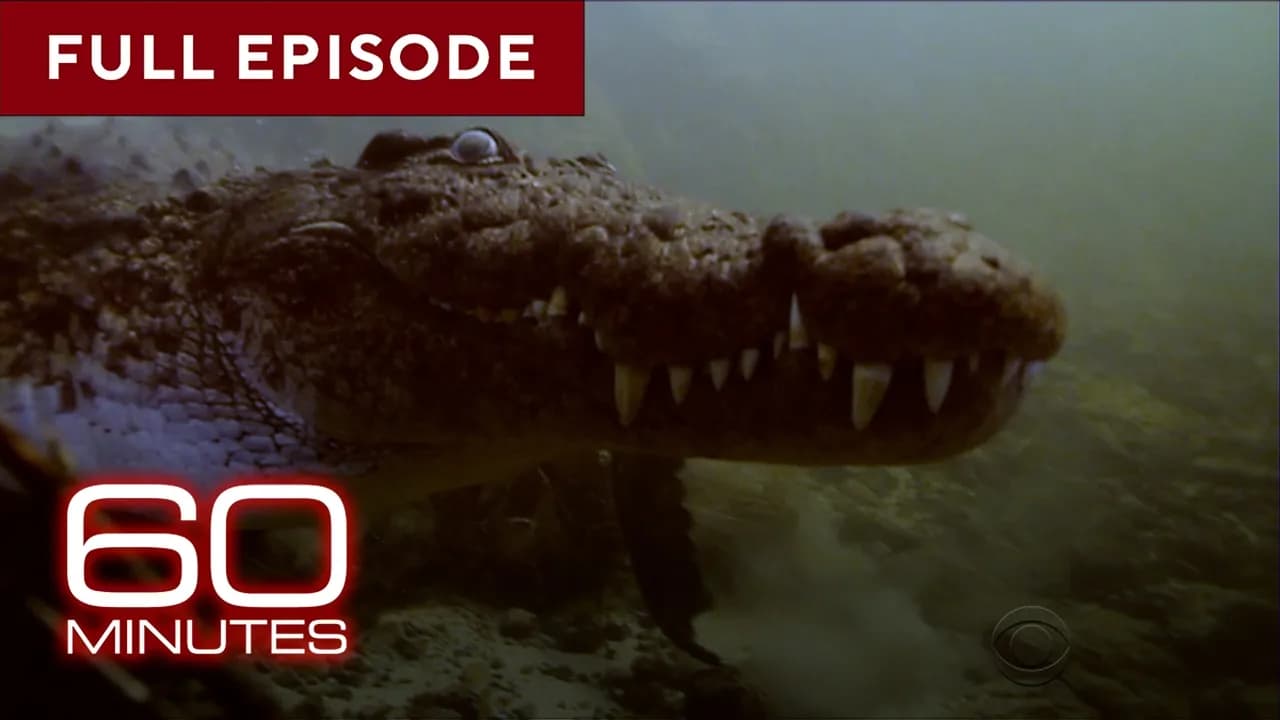
Nile crocodiles have been discovered in the Florida Everglades with suspicion of an established breeding population, likely originating from released pets. Nile and saltwater crocodiles are the most dangerous to humans among crocodile species. Nile crocodiles are significantly larger than American crocodiles and have shoot-on-sight orders in Florida.
Crocodiles don't die of old age but continue growing throughout their lives until death occurs from other causes. Historical accounts describe crocodiles exceeding 40 feet in length. Once crocodiles reach substantial size, they become nearly invulnerable to natural predators.
Crocodiles demonstrate remarkable patience and intelligence, capable of waiting years between meals. They are among the few reptiles that actively defend their young. Some individuals develop a taste for human prey and learn to target locations where people regularly gather, such as washing areas near water.
Philippine crocodiles remain critically endangered despite other crocodile species being more abundant. The thrill of possessing rare or prohibited animals drives much of the illegal trade, similar to collecting rare art or baseball cards.
Responsible wildlife interaction means observing animals in their natural habitat rather than removing them. The concept of not "playing God" with wildlife emphasizes leaving animals in their natural environments rather than keeping them as personal possessions.
Safari Club International represents the largest trophy hunting convention, featuring taxidermy services for various species including primates. Some taxidermists accept zoo animals that have died, including Komodo dragons unavailable in private collections. The ethics of treating dead zoo animals as commodities for taxidermy raises questions about the relationship between zoos and private collectors.
Public perception of animal death varies significantly by species, with fish receiving minimal concern compared to mammals like bears or primates. This hierarchy influences attitudes toward wildlife conservation and exploitation.
A collector has a museum featuring taxidermy animals including a Komodo dragon and multiple taxidermy gorillas. The acquisition methods for these specimens remain unclear from available documentation.
Reptile populations face accelerating extinction threats with one out of every five species currently threatened. The pet trade, exotic animal smuggling, and commercial exploitation drive these extinction problems. The industry operates on a volume-based model with significant animal cruelty, though documentary filmmakers deliberately avoid showing graphic bludgeoning and mistreatment to prevent viewer disengagement.
People respond differently to various animals based on psychological triggers that determine interest and aversion. The discussion explores why certain individuals become obsessed with specific species like turtles, examining what attracts people to particular animals and repels them from others.
Reptiles receive negative perception because they appear fundamentally different from humans - they lack legs, don't breastfeed, have forked tongues, and lack external ears. This difference creates a visceral reaction that may stem from evolutionary memory when reptiles posed genuine threats to human survival. Crocodiles and alligators trigger particularly strong responses compared to other reptiles.
Mammals like bears, lions, and large predators actually pose greater danger to humans, yet receive more favorable treatment due to anthropomorphism promoted through Disney films. Historical pioneer perspectives on bears differed significantly from modern Disney-influenced views.
Carl Safina, an animal behaviorist focused on animal welfare, has studied how anthropomorphic Disney characters create perverse market demands. Zootopia featured a snake character and drove increased snake demand in China. Finding Nemo created clownfish demand, while Harry Potter generated owl demand - markets in Asia showed fifty baby owls following the film's release. Jurassic Park increased bearded dragon popularity as people sought miniature dinosaurs.
Tiger King had the opposite effect of its potential to encourage exotic animal ownership. The documentary made people question roadside zoo practices like photographing with baby tigers rather than inspiring similar acquisitions. The show revealed that more tigers exist in Texas captivity than in all wild populations combined, with many held in private collections.
Religion plays a significant role in reptile vilification, particularly regarding snakes through serpent symbolism. Google data reveals that snake dreams represent the most common nightmare across countries, exceeding shark-related fears. People experience ophidiophobia (snake fear) and arachnophobia (spider fear), but no equivalent "sharkophobia" exists despite sharks posing greater danger.
Some phobias appear genetically transmitted, particularly arachnophobia and ophidiophobia. Fear Factor host observations showed certain individuals experiencing irrational, full-body panic responses to spiders and snakes that differed from typical reactions. This genetic memory likely stems from ancestral experiences with bites being passed to offspring.
Mexican workers on wildlife properties undergo annual snake safety training when rattlesnakes emerge in spring. Despite cultural conditioning to kill snakes with machetes, the protocol involves relocating rather than killing them. Some workers struggle with this approach due to childhood conditioning against touching snakes.
Children show varying snake reactions based on exposure levels. Kids aged six and three demonstrate less fear when exposed to reptiles through parental work, while peers without such exposure display adverse reactions. City-raised individuals typically show less comfort with wildlife compared to those with rural exposure.
One participant described a mother who regularly stole snakes and salamanders from pet stores, then released them into the woods because she opposed keeping them caged. Another grew up with dogs and cats but no exotic pets, living in New Jersey, San Francisco, and Florida where alligators were commonly observed at Lake Alice in Gainesville.
Alligators were endangered in the 1950s-1960s but recovered through Endangered Species Act protections. Current Florida populations are overpopulated, with every pond potentially containing alligators. Historical concerns included feeding them marshmallows, which authorities worried would cause nutritional deficiencies.
The series examines how enforcement actions create cascading effects - laws trigger new problems that generate additional issues. The Endangered Species Act demonstrates positive outcomes, while pop culture events can drive demand for endangered species. The production involved six years of filming with access to zoo directors, DOJ, DEA, US Fish and Wildlife Service, collectors, and suppliers.
Law enforcement pursues trophy cases against dealers and smugglers, while zoos compete for rare specimens like Komodo dragons for popular reptile houses. Collectors seek unattainable species like pink geckos. The psychology mirrors cocaine cowboy investigations, with law enforcement sometimes engaging in the same activities they're prosecuting.
Wildlife trafficking carries relatively low sentences compared to other crimes, yet the legal framework remains inconsistent. The contrast between 40-year marijuana sentences and current legal cannabis sales illustrates how laws change dramatically. The series presents no clear right and wrong, with sometimes inappropriate laws and missing regulations where needed.
The project originated from reading The Lizard King book in 2008, with rights acquisition attempts from author Brian Christie. Filming began in 2014 with Josh Safy, though Tiger King and other projects interrupted progress. The actual condensed filming spanned approximately six years.
Multiple projects film simultaneously across locations with interesting subjects, particularly Florida. The unstructured approach involves longitudinal filming without predetermined shoot days. Stories emerge through extensive filming rather than predetermined narratives - the "monkey mom" story developed into Chimp Crazy through this process.
Documentary success often depends on fortunate circumstances - Joe Exotic attempting to kill someone during filming, or Tanya kidnapping a chimpanzee. The approach involves filming extensively with no guarantee of usable stories, making it unsuitable for those seeking reliable income or quick results.
Joe Exotic received a pre-trial offer of six years but rejected it expecting acquittal. After nine years incarcerated, he continues seeking release through Instagram messages. The producers attempted to help Tanya avoid her four-year perjury sentence but found her uncooperative.
Wildlife traffickers often underestimate legal risks, believing they'll avoid detection. Multiple offenders return to prison repeatedly - one subject was indicted during filming for turtle smuggling, having previously served prison time. The industry has shifted from importing to exporting wildlife, with 300 three-toed box turtles recently confiscated heading to Hong Kong and China.
Southeast Asian markets operate like enormous outdoor wildlife malls selling reptiles, ornamental birds, and other pets. Jakarta's bird markets and Bangkok's Chatuchak market represent massive commercial operations. Birds function as "cut flowers" in Asian households - ornamental rather than food animals. The scale exceeds Western imagination and may have contributed to zoonotic disease transmission.
China alone has over a billion people, creating a massive market for exotic animals. The scale and size of Asia and China is much bigger than the US and Europe combined, with favorable climate conditions similar to Florida that support keeping exotic species.
One person in Delaware coordinates with US Fish and Wildlife Service to handle confiscated wildlife placements. Approximately 10,000 animals came through LAX in recent years, representing just one sample market at the Torrance border and LAX.
US wildlife enforcement is very understaffed and undermanned to manage all wildlife coming in and out of the country. Even with dogs and detection advancement, traffickers find ways to move animals. Many confiscated animals arrive starved and dehydrated, making recovery impossible in many cases.
The percentage of wildlife leaving the US consists of approximately 50% marine stuff like coral and invertebrates, with the remainder mostly reptiles and mostly turtles. Mammals and birds represent very small portions of current exports.
The US has more species of turtles and tortoises than any country in the world with 51 species. Mexico ranks second, India third. Asian markets now seek US turtles including spotted turtles, bog turtles, wood turtles, and eastern box turtles, which sell for thousands of dollars once reaching Asia.
A recent confiscation shipment was valued at approximately half a million dollars for those turtles once reaching China. Traffickers use mules, and those arrested are usually not the organizers of operations.
Raptors are increasingly popular in the Middle East, particularly golden eagles and other birds of prey. The US has strict laws regarding birds of prey ownership and falconry. Bobby Kennedy participates in falconry.
In Alaska, eagles are very common, especially around salmon fishing areas where 30-40 eagles may wait on lawns for fishing boats to throw carcasses. Bald eagles are particularly sought after as pets in other countries.
In the US, only Native Americans can possess eagle parts unless they have permits, including feathers for headdresses. Having a stuffed eagle in your house is illegal.
The confiscations room at LAX contains incredible items including tiger rugs and rare animals transformed into household objects like tables, rugs, and pool cues.
Places in China offer endangered species menus by invitation only for wealthy individuals. Turtle shows in China feature massive displays with rare turtles sold as pets, while lunch includes turtle soup.
Eagles have recovered since DDT bans. Rachel Carson's book "Silent Spring" changed everything by highlighting how DDT and pesticides made bird of prey eggs non-viable. Pelicans and birds of prey were disappearing at alarming rates before the DDT ban allowed eagles and birds of prey including peregrine falcons, bald eagles, and golden eagles to return.
The bald eagle is America's national animal despite being a strange, heartless raptor. It's actually a fishing eagle, similar to fishing eagles found worldwide. Photography has improved dramatically, enabling detailed eagle observations.
When a sick bald eagle in California became national news, the amount of money that poured in to help was unbelievable. People care more about eagles than they would about turtles or snakes being rescued.
California's state flag features a grizzly bear despite no grizzlies remaining in the state. Reintroduction programs are controversial. Wolves reintroduced in Colorado represent an ongoing disaster, with some migrating into California including a black wolf filmed near Bakersfield.
Reintroduction works in some places but proves tricky when agriculture and penned animals exist in target areas. Mike Phillips works with Ted Turner's group on wolf reintroduction programs in New Mexico, though grizzlies present bigger PR challenges for California reintroduction efforts.
Native Americans in California largely want grizzlies back. New technology may help keep grizzlies in certain areas, though the system hasn't been fully figured out yet.
Mountain lions appear in backyards including Santa Monica, sometimes motivated by displacement from fires. They frequently eat pets, with documented cases of mountain lions grabbing dogs during afternoon walks.
In some areas, half of mountain lion diet consists of pets. Motion detector cameras capture mountain lions at 3:00 AM, though sightings with the naked eye remain rare.
Depredation mountain lions that kill livestock like calves are sometimes hunted. One such lion was eating a calf alive before being driven off and killed.
Eric Goode spent 20 years working in Madagascar with rare Madagascan tortoises. A 60 Minutes piece with Leslie Stahl and a New Yorker article were produced, but the tortoise functionally went extinct in Madagascar due to intense poaching.
Ploughshare tortoises arguably have the most value in the pet trade of any reptile, with some worth up to $100,000. They exist only in a tiny part of northern Madagascar, with direct flights to Bangkok facilitating trade to Asian markets.
Confiscated ploughshare tortoises were obtained from China and Taiwan. After 15 years of patient waiting, the first hatchling of this never-before-bred-in-the-Western-world species was achieved right when the documentary finished filming.
Efforts are underway to return captive-bred ploughshare tortoises to Madagascar. The program aims to show Madagascar that the goal is not profit but returning natural heritage, completing a full circle from confiscation through breeding to repatriation.
To reduce poaching pressure, allowing legal availability of ploughshare tortoises for people worldwide could help, similar to drug legalization arguments. These tortoises breed quite easily despite taking 30-40 years to reach sexual maturity.
Dremeling tortoise shells with "MG" for Madagascar and identification numbers was attempted to deface tortoises and deter collectors, similar to cutting off rhino horns. The approach ultimately failed as collectors still wanted the tortoises.
Ploughshare tortoises have the highest dome shell of any tortoise relative to their size, with incredible longevity exceeding 100 years and distinctive gold coloring.
Turtle shells may represent a calendar system, with 28 small squares around the outside edge and 13 in the center, corresponding to a 13-month, 28-day lunar calendar.
Many cultures including Asian and Native American traditions believe the Earth sits on a turtle. Turtles have existed for over 200 million years, predating dinosaurs.
The earliest Chinese writing used oracle bone script on the bottom of turtle shells dating to 6,200-6,600 BC. Turtles have been used for writing, medicinal purposes, and vitality treatments throughout Asian cultures for thousands of years.
China operates enormous turtle farms, including 15-story buildings housing thousands of turtles. Some farmers have become multi-millionaires selling turtles for up to $20,000 each. Golden coin turtles represent particularly valuable species.
Wild-caught turtles command higher prices than farm-raised ones because collectors believe wild turtles eat medicinal plants that enhance their value, similar to beliefs about wild versus farmed rhino horn.
Golden coin turtles (Cuora trifasciata) are bred in captivity and shipped back to China for consumption. These turtles sell for $20,000 to $40,000 due to beliefs they have medicinal properties that can cure cancer and other diseases. The species is critically endangered in the wild.
The Yunnan box turtle was thought to be extinct for 50 years before rediscovery and now commands hundreds of thousands of dollars. These rare turtles are purchased as exotic pets rather than for consumption. American box turtles from the East Coast are being smuggled to China and Asia because of their beauty.
The turtle trade generates millions of dollars, with people in China and Asia becoming wealthy from the business. Turtles are easier to transport than other wildlife because they can survive without food or water for extended periods. They are often wrapped in socks, placed in boxes with diapers, and shipped with minimal air requirements.
Turtles leaving the US for China are primarily for exotic pets rather than consumption. The $20,000+ turtles are valued as luxury items. Snake meat is consumed in China, with snake bars serving live cobra blood drinks.
Tiger penis is considered a delicacy in Asia, believed to increase fertility and enhance male sexual performance. Tiger farms breed tigers specifically for parts including bones used in tiger bone wine. Tiger meat consumption is highly illegal but persists through an illicit black market.
Chinese giant salamanders are farmed and consumed despite being rare. These massive salamanders can eat rats or rabbits and are cooked in various ways. The practice represents luxury consumption of highly illegal endangered species, where status symbols matter more than medicinal beliefs.
American tuna species are becoming endangered due to overconsumption. Historical American extinctions include passenger pigeons that once darkened skies, Carolina parakeets, condors, and bison. Cultural norms determine which animals are acceptable to eat - dogs are consumed in some Asian countries while cattle are sacred in India.
The plowshare tortoise is recovering but requires expensive anti-poaching measures and security. Human attempts to manage nature often fail, as demonstrated by introducing mongoose to Hawaii to control rats, which backfired because mongoose are diurnal while rats are nocturnal.
Chinese giant salamanders became food sources during mid-20th century famines. After farming success created oversupply, reintroduction to wild created hybrid salamander populations. This mirrors invasive species problems seen in Austin, Texas.
American snapping turtles are exported to Asia where they are highly valued. While not endangered, alligator snapping turtles face different conservation concerns. These turtles are still consumed in New Orleans and the American Southeast in dishes like gumbo.
Project choices are made carefully due to time investment required. Stories aim for silver linings rather than frivolous content about unusual people. Recent projects include a personal documentary about family and an upcoming project involving big carnivores and famous individuals.
The focus remains on subcultures with unusual beliefs rather than big cities. Stories explore themes of extinction, attachment, ego, and crime. Overfishing represents an underexplored documentary topic that could reach broader audiences beyond traditional environmental messaging.
Invertebrates, insects, and butterflies face significant but underrecognized threats. Marine and tropical fish collection often involves destructive practices like dynamiting reefs in the Philippines. Saltwater tropical fish don't breed easily in captivity compared to freshwater species.
Unusual wildlife activities occur in unexpected suburban locations rather than major cities. Examples include neighbors with garage collections of venomous snakes where cobras escape into yards. The pattern shows wildlife issues exist everywhere, not just in urban centers.
Keep PowerfulJRE in your library
Save the videos and channels worth coming back to, and find them again in one place.