Live From Dr. Sean, The Hidden Fat Your Doctor Never Looks For
In a Nutshell
Epicardial adipose tissue around the heart is the most dangerous fat in the body, driving heart attacks, aneurysms, and other structural disease that conventional blood tests miss. Full-body MRI scans detect this hidden fat, unlike standard lipid panels that focus on cholesterol—the very substance the body needs for cell membranes and hormones. A 2016 study links baldness severity to epicardial fat thickness, yet this association remains unknown due to pharmaceutical industry suppression of non-drug metrics.
These notes were generated by AI and may contain inaccuracies.
Dr. Sean O'Meara, a health optimizing physician for almost 20 years, addresses the challenge of tracking appropriate health metrics. He explains that being fit and having high VO2 max does not guarantee health, as individuals can still suffer heart attacks or cancer despite excellent fitness levels. The core problem is that people track incorrect metrics for their health, unlike executives who track the right metrics for their organizations.
Dr. O'Meara emphasizes that most people are following the wrong guidance from physicians who may themselves be unhealthy. He positions this content as free education to improve humanity, not a sales pitch, and encourages listeners to try the metrics and return for paid services only after experiencing improvement.
Recent media attention includes a New York Times story from the previous day, following a Wall Street Journal front-page story from June about the president's cabinet dietary practices. An additional major international newspaper contacted Dr. O'Meara for another story. He appeared on Dr. Mike Israetel's podcast over the weekend, describing Dr. Israetel as exceptionally knowledgeable about muscle building and noting the podcast as his favorite in years.
Dr. O'Meara introduces the concept of following "North Star" metrics rather than "debris in the ocean" - spurious health markers promoted by conventional medicine. He states that current health information is crowded with tactics that poorly identify what actually matters, with excessive focus on blood studies, lipids, and cholesterol that he considers irrelevant.
The framework begins with eliminating structural disease rather than following Big Pharma's directive to reduce cholesterol. He notes that the body produces cholesterol for cell membranes and hormone production including testosterone, questioning why pharmaceutical interests target this natural substance.
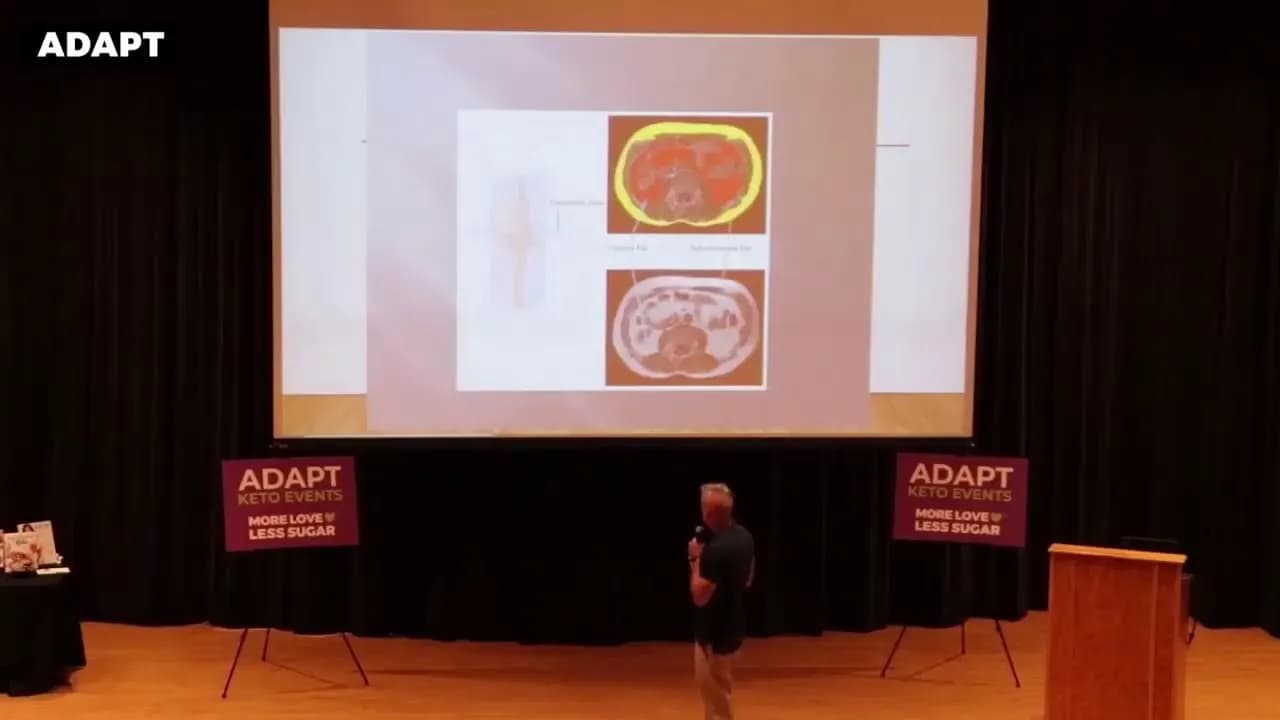
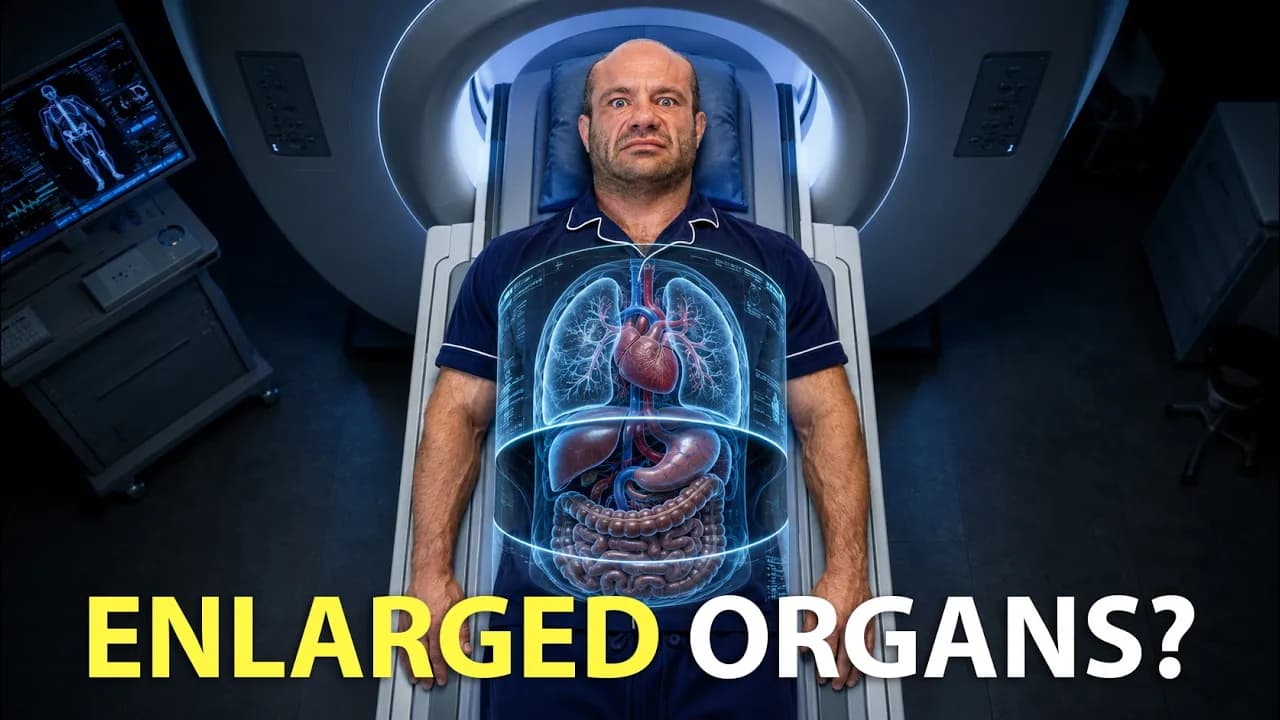
Epicardial adipose tissue surrounding the heart is presented as the most deadly fat and substance in the body. Dr. O'Meara shows images comparing a heart with significant white fat deposits (from a patient who had a heart attack one month before visiting) versus his own heart at age 63, which shows no visible white fat deposits.
A second case involves a 44-year-old woman who suffered a heart attack, revealing substantial fat around both her heart and aorta. Perivascular fat around aortas increases risk for aneurysms and dissections, referenced in connection with Senator Graham's death three weeks prior.
Full body MRI scans are recommended over blood work for detecting this hidden fat. Dr. O'Meara notes the cost is $250 at facilities in Florida, though interpretation services are required. He mentions patients pay $20,000 for comprehensive day-long consultations including these scans, emphasizing the value of finding structural disease.
A 2016 study demonstrates the relationship between androgenetic alopecia severity and epicardial fat thickness, linking baldness to heart fat accumulation. Dr. O'Meara questions why this association remains unknown despite being published, attributing the information gap to pharmaceutical industry suppression.
"The relationship of baldness to heart fat. Yeah. Besides setting you up for heart attack, it also is associated with causing you to be bald. Isn't that terrible? That's been out since 2016. How come nobody knows?"
Keep Sean OMara, MD JD, Health & Performance Optimizing in your library
Save the videos and channels worth coming back to, and find them again in one place.