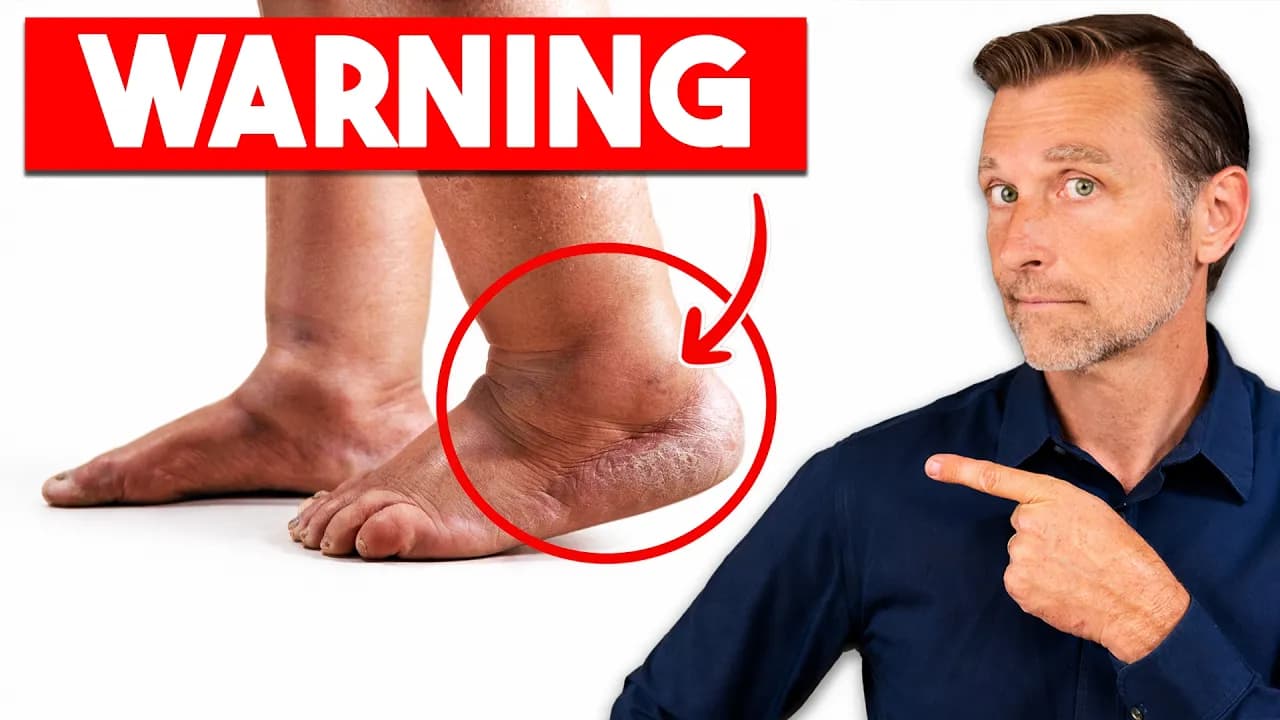
Lymphedema: What Doctors Don't Tell You (Diet Connection)
In a Nutshell
Lymphedema occurs when protein—not just water—becomes trapped in tissues due to lymphatic dysfunction, leading to chronic inflammation and permanent tissue changes. Standard treatments like diuretics fail because they concentrate the trapped protein, and metabolic issues like diabetes significantly increase risk by damaging lymphatic vessel function. Strength training, skin protection, and metabolic improvement through low-carb eating and intermittent fasting are the most effective interventions for supporting lymphatic drainage.
These notes were generated by AI and may contain inaccuracies.
Most people believe lymphedema is simply trapped water, but this is far from accurate. Every single day, approximately 4 liters of fluid leaks out of blood vessels into surrounding tissues as a normal physiological process. The lymphatic system collects this extra fluid and returns it to the bloodstream. However, it's not just water that leaks out—protein also leaks out, and the lymphatic system is the only system capable of carrying protein back out of the tissues.
When the lymphatic system fails, protein becomes trapped in the limbs. This protein accumulation is what makes lymphedema fundamentally different from ordinary swelling. In regular edema, water accumulates in the interstitial space between cells. In lymphedema, both water and protein accumulate because the drainage system is blocked. Over time, trapped protein triggers inflammation, which leads to scar tissue formation and creates additional lymphatic dysfunction.
This progression explains why lymphedema initially presents as soft and squishy, but becomes firm and permanent over time. The condition evolves from a fluid-based problem to a tissue-based structural change.
Traditional teaching states that the lymphatic system lacks a pump and requires movement to function, unlike the arterial system which connects directly to the heart. This understanding is incorrect. Larger lymphatic vessels are wrapped in smooth muscle that contracts on their own rhythm. Research on lymph transport in human legs during standing found that the majority of fluid traveling through the lymphatic system came from the vessels' own contractions, not from external movement. While movement provides assistance, the vessel's intrinsic contractions represent the primary driving mechanism.
Chronic inflammation destroys lymphatic function through excessive nitric oxide release from the vessel lining, causing dysfunction. Infections also damage the lymphatic system, particularly skin infections. Animal studies demonstrated that skin infections can affect the lymphatic system for up to 260 days after the infection, with lymphatic cells never growing back in some cases, creating permanent damage.
When lymph nodes are surgically removed, such as in the left groin area, lymphedema can develop in the left leg but not the right leg because each leg drains into its own lymphatic territory. This unilateral pattern is characteristic of lymphedema. If swelling occurs on both sides, it may indicate regular edema rather than lymphedema.
Diuretics remove water but leave the protein behind. When water is removed through diuretics, the same amount of protein becomes more concentrated in the remaining fluid, potentially causing greater tissue irritation and accelerating scar tissue formation.
An 18-year study of over 5,000 breast cancer patients at Memorial Sloan Kettering found that patients with diabetes at the time of surgery were 55% more likely to develop lymphedema compared to those without diabetes. The same surgical procedure produced different outcomes based on the patient's metabolic state.
Metabolic problems like diabetes create chronic inflammation that damages the endothelial layer of lymphatic vessels. This single-cell layer, similar to arterial endothelium, becomes susceptible to damage from high blood glucose, affecting the underlying smooth muscle layer and impairing the pumping action.
Strength training ranks highest among interventions for improving lymphatic drainage, surpassing sedentary behavior. Strength training reduces blood sugar's metabolic effects and decreases chronic inflammation.
Protecting skin health is essential, both internally and externally, to prevent infections that could destroy lymphatic function. Improving metabolic health through a low-carb diet with intermittent fasting supports lymphatic cell function, as these cells efficiently utilize ketones for energy, potentially improving drainage.
A daily routine checklist is available as a free download for implementing these recommendations.
Keep Dr. Eric Berg DC in your library
Save the videos and channels worth coming back to, and find them again in one place.