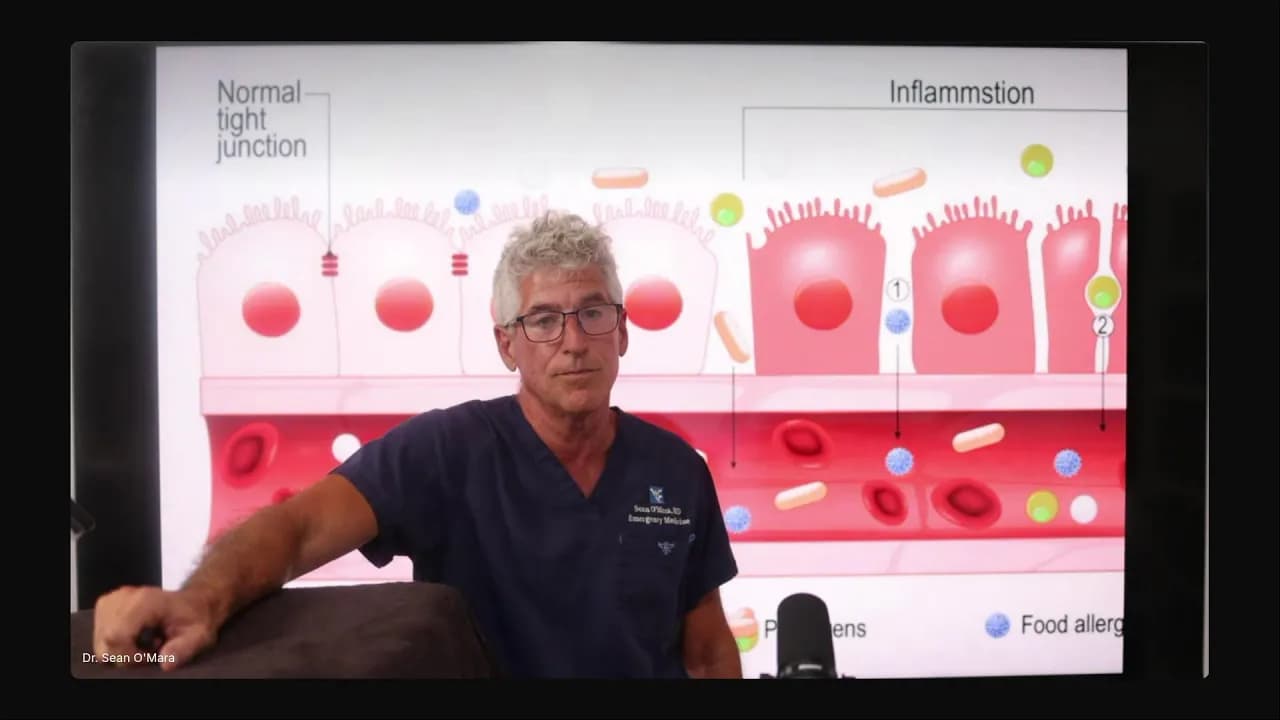
Live From Dr. Sean, The Hidden Fat Your Doctor Never Looks For
In a Nutshell
Visceral fat—not total weight loss—is the primary driver of metabolic disease, with every 10% reduction cutting long-term type 2 diabetes risk by 28% and delivering lasting cardiometabolic benefits even if weight is regained. MRI scans reveal that thin-looking people can harbor dangerous internal fat deposits, while superficial subcutaneous fat is protective; only visceral and deep subcutaneous fat need targeting. Maximum-intensity exercise, carnivore diet, and fermented foods effectively eliminate disease-causing fat without drugs or muscle loss.
These notes were generated by AI and may contain inaccuracies.
A new study demonstrates why tracking visceral fat is far more beneficial than monitoring weight loss alone. Most people focus on the bathroom scale and express interest in GLP medications because they want to lose weight rather than lose disease. The consumer mindset centers on weight loss, but enlightened consumers should focus on losing disease. Weight can represent water, muscle, myocardium, heart tissue, or beneficial superficial subcutaneous fat that protects against disease and enhances facial attractiveness.
The study utilized MRI scans to measure visceral fat over 18 months with a 10-year follow-up period. Results showed that health outcomes were most significantly impacted by visceral fat loss rather than weight loss or changes in body mass index. Weight loss alone did not correlate with improved outcomes unless it was achieved through visceral fat reduction. The most essential component of health improvement is addressing visceral adipose tissue, the dangerous fat depot.
MRI imaging reveals individuals who appear thin externally but harbor substantial internal fat deposits appearing as white areas. An active duty military individual displayed large muscles but significant internal fat accumulation. The MRI clearly distinguishes between superficial subcutaneous fat (protective) and deep subcutaneous fat (disease-causing), separated by visible black lines representing tissue boundaries.
A 63-year-old client named Joe achieved dramatic visceral fat reduction over 6 months using only natural methods with MRI-guided tracking. No GLP medications, steroids, hormones, stem cells, peptides, or drugs were used. The transformation eliminated disease-causing fat without muscle loss, vomiting, nausea, or myocardial tissue loss.
Participants regained essentially all their weight over the 10-year period, yet those who lost visceral fat maintained significant health benefits. Metabolic benefits persisted despite weight regain, demonstrating that visceral fat reduction—not body weight—predicted and delivered lasting health improvements. The study established visceral fat as the therapeutic target rather than weight loss or BMI.
Each 10% reduction in visceral fat produced measurable improvements:
- Enhanced insulin sensitivity and reduced insulin resistance
- Corrected metabolic syndrome severity
- Improved overall cardiometabolic risk
These associations remained significant after adjusting for weight gain and physical activity levels. The visceral fat reduction itself carried independent predictive value beyond Mediterranean diet intervention efficacy.
Every 10% reduction in visceral fat correlated with a 28% lower long-term risk of developing type 2 diabetes. A 50% reduction in visceral fat would theoretically exceed 100% risk reduction. Body weight and BMI showed poor correlation as surrogates for tracking metabolic health improvements.
Visceral fat influences fat accumulation in the liver (hepatosteatosis) and pancreas, known as ectopic fat. This fat deposition occurs not only in the abdomen but also around the heart (epicardial adipose tissue) and within muscles. Muscle fat infiltration explains age-related difficulties with walking and rising from chairs.
Three distinct fat compartments require attention:
- Visceral fat: Disease-causing, primary therapeutic target
- Deep subcutaneous fat: Disease-causing compartment
- Superficial subcutaneous fat: Protective against heart attack, stroke, diabetes, fatty liver disease, obesity, cancer, autoimmune disorders, and neurodegenerative conditions including MS, Parkinson's, Alzheimer's, and dementia
The carnivore diet's lower carbohydrate content eliminates fat deposits, particularly visceral fat, heart fat, and intramuscular fat. However, some carnivore dieters still present with visceral fat and epicardial fat due to dietary factors alone. Diet favors healthy fat distribution aligned with superficial subcutaneous storage but requires professional MRI-guided intervention for disease reversal rather than trial-and-error approaches.
Fermented foods function as garnishes rather than servings, with small amounts of multiple varieties added to meals. The living diet emphasizes consuming living food versus dead food. Fermentation produces superior quality through small-batch processing, generating more favorable metabolites and microbes compared to large-scale production. Dairy fermentation includes cheese, kefir, and yogurt production.
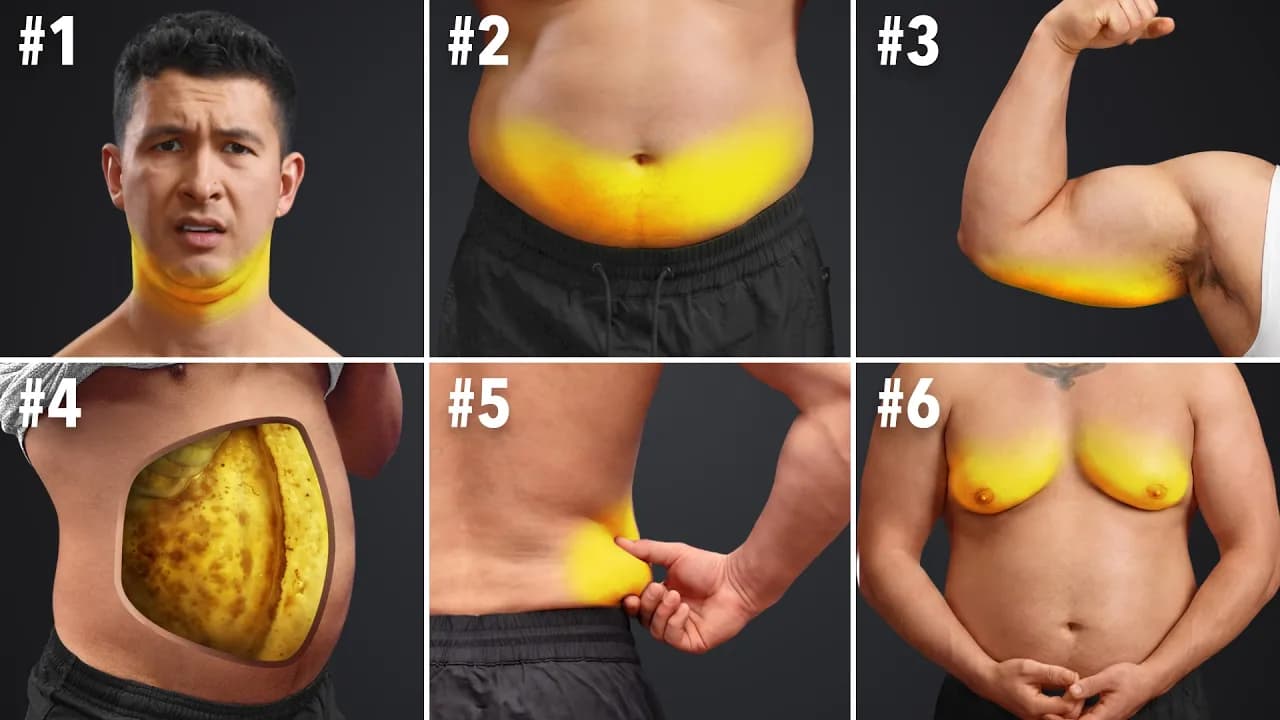
Belly protrusion indicates possible visceral fat presence through mechanical displacement, though this provides only inference. MRI remains the only accurate visualization method. Individuals without visceral fat may still exhibit abdominal protrusion due to weakened muscles allowing intestinal displacement. Complete visceral fat elimination eventually allows abdominal recovery and flattening.
Fermented foods provide superior probiotic benefits compared to supplements, delivering higher colony-forming units and greater bacterial strain strength. Consuming fermented foods with meals transforms dead meals into living meals through comastication. Fermented food microbes demonstrate better engraftment and colonization ability than capsule probiotics. The food matrix accompanying microbes enables improved colonization compared to isolated probiotic strains.
Fatty liver disease (hepatosteatosis) shows established association with atherosclerotic cardiovascular disease and myocardial infarction. However, fatty liver represents a downstream condition to visceral fat. The disease progression sequence begins with visceral fat formation, followed by liver fat accumulation, then epicardial adipose tissue development. Childhood dietary patterns including sugary cereals and syrup contribute to early visceral fat development.
Thunder thighs potentially representing lymphedema require compartment-specific MRI analysis to evaluate deep subcutaneous fat, superficial subcutaneous fat, and visceral fat relationships. Multiple factors contribute to lymphedema presentations beyond single-tissue involvement.
A lack of superficial subcutaneous fat combined with an abundance of deep subcutaneous fat causes dimpling and unattractive skin appearance. Cellulite and skin changes on the anterior surface of the legs reverse when deep subcutaneous fat is eliminated. Women who are likely pre-lymphedema but not yet diagnosed show cellulite in their legs.
The speaker is willing to work with individuals who have lymphedema. Interested parties should contact him if they have lymphedema and can afford the full program. The program includes a full body scan and spending an entire day with a doctor.
Conventional medical visits typically allow only 5 minutes with a doctor when lucky. The speaker spends 8 hours straight with each client. This comprehensive analysis is expensive, and his physician partners also operate under this model. The endeavor represents a significant financial investment.
- Perform maximum intensity exercise including sprinting as fast as possible, push-ups, and pull-ups to complete exhaustion
- Eat carnivore diet
- Take fermented foods
- Avoid jogging and endurance exercise
- Avoid being a toffee
Maximum intensity exercise means pushing to complete exhaustion rather than moderate high-intensity efforts. These recommendations are considered beneficial for health optimization.
A QR code is available to join the community and participate in challenges, access regular specials, and receive email updates about programs and new science content. For one-on-one work with the speaker or his doctors, visit drseanomara.com.
The speaker maintains presence across X (Twitter), YouTube, Instagram, and LinkedIn under drseanomara.com.
The speaker thanks participants for attending the live session and notes the next session is scheduled for Wednesday at 8 p.m. Questions not addressed live may be preserved and answered in future online sessions.
Keep Sean OMara, MD JD, Health & Performance Optimizing in your library
Save the videos and channels worth coming back to, and find them again in one place.