Michael Tilson Thomas on his love of music | 60 Minutes Archive
In a Nutshell
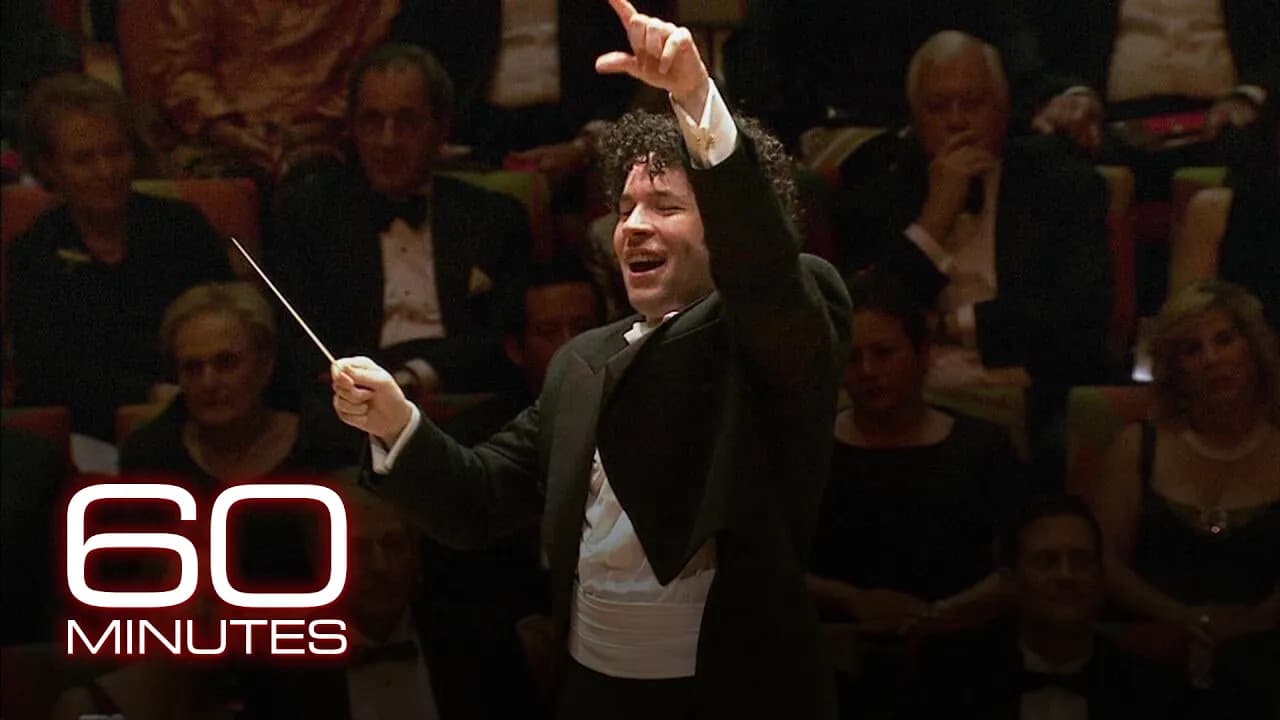
Michael Tilson Thomas defines a great orchestra by its technical excellence, sonic variety, warmth, conviction, and caring for the music and audience. As conductor, he acts as a unifier and theater director, guiding musicians to focus, take risks, and shine individually within the ensemble. He aims for audiences to experience wonder, self-recognition, and life-enriching inspiration from the music, viewing each performance as a sacred act that fosters compassion.
These notes were generated by AI and may contain inaccuracies.
How do you define a great orchestra? There are dozens considered great in the world: Berlin, London, New York, San Francisco, and half a dozen others. What sets a truly great one apart?
The greatest orchestras have fabulous technique, great variety of sound, but also a sense of warmth in what they do, a sense of warmth, conviction, a caring about the music and about the people for whom they're going to play the music, the courage to make it come alive again night after night.
The conductor is a unifier. The conductor unifies all the different ideas, all the different past histories regarding that piece, all the different reaction times, all the different personalities, and tries to make them into one focused and effective performance, while creating opportunities for individual personalities of soloists or sections to emerge.
In my mind, the conductor is much more like a director in the theater. The musicians are the ones actually doing the playing, and I am there to help them focus and clarify what they need to do so that they appear to their very best and feel that freedom and confidence to be their very best.
In the process of playing thousands of notes in every performance, they need help: "Ah, here, make more space for your colleagues over here. Be more aggressive about this. Don't be afraid to take the risk to be even quieter here." This is the way a director would help actors clarify their ensemble.
What do you expect the audience to take away? The audience is basically on your side, or they wouldn't come to listen. They don't have quite the same finely tuned ear.
I want them to take away a sense of wonder about the music's message, about how this music speaks profoundly to them, how in some way they recognize themselves in the music, they recognize parts of their lives in the music, and how the music also gives them the courage, the solace, the inspiration to go on living in a fuller and richer way.
My feeling about music, why I am a musician: I am a musician because I love the music itself, but also because I love what happens to people after the music stops.
When the music ends, if it's really great music and really well played, it can be that in some way a person's life, the listener's life, is different. They have a larger sense of compassion somehow that they have gained or that they have rediscovered through the testimony of that music.
Do you feel that every time you get up on that podium? Yes. Are you transported by the music each time? I am transported by it. Whether I make it here in Davies Hall or in some small place along the road, the experience of making the music come alive again is a sacred thing for me. Sacred? Absolutely.
Keep 60 Minutes in your library
Save the videos and channels worth coming back to, and find them again in one place.