Numbness and Tingling in Your Feet? It's Not Your Nerves
In a Nutshell
Numbness and tingling in the feet (peripheral neuropathy) is primarily caused by high blood sugar depleting vitamin B1, which starves tiny blood vessels and nerves of energy—starting at the toes. The solution requires therapeutic doses of benfotiamine (150-600 mg, 3-4x daily), magnesium glycinate, B12, alpha lipoic acid, and switching to a low-carb/ketogenic diet to provide ketones as alternative nerve fuel. Without dietary changes to reduce sugar intake, benfotiamine alone cannot reverse the condition.
These notes were generated by AI and may contain inaccuracies.
If you have numbness or burning or tingling or prickling or some type of pain in the bottom of your feet or your toes, there's a powerful remedy available. Many people end up at the doctor's office with the doctor telling them there's nothing that can be done about this because nerves don't heal and they'll have to live with it, though medication is offered. Some doctors may suggest surgery. Medication doesn't get to the root cause.
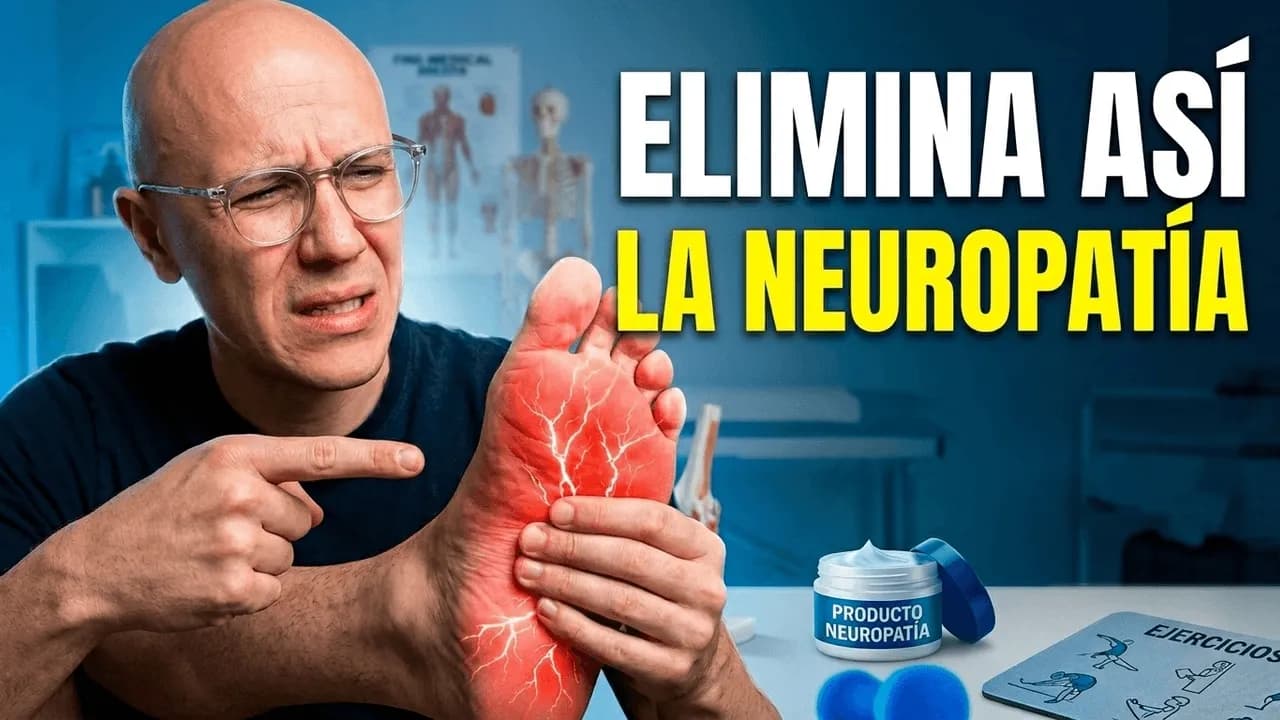
When you have numbness and tingling in the feet, the typical name is peripheral neuropathy. Peripheral refers to something on the end of the nerves like the bottom of your feet or toes. Neuropathy means nerve and disease. The focus is on the most common type related to being diabetic or pre-diabetic. A download covers the protocol for other types of peripheral neuropathy.
If someone's blood sugar is too high and they're starting to have insulin problems, the demand for vitamin B1 goes very high. Diabetics, both type one and type two, usually have a severe deficiency of B1 because B1 is needed to handle sugar metabolism in the body. The tiny blood vessels around the nervous system do not get enough cellular energy, so the nerves start dying at the very end of the nerve first - the toes. This is why even a diabetic will notice symptoms in the toes first, then the bottom of the feet.
When there's damage to the tiny blood vessels, it creates a lack of oxygen to that tissue called hypoxia, which destroys the nervous system and anything in that area. Low B1 in the body creates a lowered amount of energy and a buildup of the waste product called lactic acid.
There are two other mechanisms. One involves building up a certain type of sugar alcohol that drowns the cell - it's not going to get oxygen, can't get nutrients, and is going to die. There's also damage going on to the myelin sheet.
You need a very special type of vitamin B1 called benfotiamine. Another mistake is not taking enough - you need a therapeutic dosage. The recommendation is taking 150, 200, 300 to 600 milligrams three to four times a day spread out to really saturate the nervous system to heal the body.
Some people think they can just take benfotiamine to heal peripheral neuropathy without changing their diet, but that's not going to work. If you don't change your diet, it's going to be impossible to fix this because you keep flooding the body with too much sugar, keeping the cause of the problem ongoing.
There's a backdoor into the nervous system that allows a different type of fuel called ketones. One of the most important things to do with your diet is to go low carb and feed the nervous system ketones.
Another actual cause of peripheral neuropathy is too much B6. The typical B6 that many people take is a synthetic version, which is not the active version. It has to be converted, and many people can't convert B6 to the active form. So people who show way too much B6 in their blood really are severely deficient.
The solution is to look at all supplements and make sure they don't have any synthetic B6. Take the active version of B6 called P5P.
Another key nutrient is magnesium. In fact, B1 or benfotiamine will not work if you're deficient in magnesium. Many research studies showing that benfotiamine doesn't work for peripheral neuropathy probably aren't considering the co-factors that allow it to work, since so many people are deficient in magnesium.
The recommended form is magnesium glycinate because of better absorption. Take it ideally with meals if possible, but it's not a necessity.
If you have damage in the nervous system, especially numbness, realize that's been going on for quite some time. It might take at least 2 to 4 weeks to start working. In some cases, if it's really bad, it may take even longer - 3 to 6 months.
Another reason for peripheral neuropathy is being low in B12. One more helper compound is alpha lipoic acid, which works on many different conditions and provides a powerful antioxidant to help the nerves.
Benfotiamine can help with anything related to diabetes because diabetics have problems with the eye, the retina, the kidneys, and especially the heart. If diabetic, benfotiamine can support these tissues. Alcoholics are usually very deficient in B1 and have autonomic nervous system problems related to diabetes - benfotiamine is good for that.
Benfotiamine has been shown to help with tinnitus, foot edema, chronic fatigue syndrome, dementia, and even mood conditions like anxiety and depression, OCD, fibromyalgia, and long COVID.
The absolute most important thing to learn next is how to get the body into a state of ketosis where you can start feeding these nerves the correct fuel.
Keep Dr. Eric Berg DC in your library
Save the videos and channels worth coming back to, and find them again in one place.