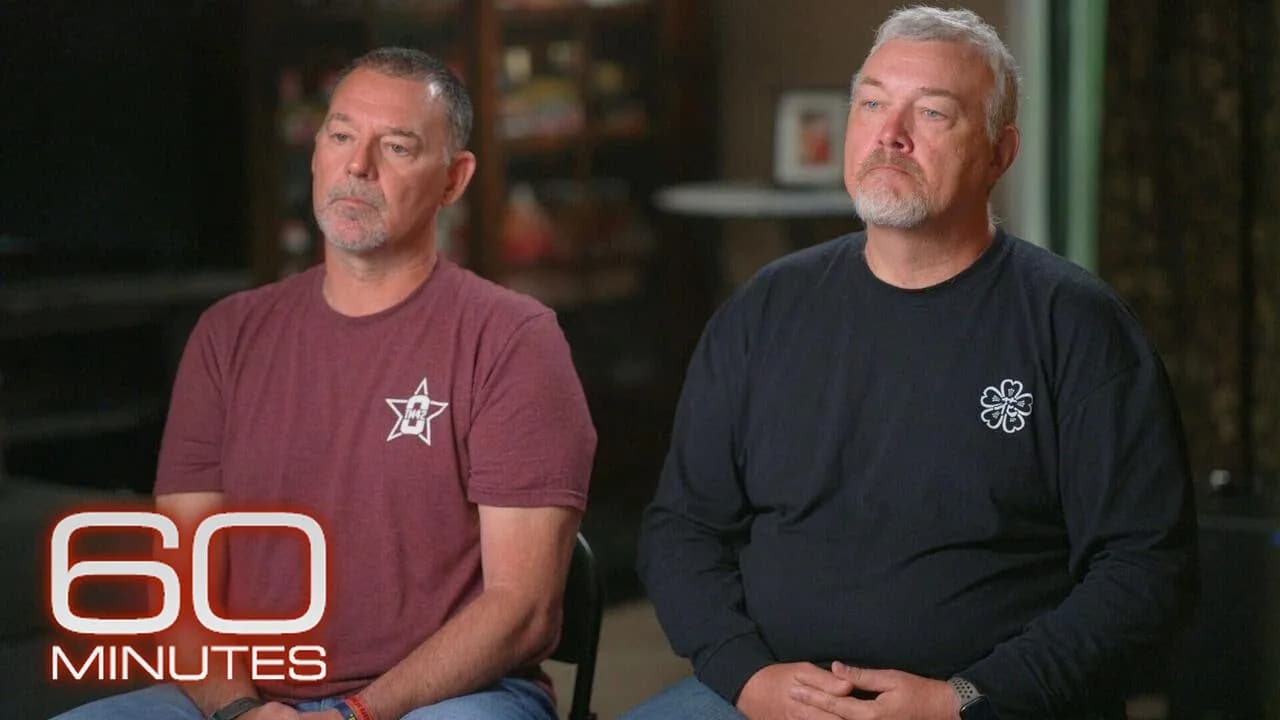
Patrick Clancy: The 60 Minutes Interview
In a Nutshell
Patrick Clancy, the father whose wife Lindsay killed their three children during a postpartum psychosis episode, shares his grief and forgiveness for the first time publicly. Despite online conspiracy theories vilifying him and a mistrial in Lindsay's case, he focuses on preserving his children's memory through a memorial playground, personal tributes, and moving forward by remarrying and planning a new family. He emphasizes that mental illness—not Lindsay personally—caused the tragedy and advocates for better perinatal mental health awareness.
These notes were generated by AI and may contain inaccuracies.
Over the last few months, a murder trial in Massachusetts has become a national obsession and a cultural Rorschach test. The story of Lindsay Clancy, a labor and delivery nurse who killed her three children and then attempted suicide, has created a vortex of online theorizing and suspicion and generated furious arguments about the relationship between mental illness and criminal fault, the ways in which the medical system fails mothers, and how men and women understand one another. At its heart though, it is a story about a family and the worst tragedy imaginable.
Tonight, you will hear from the father, Patrick Clancy, for the first time since the trial, talking about how he tried to rebuild a life in the shadow of unbearable grief, and why he wants to put the focus back on the memory of his children, Kora, Dawson, and Callen.
In the fall of 2022, when Callen was 5 months old, Patrick noticed that Lindsay was struggling. It was October and she went a few nights without sleeping. She came downstairs one morning and said, "I didn't sleep at all last night." Patrick offered to take the kids to school so she could focus on getting caught up on sleep.
Patrick did not know anything about postpartum mental illness before this experience started. He could piece together what it was like to be really anxious or depressed, but he did not know how to manage a postpartum illness. He acknowledges that mental illness has the ability to be tragically deceptive, and there are things he is sure he did not see.
Patrick and Lindsay Clancy were living in the seaside town of Duxbury, Massachusetts. They were married six years. Months after the birth of their third child, Lindsay made repeated emergency room visits. She admitted herself to a program for patients with postpartum depression and was discharged after a day of treatment. She was also prescribed an escalating number of prescription drugs. Patrick said he struggled to help his wife navigate the medical system.
December was a big struggle for her with a huge lack of sleep, deep depression, and intrusive thoughts. At the end of that month, she went to the hospital.
It was New Year's Eve when Lindsay checked herself into McLean Psychiatric Hospital. She was treated for depression and days later she was released. The family celebrated Kora's birthday on January 7th. She told Patrick she wanted to come home.
Seventeen days later, the unthinkable happened. After taking Kora to a doctor's appointment earlier in the day, Lindsay asked Patrick to run an errand and pick up dinner. When he returned home, he found her lying in the backyard, her throat and wrists cut, paralyzed after jumping from an upstairs window. In the basement, he found his children strangled. Kora and Dawson were dead. Callen somehow survived and was airlifted to Boston Children's Hospital.
Patrick did not have all the details of Callen's condition. He just knew that they got a heartbeat back. That night he really thought there was a chance that Callen would live. He remembers thinking just give me one, just give me one kid and I would raise him as best I could and I would give him the best life I possibly could. He would tell him about his brother and sister, and he was holding out hope for that. When he got to the hospital and saw the look on the doctor's face, he knew it was not going to be a good prognosis.
Callen's heart kept beating for four days. Patrick is so grateful for those four days that he had with him and so grateful he hung on. Patrick talked to him during those four days, saying "I'm so sorry." He got to hold him and lay down next to him. Callen died in his arms.
During those hours with Callen, Clancy sat and wrote tributes to each of his three children, typing with one hand while he held his baby's hand with the other. He said he was afraid if he did not write about them, they would be forgotten.
It was not just about the kids. It also had something that a lot of people found at that moment incomprehensible, which was something about Lindsay. Patrick saw headlines that said "killer mom" and "baby murderer monster," and none of them were accurate. He believes that it was her mental illness that caused that. He shared those words, and when it comes to forgiveness, he also felt that if he did not get there, he would be eaten up inside forever.
Patrick asked Lindsay if she remembered what happened. She said it was like a dream and she remembered it much in the way you would remember a dream after waking up.
When asked if he feels like he failed in some way during this period or if he did the best he could, Patrick said he thinks he did the best he could with what he had at the time, and he lives with the outcome every day. Lindsay has never asked for his forgiveness, but he gave it to her.
In the weeks after the tragedy, the crowds of mourners dispersed and Clancy's world emptied out. There was no family routine, no bedtime stories, no purpose. Everything just came to a screeching halt. There was a day where he drove by their school at the exact time that all of their friends were getting dropped off, and he could not be there anymore.
Patrick did have suicidal thoughts himself. There was a time where he did not think he would live to see his 35th birthday and he was completely fine with it.
In April, unable to stay in Duxbury, Clancy moved to New York City, seeking anonymity. Five weeks after moving to New York on May 26th, he had to figure out how he was going to celebrate Callen's first birthday. He went to St. Patrick's Cathedral, lit a candle and said, "I love you, buddy," and walked out on Fifth Avenue crying his eyes out. Nobody cared, and he thought this is where he needed to be because he could grieve.
Before moving, he had emptied the house in Duxbury, a home filled with the most visceral reminders of his children's lives. He kept some of their toys and a lot of personal items, just things that reminded him of them. Reminders are now purposefully placed around his Manhattan apartment, including a baby sloth that Kora carried everywhere, a photo of Callen wearing a bow tie almost bigger than him, and Dawson's beloved and battered helicopter. Their real handprints are also displayed.
In their hometown of Duxbury, Clancy found another way to keep them close. A brand new playground was built to feature touchstones for each child: sloths for his daughter, a firefighter for Dawson, and down the way, a toddler's play pen for Callen.
Patrick dreams about them all the time. He remembers early on having a dream maybe six months or a year after where he was in the kitchen at the house and Kora walked in. He looked at her and basically said, "Where have you been?" She came up to him and gave him a big hug. Those dreams are so real. It is like he is lucid in those dreams.
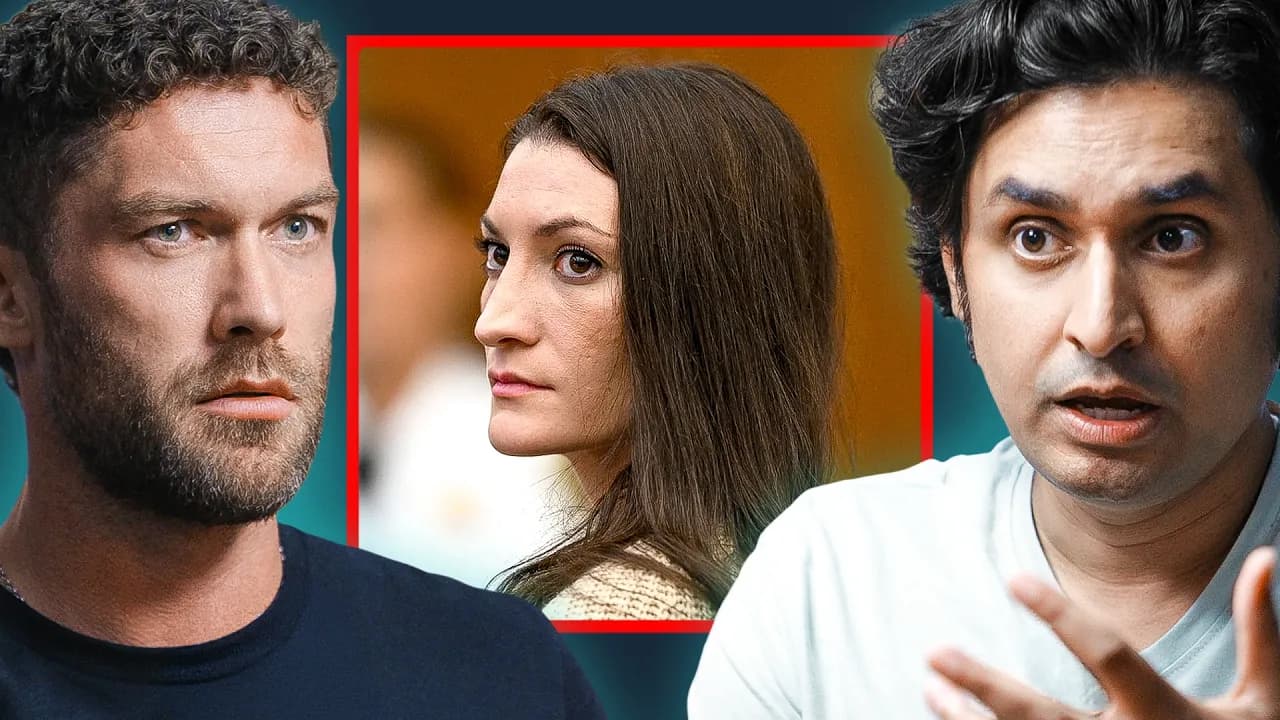
In July of this year, Lindsay Clancy went to trial for the killing of her three children. Her lawyers argued that she was suffering from dangerous postpartum psychosis and could not be held responsible for her actions. Her trial ended with a hung jury, and the judge declared a mistrial.
Meanwhile, Patrick was suddenly facing a trial by TikTok. An online swarm of sleuths and influencers has been dissecting every detail of the case, developing theories that portray him as uncaring, unfaithful, and even the murderer of his children. One of the catalysts for these theories was Patrick's apparent stoicism on the witness stand.
When asked how he responds to people who have that idea about him, Patrick said it is deeply harmful to the legacy of his children. It is a huge distraction from what really matters here, which is perinatal mental health, and it has done real harm to real people, himself included, but also others. The stuff that is out there online is painful to see and it makes it difficult to be in public. It is possible that some of those people after seeing lie after lie after lie, they start to believe it.
Testifying is very difficult. On the second day, a lot of that was focused on the night of January 24th. They took a break right before they played the 911 call, which he knew was going to be horrific. He went to a back room and started having a massive traumatic panic attack. His heart was pounding. They put him in an ambulance and offered him some medication, but he said he did not want it because he wanted to go back and finish this so he could be done with this. He went back and finished the testimony.
Clancy says reaching out to survivors and experts in the field of postpartum health has helped him. He started reaching out to people at Postpartum Support International. He reached out to psychiatrists and experts in the field and asked them what they think happened. They had some pretty deep conversations.
Those conversations helped Patrick come to terms with what happened. And so too has Dr. Rachel Danis, a fertility doctor who says they met in January of 2024 in a run club in New York. They got to know each other over coffee. Patrick pulled out his phone to pay and she noticed an adorable photo of children as the wallpaper and asked who those cuties were. Patrick said those are my kids. Then she asked if they live in Massachusetts and Patrick said they died, and this was just at the cashier.
As they logged miles together, their relationship deepened. They got married in New York City this April. Rachel said they talked a lot about what Patrick carries, the grief that he carries along with the good memories. When asked if she helps him carry that grief, Patrick said yes, 100%. His life has changed since he met Rachel in such a positive way.
Patrick and Rachel are starting a family. When asked what he is going to tell his child about their brothers and sister, Patrick said every parent can agree you have different relationships with your kids, but they are all your kids, and he cannot wait to tell them about their brothers and sister.
Patrick and Lindsay have each brought lawsuits against health care providers who treated her, alleging medical malpractice. Lindsay Clancy is being held in Tewksbury Hospital in Massachusetts, waiting to learn whether she will be retried for the murder of her children.
Keep 60 Minutes in your library
Save the videos and channels worth coming back to, and find them again in one place.