Preserving the stories and voices of 9/11 | 60 Minutes Archive
In a Nutshell
The National September 11th Memorial Museum, opening below the Ground Zero memorial plaza, will preserve the unfiltered history of the attacks—including the planes, buildings, terrorists, and voices of victims and first responders—through massive artifacts like the survivor staircase and “last column,” plus intimate recordings such as flight attendant CeCe Lyles’ final voicemail. Its central space honors each of the nearly 3,000 victims with photographs and family remembrances, ensuring future generations confront both the human cost and the identities of the perpetrators. Despite years of delays, funding struggles, and painful debates over images of people jumping or photos of Osama bin Laden, the museum’s mission is to tell the complete, unvarnished story so the truth of 9/11 is never forgotten.
These notes were generated by AI and may contain inaccuracies.
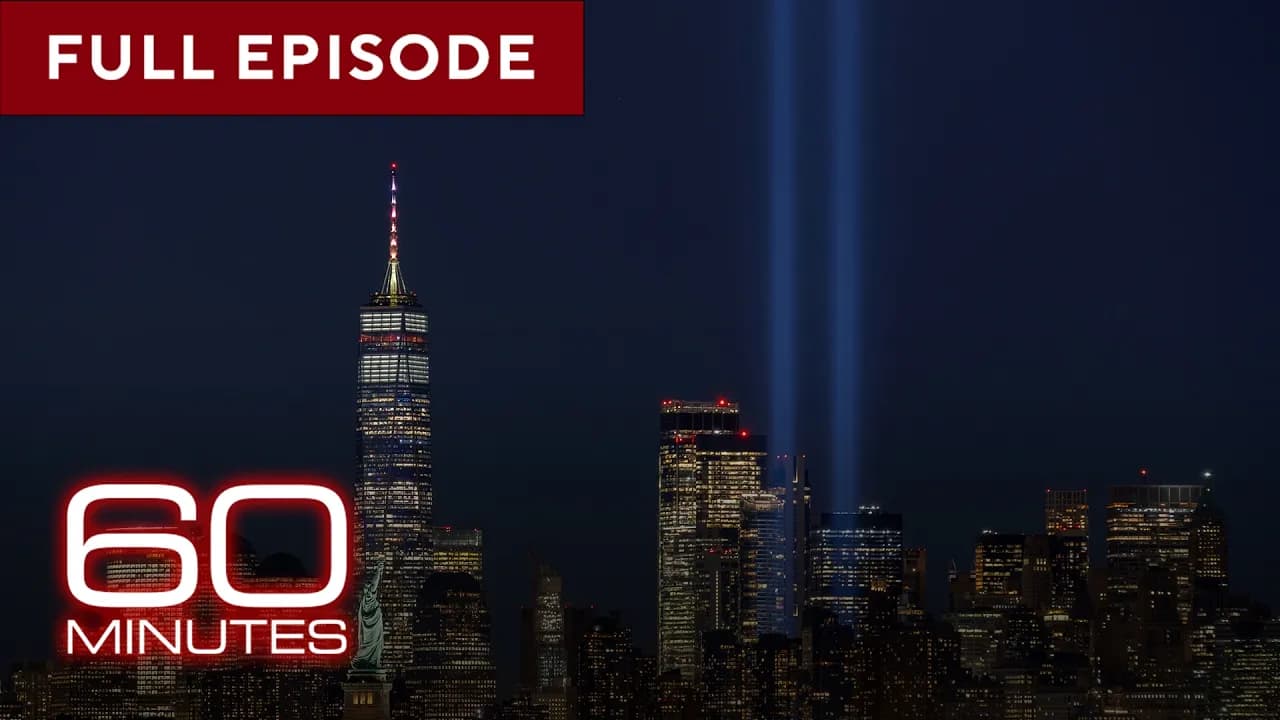
Ground zero above ground features a serene memorial plaza with two giant cascading pools in the footprints where the World Trade Center towers once stood. Each pool is surrounded by 2,983 names of victims, plus some unidentified. Nearly 10 million visitors have come to touch and feel the memorial. The National September 11th Memorial Museum will be located seven stories below ground and is scheduled to open next spring. The project has faced delays, funding battles, and flooding from Hurricane Sandy. The museum will handle what actually happened on 9/11, including the buildings, planes, and terrorists, which the memorial plaza does not cover.
Alice Greenwald serves as the museum director, having previously worked at the Holocaust Museum in Washington, DC. The museum occupies the space literally below the memorial plaza. Foundation Hall is described as sacred ground where the buildings collapsed, with the museum existing within the actual artifact rather than housing artifacts.
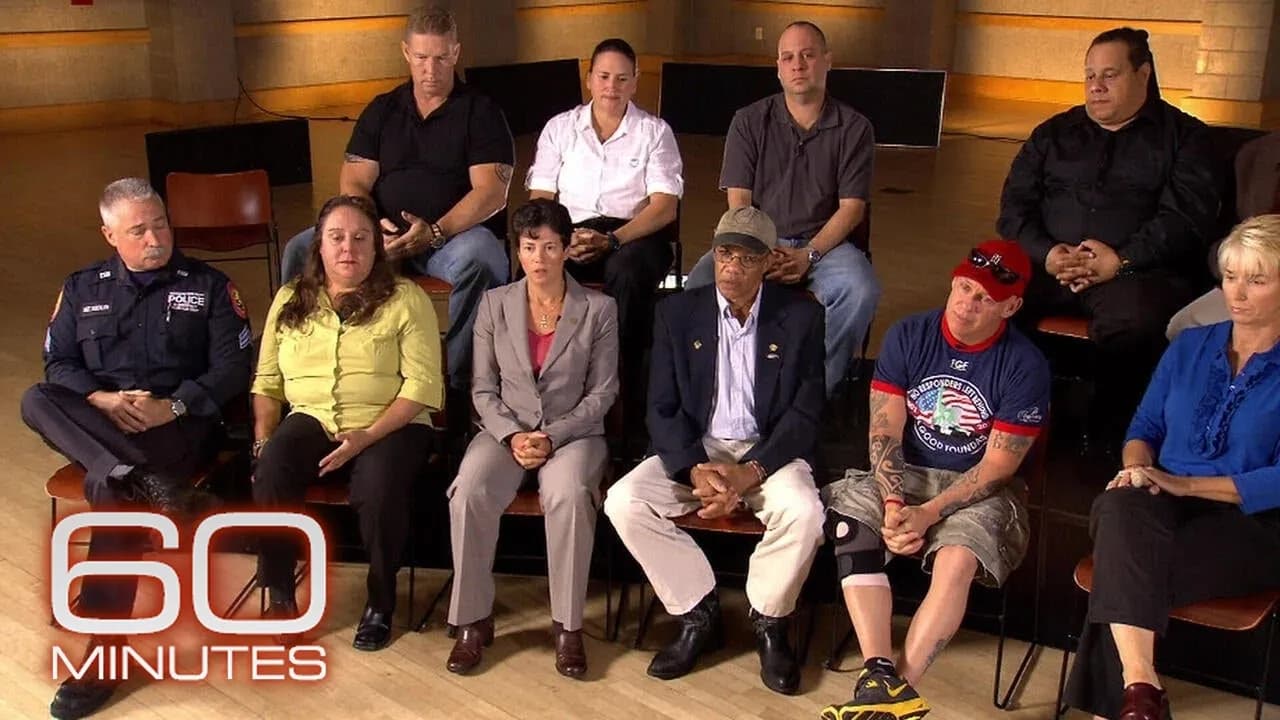
Four family members serve on the museum's board: Paula Grant Barry (husband David worked in tower two), Monica Iiken (husband Michael worked in tower two), Thula Katamatus (brother John was in tower 1), and Tom Roer (daughter Jean was a flight attendant on American Airlines flight 11). Family members describe the site as radiating something special, representing the final resting place of their loved ones.
An enormous staircase now encased in wood served as an escape route on 9/11, with hundreds of people running to safety down it. This "survivor staircase" is one of several artifacts so large the museum had to be built around them.
The story of 9/11 begins with voices of people from around the world remembering where they were when they heard about the attack. The approach acknowledges that most visitors bring their own memories of 9/11, which was witnessed globally within hours.
A fire engine was lowered through a hatch in the roof to honor first responders, 441 of whom lost their lives. The famous "last column" represents the final massive remnant of the towers removed from the site.
A large projection on the wall will show the morning of 9/11 as it played out in the air, including flight paths of the four planes. The audio includes recordings such as flight attendant Cece Lyles' message to her husband: "Baby, you have to listen to me carefully. I'm on a plane that's in hijack... There are three guys. They hijacked a plane. I'm trying to be calm... I hope to be able to see your face again, baby. I love you. Bye."
An adviser described voicemail messages as a form of human remains, noting that "sound can be a more emotional form of communication because you hear the timbre of the human voice." The museum plans to include a few recordings with family permission and purposeful use. The most sensitive question involves whether to show images of people jumping from the towers.
A space devoted to honoring victims' lives features photographs of each victim lining the walls, creating the impression of being surrounded by nearly 3,000 faces. The victims ranged from ages 2 and a half to 85, from over 90 countries, representing every sector of the economy and ethnic group. Interactive tables allow visitors to search profiles with photos and recorded remembrances from family members and friends.
The families of nearly 3,000 people represent 10,000-20,000 individuals with different perspectives about what the museum should include. Every tiny detail became an argument, including whether to exhibit pictures of the perpetrators and Osama bin Laden.
Some family members argued against showing images of perpetrators, stating it would demean the memory of loved ones by showing their murderers on this actual ground. Others demanded accountability, arguing it was important to point fingers and express who did this to their loved ones. The museum decided to show these images so no visitor leaves without knowing who committed the attacks.
The museum will include tributes to recovery workers and volunteers to show stories of heroism, selflessness, and the spirit of unity after the attacks.
By the time the museum opens, virtually no one under age 17 will have firsthand memory of September 11th, 2001. The museum serves to tell future generations exactly what happened so no one ever forgets, including the painful details of this brutal attack on the country where 3,000 innocent people were murdered.
Keep 60 Minutes in your library
Save the videos and channels worth coming back to, and find them again in one place.