Ralph the dog's impact on science and his family
In a Nutshell
The Dog Aging Project studies over 50,000 dogs, including Ralph—a family pet diagnosed with advanced dementia in 2025—to uncover insights into human Alzheimer's, as dogs exhibit similar brain shrinkage, neuron loss, and fluid buildup. Ralph failed memory tests, showed MRI-confirmed atrophy, and participated in a rapamycin pilot study, where his post-mortem brain revealed fewer inflammation-causing microglia cells compared to placebo dogs. Keep dogs active, mentally stimulated, and on a good diet to support brain health, mirroring human advice.
These notes were generated by AI and may contain inaccuracies.
60 Minutes overtime reported on the Dog Aging Project, a collaboration between dog owners, scientists, and veterinarians to study dogs as they age. Over 50,000 dogs have participated, some suffering from dementia. Scientists hope to unlock secrets of a longer, healthier life for humans.
To understand human disease and to be able to intervene and even prevent human disease, we have to find the right model. And in dogs, we think we have a really unique opportunity.
Dr. Dirk Keene, a neuropathologist from the University of Washington, believes studying dogs with dementia can provide insights into human diseases like Alzheimer's. Dog brains have the same frontal lobe, temporal lobe, and occipital lobe as human brains, with the same basic shape.
Dementia changes brain size and structure similarly in humans and dogs. Disease kills neurons, causing the brain to shrink and the middle cavity to enlarge with fluid.
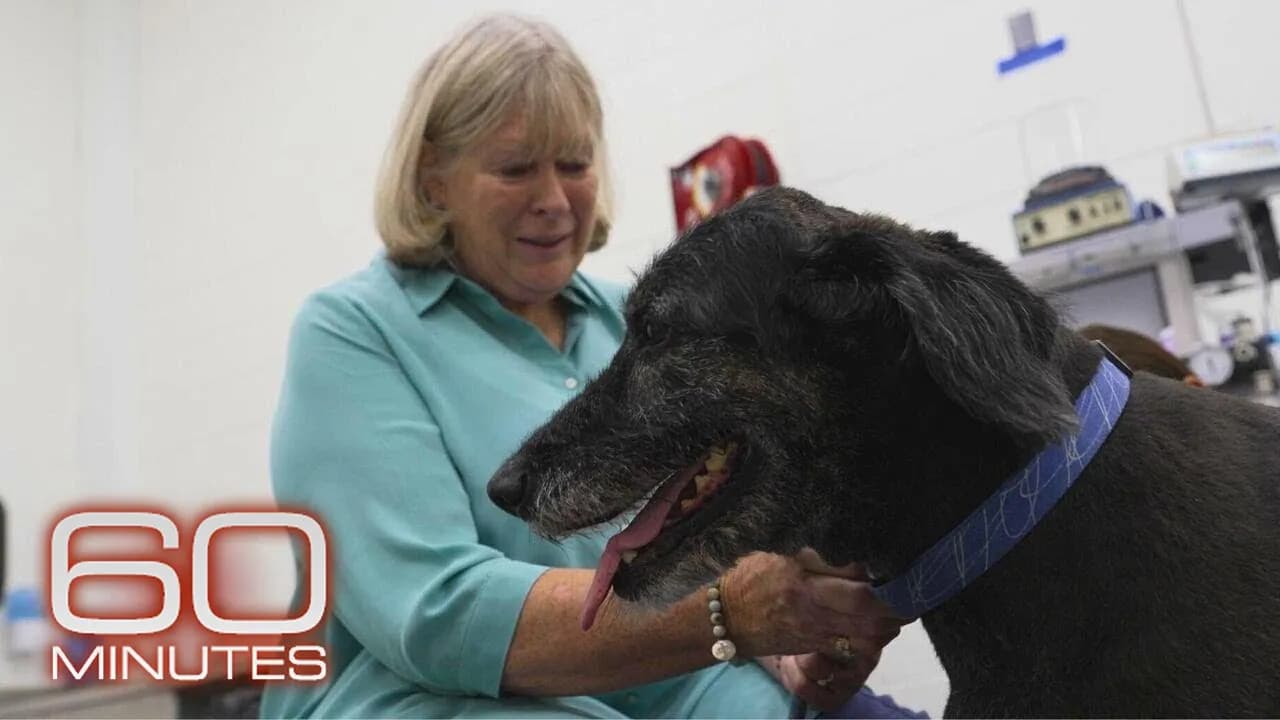
The Ro family—Tara, husband Jason, young daughter Eloise, and dog Ralph—noticed changes in Ralph's behavior in 2024. Last winter, he couldn't calm down, paced, panted a lot, and wasn't himself. He loves ice cubes but wouldn't notice them on the floor; they had to hand it to him. He wanders around the house.
In February 2025, Ralph took a cognitive test and was diagnosed with dementia. He was enrolled in the Dog Aging Project because he could help figure out what works for dementia in dogs.
Comparative psychologist Evan MacLean and veterinary neurologist Stephanie McGrath tested Ralph's memory. In the test, Ralph was shown where a treat was hidden and seconds later allowed to get it.
- First time: Forgot, wandered off, picked up lint.
- Second time: Walked to MacLean then away.
- Third time: Sniffed around then wandered off.
Ralph has a more advanced form of dementia and had trouble remembering even when shown exactly where the treat was.
Ralph had an MRI. McGrath compared it to a healthy dog of the same age without dementia. The difference is stunning: Ralph's brain has shrunken, with more visible white fluid that should be scant. As it atrophies, fluid fills the space. The same occurs in human beings.
Currently, no broadly effective treatment for dogs, like Alzheimer's in humans. Researchers are testing medications, lifestyle changes to slow, prevent, or improve signs. In dogs, not much can be done to slow it yet.
Ralph passed away in December.
Julie Moreno, molecular biologist from Colorado State University, conducted a pilot study of the drug rapamycin with 12 dogs showing dementia signs. One group, including Ralph, received a rapamycin pill; others got placebo.
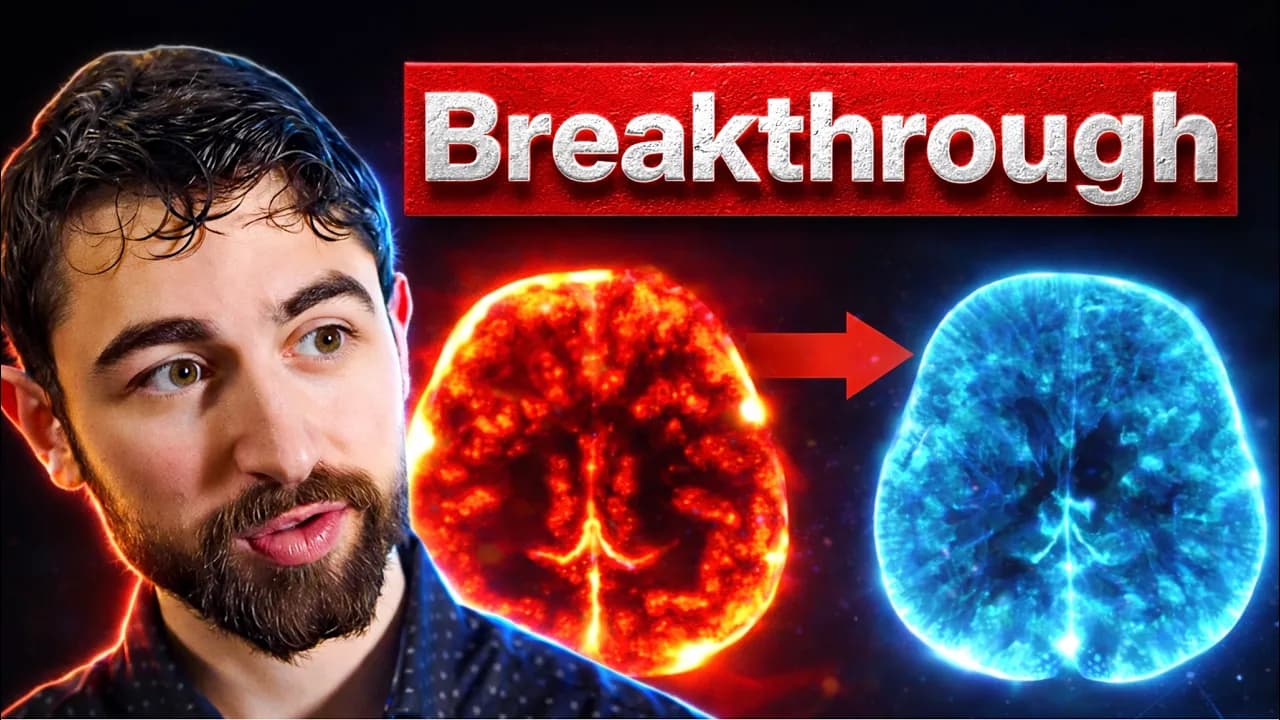
As dogs die, Moreno examines brains. Rapamycin dogs had fewer microglia cells producing inflammation associated with dementia.
If you just kind of focus in on this side you see quite a bit of those teal colored microglia. And then if you look over here you just see less, like there's just less number of them.
Ralph's brain (right slide) had noticeably fewer microglia than a placebo dog (left slide).
The Ro family is happy Ralph contributed to aging science.
What can I do right now and in the weeks and years ahead to protect my dog's brain health?
The more skeptical answer is we're still trying to figure it out. The more optimistic answer is all the things you kind of hear about in humans seems to be doing the same thing in dogs. So keep them active, keep them working, keep them thinking. And good diet.
I mean, it's the same thing as a human being.
Keep 60 Minutes in your library
Save the videos and channels worth coming back to, and find them again in one place.