Sam Altman is starting to panic
In a Nutshell
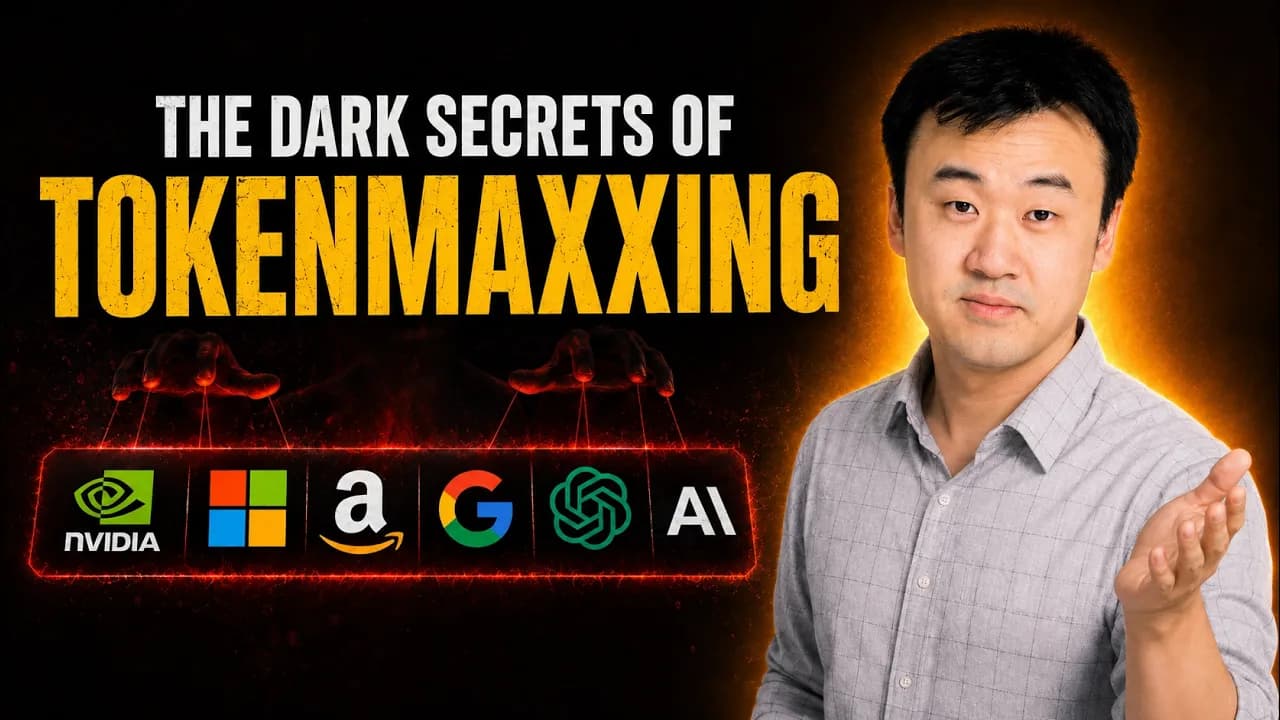
Sam Altman and OpenAI face mounting enterprise backlash over unsustainable AI costs, with major companies like Uber burning through annual AI budgets in months and reversing incentive structures after realizing 90% of generated output goes unread. The core problem is structural: autoregressive LLMs require rereading full context for each token, creating massive inefficiency where companies pay premium prices for outputs that are often confidently wrong. This cost crisis is forcing OpenAI toward an IPO as a funding necessity while enterprises quietly restrict or abandon AI initiatives that fail to deliver net value.
These notes were generated by AI and may contain inaccuracies.
The CTO of Uber, described as a man in his early 50s attempting to appear current, is terrified of being left behind by younger competitors. He fears that failing to publicly embrace AI will result in being labeled outdated by a 26-year-old with a man bun and trust fund tweeting "Okay, boomer." Industry veterans including DHH and Uncle Bob are publicly praising AI adoption to avoid appearing resistant to new technology.
The Uber CTO conducted a two-hour internal demo showcasing LLM capabilities to the entire company. The audience in the front row reacted with visible enthusiasm. The demo cost $1,200 in tokens despite being intended to demonstrate cost-saving technology. This created a contradiction where the demonstration itself cost more than what it was supposed to replace.
Uber maintains an internal dashboard tracking token usage by team. Teams burning the most tokens receive recognition and rankings as top performers. The COO reportedly called the resulting bill a "head exploding moment."
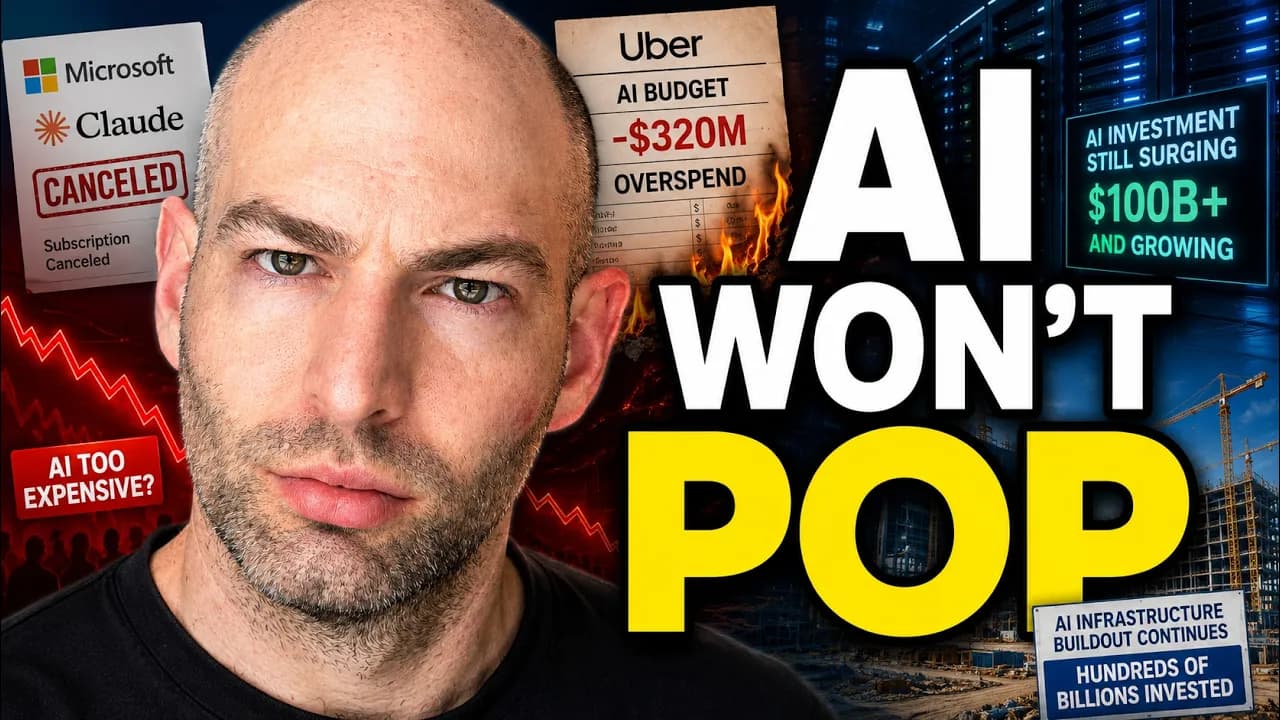
Uber had established an annual AI budget for 2026 to prevent runaway costs. The entire yearly allocation was exhausted by April. The spending did not result in shipping additional features or market expansion. Instead, it produced summarized emails and specifications, including one spec described as so lengthy it gained sentience and deleted itself.
Hundreds of billions of words were generated through generative AI, with an estimated 90% never being read. Following the budget crisis, Uber reversed its incentive structure. Engineers who spend the least on tokens are now ranked highest. Each engineer is now capped at $1,500 per month in AI spending.
The autoregressive nature of LLMs requires the model to reread the entire conversation context for every word generated. This creates inherent structural inefficiency. The speaker compares the system to a slot machine that delivers intermittent rewards, where 20% of outputs provide value while 80% produce confident but incorrect information.
This design creates addiction through variable reinforcement. Engineers who could write code themselves instead repeatedly query the model, hoping for a successful output. The mechanism is described as the most addictive psychological design applied to enterprise engineering teams with leaderboards attached.
Walmart created an internal agent called Code Puppy with unlimited token access. After costs escalated, the program was restricted. Microsoft, a major OpenAI investor, cancelled its own cloud licenses due to similar cost concerns. GitHub Copilot transitioned customers from subscription to token-based billing, resulting in some customers experiencing 100x price increases.
No companies are reporting that AI has transformed operations into a well-oiled machine. At best, it solves some problems while creating new ones. It remains difficult to implement effectively and has never been profitable for any organization. OpenAI loses $1.22 for every dollar earned. Funding has come from SoftBank and Saudi sources, with the IPO positioned as the next capital source.
Sam Altman is conducting enterprise presentations where he acknowledged that companies are complaining about pricing, noting this issue has become significant. He did not present a plan to address costs and appeared surprised by the feedback. The IPO is driven by necessity rather than choice, as OpenAI lacks additional funding sources.
The market accepts losses when accompanied by a growth narrative. AI is positioned as the birth of a new species, with any operational difficulties framed as necessary birth pains. When stock prices fluctuate, the response frames short-selling as morally unacceptable opposition to consciousness itself.
AI is predicted to remain narrow in application, useful primarily for coding and verifiable tasks when heavily supervised. For other uses, it functions as an expensive method of being confidently incorrect while maintaining user engagement through reinforcement loops. The generative approach rebuilds entire outputs rather than making targeted edits, matching the volume of generation with corresponding costs.
The speaker concludes by suggesting someone inform the Uber CTO that his demo was mid.
Keep Mo Bitar in your library
Save the videos and channels worth coming back to, and find them again in one place.