So This is Peak Smartphone
In a Nutshell
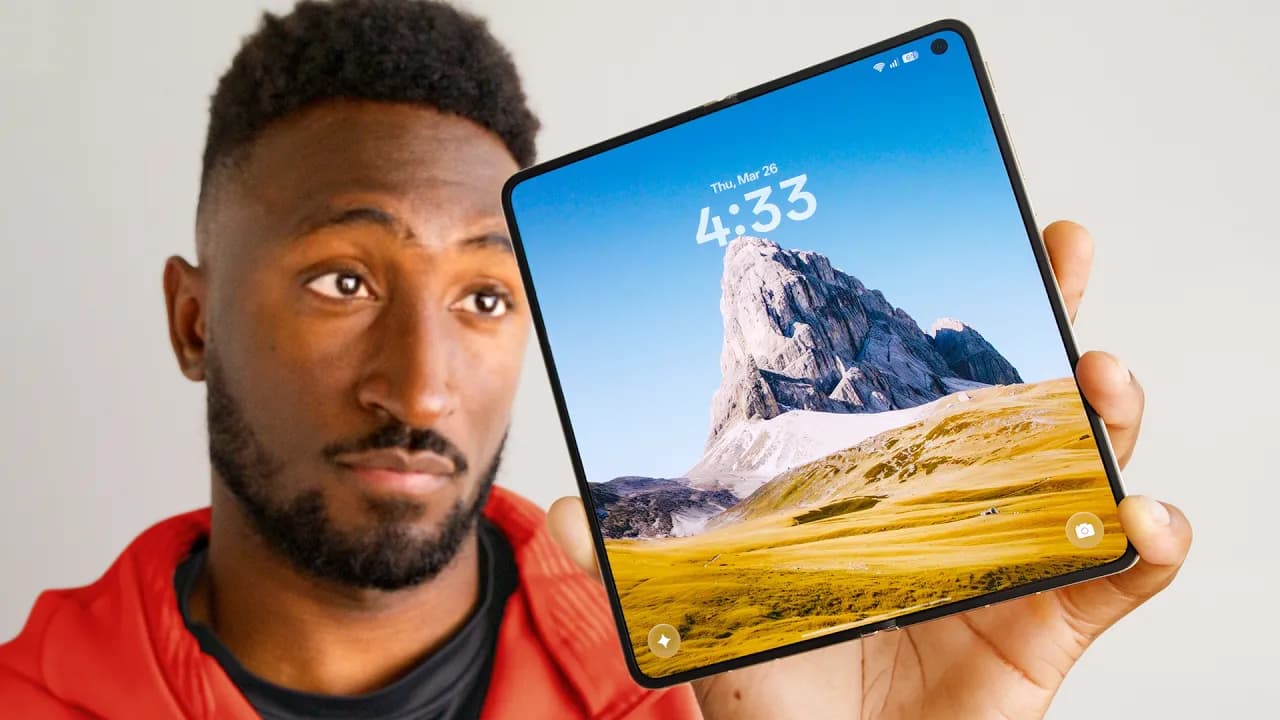
The Oppo Find X9 Ultra represents peak slab smartphone with Snapdragon 8 Elite Gen 5, 7,000 mAh battery for 7-8 hours screen-on time, 6.8-inch super-bright OLED, IP69 build, top performance, and a groundbreaking 200MP main + 200MP 3x telephoto + 50MP 10x + 50MP ultrawide camera system tuned by Hasselblad. It achieves watermarks in display, battery, performance, and build—settling the final form of high-end flagships—but cameras remain the last challenge, excelling via computational photography for versatile, reliable shots that rival pros for most uses without fully replacing them. Peak slab status is temporary as improvements continue, much like the Oppo Find N6 for foldables.
These notes were generated by AI and may contain inaccuracies.
This is Peak Slab phone for now. The Oppo Find X9 Ultra has been tested for almost a month. It's the newest maxed out flagship that makes Samsung's S26 Ultra feel not so ultra. Specs include Snapdragon 8 Elite Gen 5, 7,000 mAh battery, 6.8 in super bright OLED, and an insane 200 megapixel camera system on the back.
Oppo Find N6 was called Peak Foldable because it engineered away downsides like front bezels, cameras, and crease, reaching the watermark of a great phone that folds in half. Peak slab phone is harder to define as a better one will come in a year, but we've achieved all special watermarks except one, which we won't achieve.
Smartphone trends: curved screens came and went, pop-up cameras came and went, ultra wide cameras stuck around. We've settled on the final form of a default high-end flagship. Five pillars of a great smartphone: great display, great battery, great build, great performance, great cameras. If a phone aces all five, it's great. Each improves at different rates, chasing watermarks.
Display watermark: a screen that looks good all the time. Screens got bigger, thinner bezels, tried curved edges but settled on large, flat, bright OLED with high refresh rate, high resolution, under-display fingerprint reader, hole punch selfie camera. Insanely bright for outdoors, down to 1 nit with high frequency PWM dimming. Higher peak brightness and contrast in flagships, plus features like privacy display. Box checked, watermark achieved.
Battery watermark: lasts all day no matter what. Early 4G phones like HTC Thunderbolt didn't last a school day. Phones got efficient, batteries bigger and denser: hit 3,000 mAh, then 3,500 mAh. Average screen on time went from 2 hours to 3, 4, 5 hours. Silicon carbon batteries in last 2 years pushed from 5,000 mAh to 6,000 mAh+. X9 Ultra has 7,000 mAh (corrected from transcript). Gets 7-8 hours screen on time, often a two-day phone, ending normal day at 60%. 100W wired or 50W wireless charging. Box checked.
Performance: high-end chip, smooth animations, responsive display, long updates. Year-over-year improvements in graphically intensive games or benchmarks. Box checked. Build: metal rails, square, built like a tank, improved glass, IP69 resistance. As long as not ugly, good.
Cameras are where we get stuck. Smartphone presentations now have 20 slides on cameras. Experiment: photos from every generation of iPhones, Samsungs, Google phones in daylight, low light, backlit. Cameras grew from pinhole to huge multi-camera systems. 2026 watermark: smartphone camera as good as a regular camera, but this battles physics and can't be fully won.
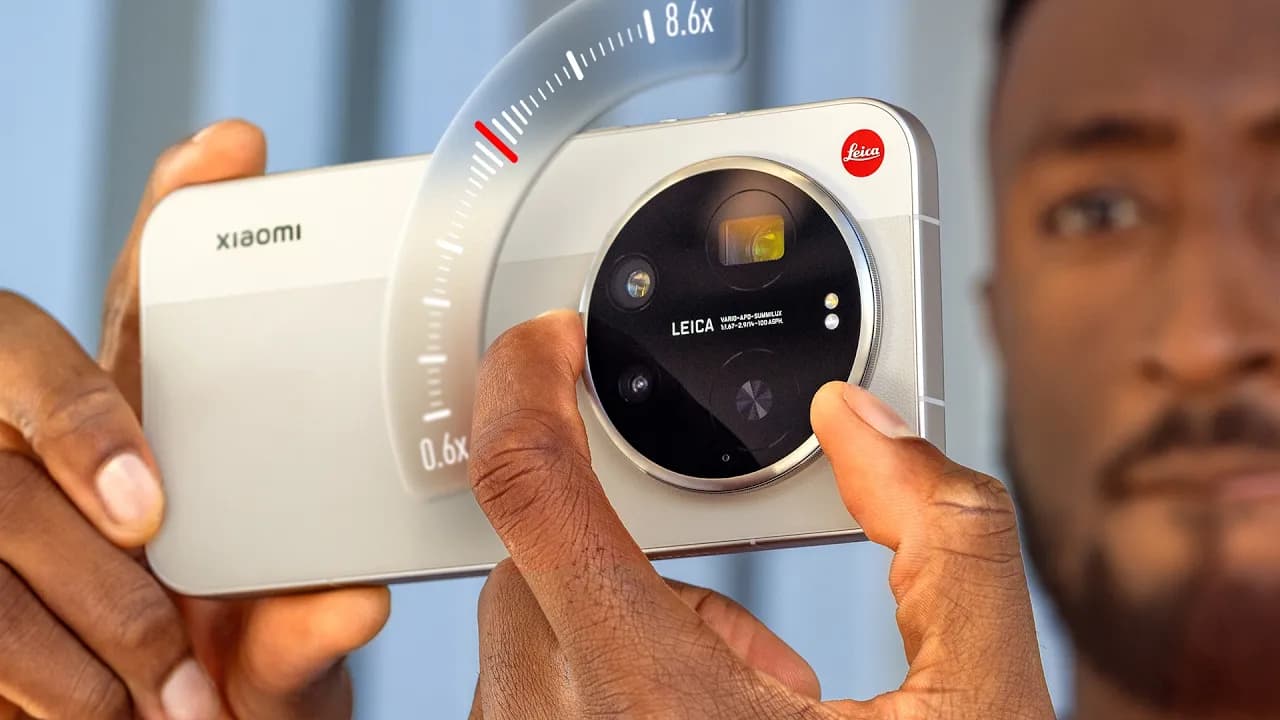
X9 Ultra built around camera: faux leather back, orange accent, Hasselblad and Oppo text sideways. Five sensors:
- 200 MP main with biggest 200 MP sensor in a phone, wide aperture, OIS.
- 200 MP 3x telephoto, biggest telephoto sensor in a phone, bigger than many mains.
- 50 MP 10x with sensor shift stabilization.
- 50 MP ultrawide.
- Dedicated true color sensor for accurate white balance.
Oppo X9 Pro won smartphone camera of the year. Ultra version has better hardware, tasteful minimal processing. Takes 2-3 seconds to finalize shots, some HDR, but versatile focal lengths yield great results.
OPPO wants you to think of this as a Hasselblad camera, based on Hasselblad X2D Mark II.
Owns Hasselblad X2D Mark II; they are opposites. Smartphone: most capable, versatile, convenient camera using computational photography. X2D: professional, deliberate, no computational photography, no video. Smartphone will never replace high-end professional camera due to physics. Sensors improve but so do pro cameras. True even over RX00-type cameras.
Great smartphone camera minimizes misses, maximizes makes—like a self-moving basketball hoop. Computational photography ensures good shots; enthusiasts prefer less overprocessed look. Updated watermark: takes a really good photo or video anytime.
Phones defy physics with portrait mode, Hasselblad modes emulating bokeh. Lens attachments: Oppo with Hasselblad, Vivo X300 Pro with Zeiss—specialized case, lens, battery grip, two-stage shutter for 400 mm zoom. Mimics real thing; strength in versatility.
Like turning iPad into laptop: multi-window, desktop-class browser, file manager, but wobbly weight—not a pro laptop replacement. Good for YouTube, social media, browsing, word processing, light photo/video editing. Smartphone cameras same: pros have place, but great for most. Shoots pro videos with real cameras, autofocus channel on smartphones (latest on X9 Ultra).
Curious about Peak Slab Phone in 2026.
Keep Marques Brownlee in your library
Save the videos and channels worth coming back to, and find them again in one place.