So This is Peak Foldable
In a Nutshell
The Oppo Find N6 is the peak foldable phone in 2026, eliminating all major compromises with a 6.6-inch cover screen indistinguishable from slab flagships, an 8.1-inch crease-free inner display (no visible or tactile crease via innovative laser-printed polymer hinge), flagship Snapdragon 8 Elite Gen 5 processor, 200MP ISO HP5 camera system, 6000mAh silicon-carbon battery, IP59 rating, and stylus support. At under 9mm thick and 230g, it matches premium slab phones like the iPhone 17 Pro Max in one-handed usability, durability (600,000 folds), and specs. Apple is expected to enter foldables later this year with a compact passport-style design opening to an 8-inch iPad-mini-like screen, potentially adopting similar mature tech.
These notes were generated by AI and may contain inaccuracies.
Foldables were for early adopters only and didn't make sense for regular people until the only difference between a foldable and a regular phone is that one folds in half with no other compromises. When it started 7 years ago with the Galaxy Fold 1, it was exciting that it folded in half, but there were compromises: huge bezels on the cover screen, smaller subpar cameras and battery, extremely compromised durability, and a massive crease through the middle. Every year, foldables improved from multiple companies, tackling compromises: thinner designs, bigger batteries, better hinges, smaller creases. This led to the Oppo Find N6, peak foldable.
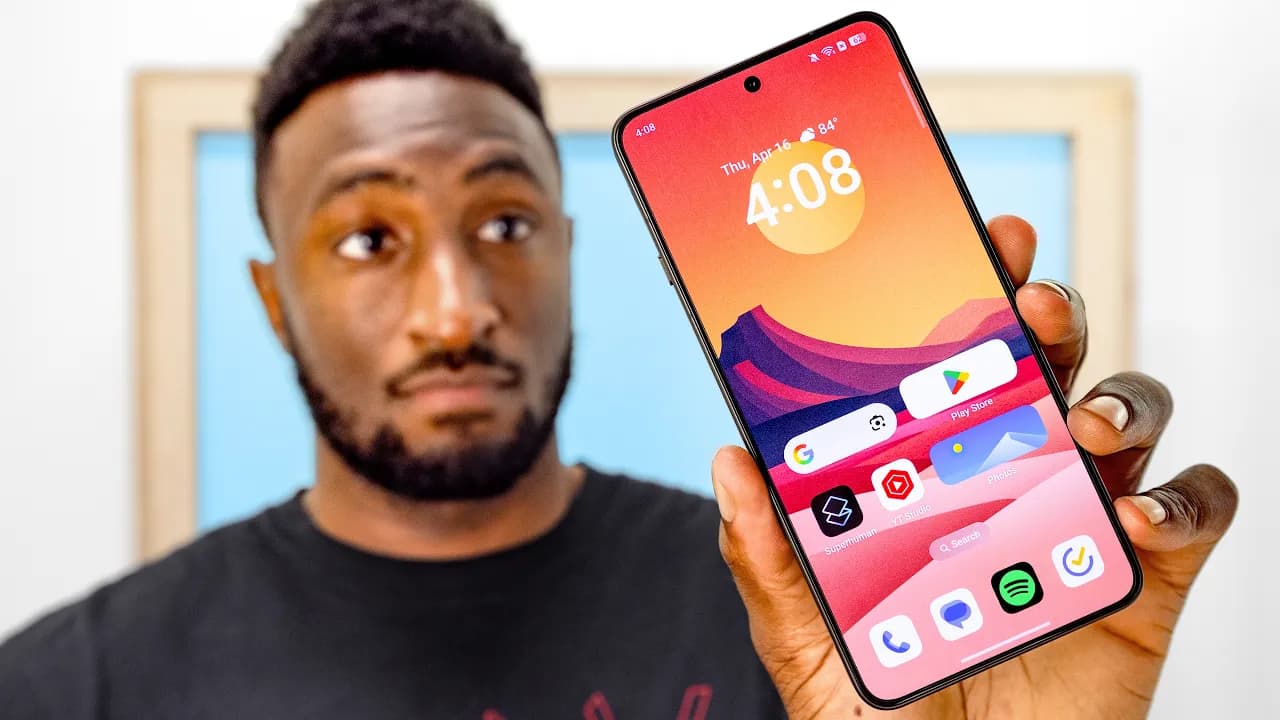
Old foldables sucked for one-handed use due to thickness, worse bezels, and compromises versus slab phones. Recent thinner foldables culminated in the Oppo Find N6, which from the front looks like a normal 6.6-inch slab phone, with asymmetrical metal (rounded corners on one side, square on hinge side) as the giveaway. OPPO excelled in materials and build; it feels like a regular slab phone, just under 9 mm thin, 230 g. For context, iPhone 17 Pro Max is also just under 9 mm thin, around 230 g. Dimensions-wise, no compromises before opening.
Previous foldables had external screens you didn't want to use; you'd open for the better screen. This external screen is perfectly fine for pictures, videos, texting (normal aspect ratio, not too small keyboard). Flagship specs: 3600 nits peak brightness, 1800 nits full screen, 120 Hz LTPO, high frequency PWM dimming.
Folding challenges included fitting components in smaller, thinner form factor split by hinge. Foldables lacked flagship cameras and had smaller batteries despite bigger displays. In 2026, silicon carbon batteries enable 6000 mAh total in this ultra-thin split phone (more than many slab phones), 80W charging, 50W wireless.
Cameras: physical sensor size limited by Z-axis, but big sensors with shallow thickness developed. Same ISO HP5 sensor as S25 Edge: 200 MP, 1/1.56", optically stabilized; 50 MP ultrawide; 50 MP 3x telephoto.
Processors improved; this has Snapdragon 8 Elite Gen 5 (bend version, one less core), effectively flagship, plus dedicated S1 chip for better network performance.
IP59 water and dust resistance; can spill water on it.
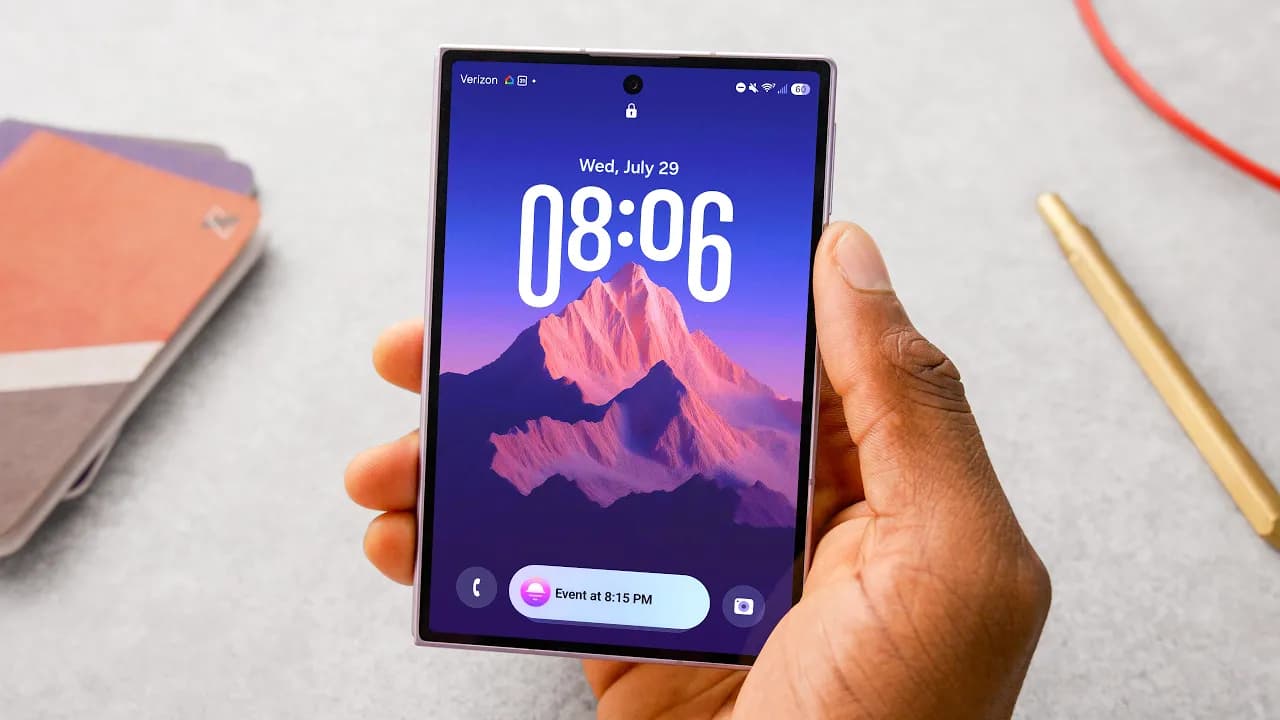
Center display is 8.1 inches corner-to-corner square, same full screen brightness, 1-120 Hz LTPO, PWM dimming. No perceptible crease; minimal if looking closely, unlike other foldables.
No feel crease innovation: teardrop shape when folded softens crease radius. Main: laser scan each titanium hinge for surface variations, 3D print liquid polymer to fill micro gaps, harden with ultraviolet light. Reduces surface variations from 0.2 mm to 0.05 mm (less than half human hair thickness). Thicker top glass layer enhances visual and feel difference. Durable for 600,000 folds without significant crease.
Unlike Samsung's Fold, has pen support. Half case snaps on back, holds pen near coil for wireless charging from phone's battery. Works on cover and interior displays: >4000 levels pressure sensitivity, minimal lag. Pen has Bluetooth for remote camera shutter.
In 2026, Oppo Find N6 is complete: engineered away all folding compromises. Aside from price, it's a regular phone that folds in half. Peak foldable.
Before Apple enters with expected folding iPhone end of this year. Apple waits for emerging tech to mature, then jumps in with learnings: Vision Pro after VR headsets, HomePod after smart speakers, original iPhone after mobile phones.
Now tech mature, ready for Apple's version. Question: what's the Apple twist for foldable iPhone? Rumors: small passport style, short squat 5.5-inch display closed, opens to almost 8-inch widescreen like portable iPad mini. Throwback to earlier fold shapes like previous Oppo Finds.
Unclear on software: special iPad OS when open? Multi-window multitasking? Will it adopt no feel crease, thin build, silicon carbon battery, flagship cameras? Looking forward; subscribe for coverage.
Keep Marques Brownlee in your library
Save the videos and channels worth coming back to, and find them again in one place.