This Study Changed How I See Junk Food
These notes were generated by AI and may contain inaccuracies.
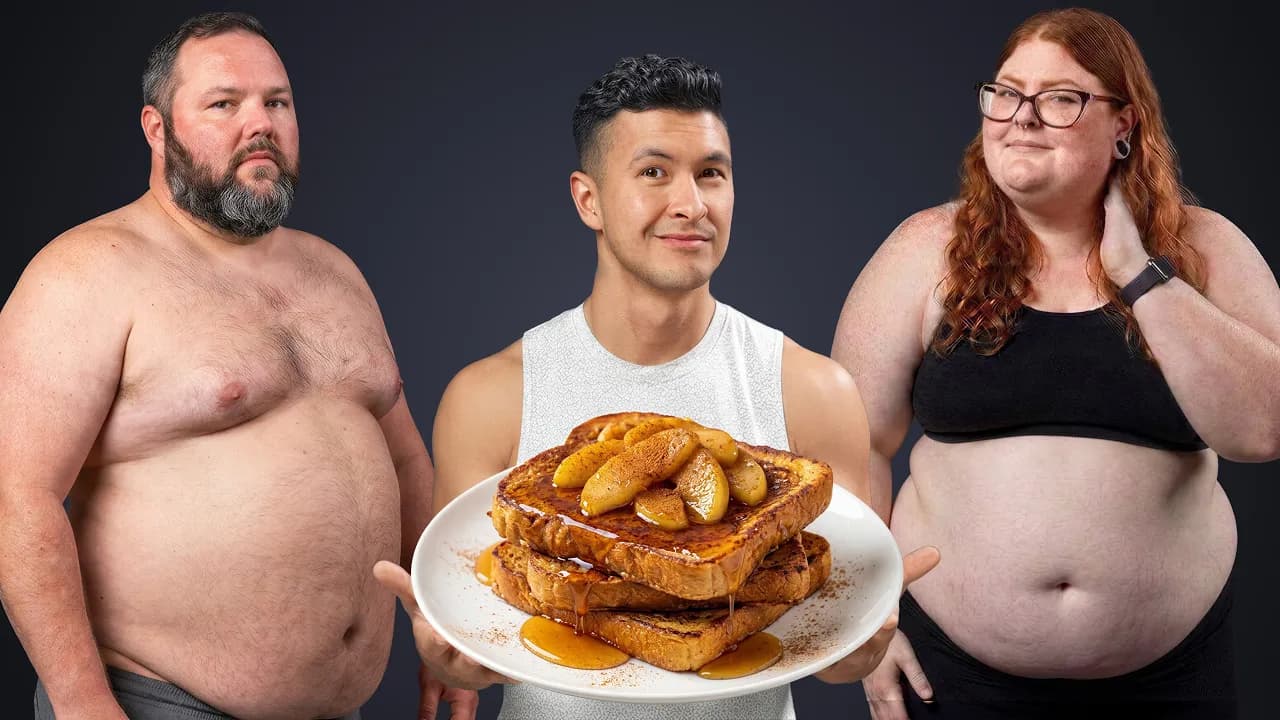
Comfort food slogans like "No one can eat just one" and "Give me a break" are psychological hooks designed by marketing to make you indulge, whispering that you deserve a treat. Caving leads to fat gain from caloric overload and temporary stomach ache, but real damage is deeper: a single junk food binge leaves a metabolic scar on the brain.
New human controlled trial shows short-term high-calorie junk food binge causes lasting brain changes. Next time junk food calls, you'll hear it differently.
Controlled human trial published earlier this year in Nature Metabolism. Involved 29 young healthy men with normal BMIs between 19 and 25, free of disease.
Split into two groups:
- High-calorie group: Ate 1500 calories more than estimated needs for 5 days.
- Control group: Normal diet.
Measured: body weight, body fat, insulin sensitivity, brain blood flow, brain-specific insulin sensitivity.
High-calorie group ate significantly more but no significant increase in total body weight vs. controls. No trend toward weight gain. Group averages: controls gained 0.22 lb more than high-calorie group. #caloriesfail.
High-calorie group developed 64% increase in percent liver fat (absolute: 1.55% to 2.54%) from baseline to one-week follow-up. Not seen in controls.
No difference in general whole-body insulin sensitivity (only 5 days).
At 2-week follow-up (one week after high-calorie phase), high-calorie group had decreased blood flow to critical brain regions: hippocampus and fusiform gyrus (important for memory, learning, self-control, putting brakes on impulsive eating). Decreased blood flow weakens willpower.
High-calorie group developed brain-specific insulin resistance, assessed via intranasal insulin. Independent of body weight or peripheral insulin resistance changes.
Normally, insulin reduces appetite via brain signaling. Brain insulin resistance loses this signal, leading to more cravings and worse food choices.
"These data suggest a short-term high calorie diet rich in sugar and saturated fat has prolonged effects on the brain that outlast the time frame of its consumption."
Punchline: Short-term high-calorie binge leaves lasting metabolic scar on brain, increasing future overeating risk.
Extra 1500 calories/day from nutritionist-prepared snacking packages: Snickers, brownies, chips (equal split fat and carb calories). Not just calories—junk food, refined carbs.
Calories are a measurement from bomb calorimeter (burning food, measuring heat), not what body does biochemically (glycolysis, oxidative phosphorylation, mitochondria electron transport chain).
Lysova uses lysophosphatidylcholine DHA form of omega-3, transported directly into brain (vs. triglyceride form stored in fat). Preclinical studies: raises brain DHA levels efficiently, boosts BDNF for memory/cognition. Premium product for brain health, brain insulin sensitivity. Speaker uses personally due to Alzheimer's genetic risk. 20% discount with code stay curious via Phoenix Health.
Two-arm study doesn't test if 1500 extra calories from steak/eggs would have same effect as Snickers/chips. Culture's calories obsession obscures this.
N=1 case: Man ate 5800 calories/day (no activity change), 3 weeks each diet.
- Low-carb (6% carbs): 121,674 total calories, gained 1.3 kg, waist decreased 3 cm.
- Low-fat (64% carbs): 121,653 total calories, gained 7.1 kg, waist increased 9.25 cm.
Huge differences. Consistent with trial data. Uncouples liver fat/waist from weight. #caloriesfail. Calories like misleading movie trailer.
Association between liver fat gain and brain insulin changes. Plausible mechanism: Unhealthy liver releases hormones, small extracellular vesicles carrying molecules through blood-brain barrier, influencing brain activity/insulin resistance.
Food quality shapes energy/nutrient handling beyond scale: liver fat, brain insulin sensitivity. Organs communicate (liver to brain, fat cells to heart). Not simple calories arithmetic—complex symphony.
Lean into nutrition/biology complexity. Let it humble you. Knowledge expands, health becomes exploration, N=1 journey.
What stood out? Questions? What right/wrong? Stay curious.
Keep Nick Norwitz in your library
Save the videos and channels worth coming back to, and find them again in one place.