Unexpected Weight Loss Tips | Dr. Jason Fung
In a Nutshell
Dr. Jason Fung explains weight loss through hormonal control, emphasizing insulin reduction via resistant starch (cool/reheat rice for 20% lower glycemic impact; cold potato salad with vinegar beats hot potatoes), vinegar/organic acids to inhibit carb digestion, eating proteins/veggies before carbs for 50% lower insulin spikes, and green tea to suppress hunger via sympathetic activation. Stress triggers brain-liver glucose production, microbiomes influence eating via GLP-1, and oversimplified "calories in/out" ignores nuanced factors like food order, fiber, and healthy fats—target root causes like sleep/stress instead. Resources at drjasonfung.com; new book unpacks hedonic/conditioned hunger for personalized plans.
These notes were generated by AI and may contain inaccuracies.
Resistant starch is a fascinating phenomenon. Your brain can literally make your body produce sugar through neural signals from the amygdala to the hypothalamus and then to the liver, triggering gluconeogenesis to pump quick-burning energy into the bloodstream during stress.
What is better for blood sugar control: a hot baked potato or a cold potato salad with vinegar? The cold potato salad with vinegar is better. It reduces glucose and insulin impact while tasting the same.
Weight gain is driven by hormones, particularly insulin.
For weight loss, is it better to eat freshly cooked rice or rice that's been cooled and reheated? Cooled and reheated rice is better due to resistant starch.
Starches are chains of glucose (amylose and amylopectin). Cooking rice gelatinizes it, making it fluffy. Cooling recrystallizes it into a hard, brittle form resistant to absorption. Reheating retains some resistant starch, reducing glucose and insulin effects despite normal taste.
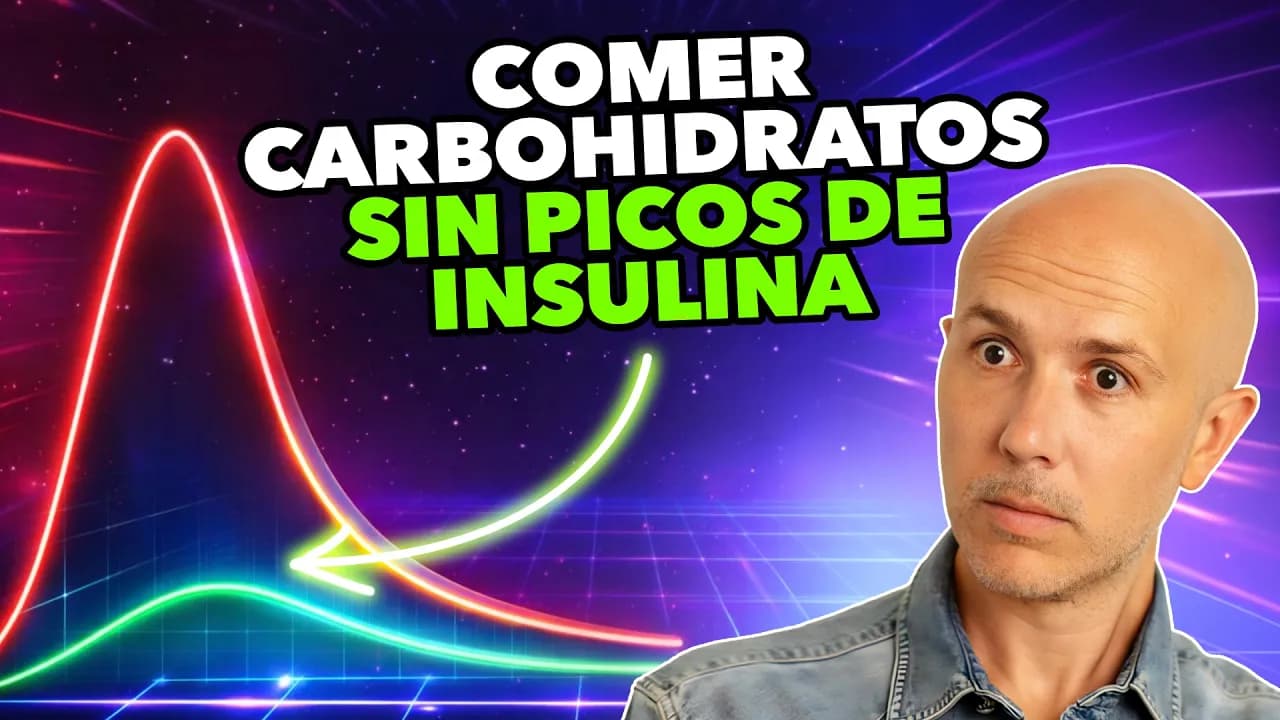
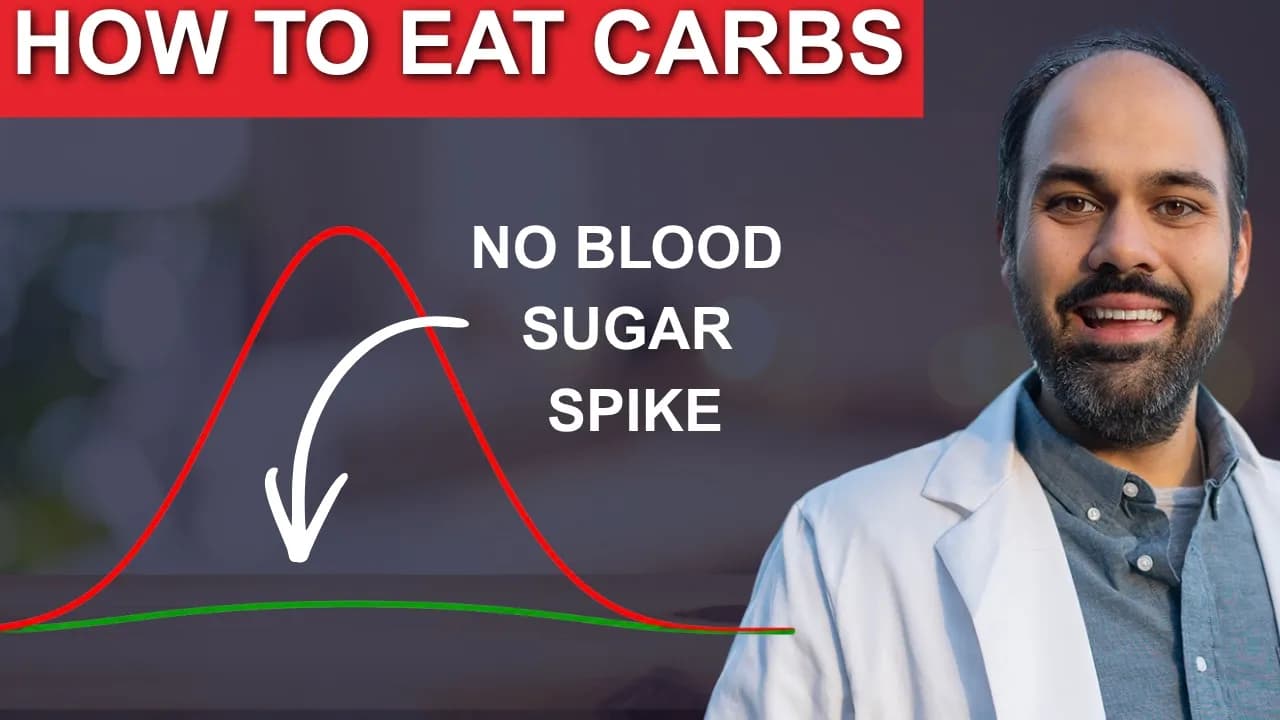
- Cook rice, cool it (fridge or freezer), reheat to get ~20% reduction in glucose or insulin effect.
- Dr. Fung cooks larger batches, freezes portions; stays good for months.
Doesn't work as well for reheated potatoes (resistant starch disappears), but works for cold potatoes like potato salad.
Glycemic index reduced by about 20%.
Blinded human controlled trials show resistant starch supplementation leads to fat loss and visceral fat loss in a calorie-independent manner (MRIs show visible visceral fat reduction).
Cold potato salad with vinegar beats hot baked potato due to resistant starch plus vinegar's effects.
Vinegar (acetic acid) inhibits amylase (salivary and pancreatic), which breaks starches into absorbable glucose fragments. Salivary amylase contributes 50-60% of total effect.
Acid keeps glucose chains longer, slowing absorption, preventing spikes in blood glucose and insulin. Speed of absorption matters most.
Other organic acids:
- Lactic acid in fermented foods (kimchi, sauerkraut) – good for microbiome and neutralizing carb insulin effects.
- Citric acid (lemon juice) – lowers insulin response when added to bread.
Tips: Dip bread in olive oil and vinegar; Chinese dumplings with red wine vinegar and ginger.
Caveat: Avoid sugary vinegars like balsamic.
Optimize potato salad: apple cider vinegar or white wine vinegar, Greek yogurt for protein/fat.
Plate: roasted potato, chicken thigh, grilled eggplant. Ideal order: Eat proteins and veggies first, carbs last.
Stomach acts as reservoir, churning food with acid, releasing boluses to small intestine for absorption.
- Carbs first (e.g., restaurant bread): Pure glucose bolus absorbs rapidly → blood sugar/insulin spike.
- Proteins/fats first: Mixes with carbs, slows stomach transit and absorption → ~50% lower insulin effect in experiments.
Same foods, just reorder for dramatically lower glucose/insulin response. Avoid "naked carbs."
Green tea blocks COMT enzyme, raising sympathetic tone (adrenaline/noradrenaline), which decreases hunger.
Sympathetic stimulation (fight-or-flight) suppresses appetite:
- Nicotine, beta-blocker reversal (weight gain), fen-phen (17% body weight loss, sympathetic agonist), anorexiants (heroin, speed, crack).
Green tea effect: ~4% hunger reduction, potentially double in Asians due to genetic COMT variation.
Benefits:
- No sugar, displaces sugary drinks.
- Caffeine stimulates sympathetic tone and metabolic rate.
Japan: High green tea consumption, low obesity.
Ideal weight loss drink.
Nature paper: Direct neural pathway from amygdala → ventromedial hypothalamus (VMH) → liver triggers gluconeogenesis and blood sugar release under stress.
Body runs on neuro-hormonal signals.
VMH lesions in rats cause obesity via hyperphagia, linking to liver gluconeogenesis and insulin.
Obesity cascades are interconnected web threads, not linear.
Paper: Metabolic diseases (e.g., diabetes) feature gut microbiomes producing imidazole propionate (ImP), which lowers stress-eating threshold in models.
Microbiome byproducts influence brain.
Fiber: Ferments to short-chain fatty acids in colon, stimulating GLP-1 (glucagon-like peptide-1, opposite of insulin).
GLP-1 agonists cause major weight loss, highlighting hormonal importance.
Cell Metabolism 2024: Atorvastatin (most profitable drug) crushes GLP-1 levels in 16-week human trial.
Healthcare driven by business models/incentives, not always best for people.
Low-fat model (1980s-90s medical school): Unquestioned "fat causes heart disease," no evidence – ultra-simplistic and wrong.
In late 90s, noticed eating lots of nuts, people
In the late 90s, researchers noticed that eating lots of nuts, avocados, olive oil, and fatty fish made people healthier. This led to the concept of healthy fats, extending to discussions about butter and coconut oil. People on islands have consumed coconut oil for millennia without issues.
The simplistic view that fat causes heart disease or that all calories are equal and fattening—calories in, calories out—is incorrect. There's much more nuance. Simplifying to this level is detrimental because greater knowledge allows better solutions. Obesity is complex, involving hormones and more.
Path from food to weight gain: foods contain nutrients (carbohydrates, proteins, fats) → digestion (10 factors) → absorption (10 factors affecting hormones, 10 hormones) → weight gain. Virtually unlimited ways to influence this, e.g., food order, vinegar, resistant starch. Oversimplification ignores these factors.
To the person with the hammer, every problem is a nail.
Every weight issue gets reduced to eat less calories: ultra-processed foods, food addiction, conditioned hunger, too much sugar, stress, poor sleep—all solved by eating less calories, which doesn't address root causes. Logical solutions target the problem, e.g., get more sleep for sleep issues.
Statins have other effects, but GLP-1 is a key hormone to consider.
Tell them their neurons are in a caloric deficit.
Visit drjasonfung.com, follow on x.com/Twitter/YouTube. New book available wherever books are sold; follow-up to The Obesity Code, delving deeper into systems, eating behaviors, hedonic hunger, homeostatic hunger, conditioned hunger, social and environmental determinants—underappreciated topics. More understanding leads to better personalized plans by identifying and solving specific problems.
Fun read with laughs and practical tips, including a taste provided at the beginning.
Keep Nick Norwitz in your library
Save the videos and channels worth coming back to, and find them again in one place.