Tim McGraw — Selling 100M+ Records and 30+ Years of Creative Longevity
These notes were generated by AI and may contain inaccuracies.
Take charge of your career. Be confident in your decisions. Listen to people who know what they're doing, but ultimately make the decisions yourself. If you coast, you might have a short career, but for longevity, take ownership, guide it, stay vigilant, say yes and no. Without a vision, plan, and daily action, it won't happen.
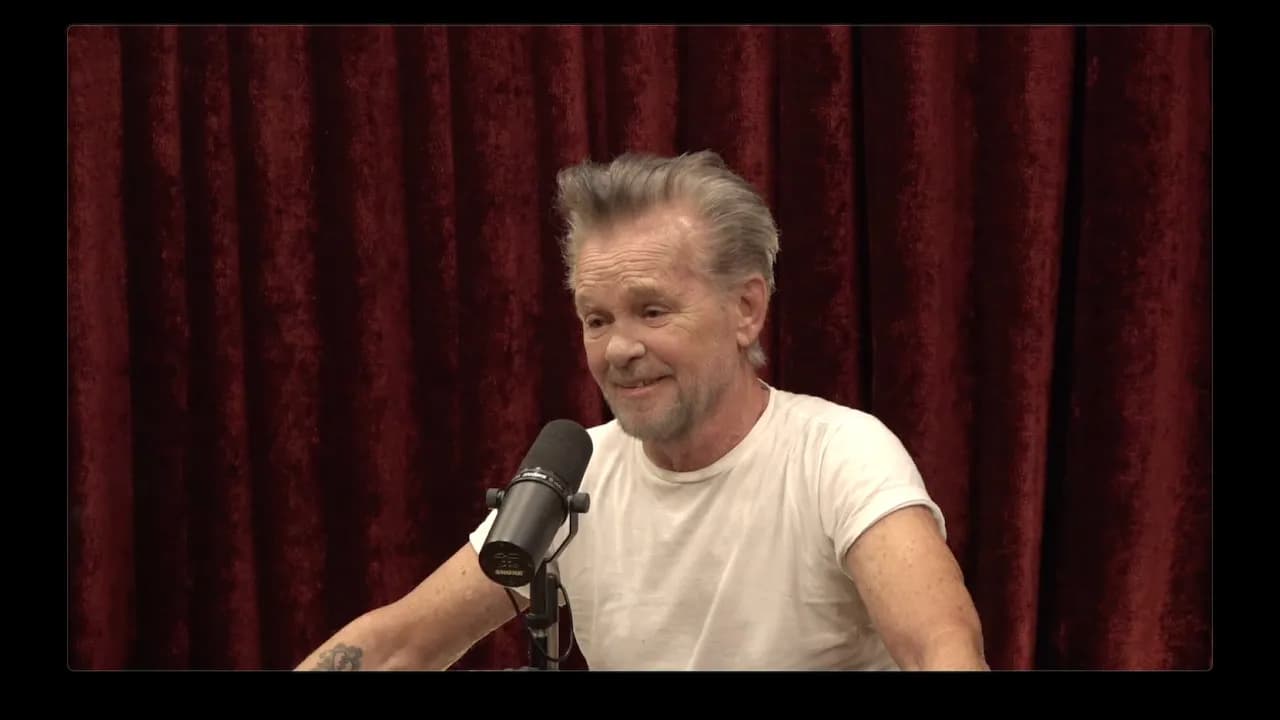
Tim McGraw and Tim Ferriss meet in person in Nashville. Ferriss notes he gets lost downtown due to changes. Franklin has had facelift after facelift. When McGraw moved in '89, Cool Springs was countryside. Land was inexpensive; he wished to buy some for a cabin and club gig but couldn't afford it. Two years later, prices skyrocketed and growth continues.
McGraw answered questions for Tribe of Mentors. Bio updated from 50 million to 106 million records sold worldwide. Longevity mindboggling.
Creative process: great songs remain essential—first check for any artist. McGraw writes for every project, has some success, but song always wins regardless of source. Listens to songs constantly, writes constantly, hard on his own songs. Material-wise, looks for different music now. Still likes fun songs occasionally, but harder at his age to sing about Daisy Dukes and tailgates authentically. Gravitate toward songs with deeper personal and universal meaning.
Live Like You Were Dying: genesis after dad's (Tug McGraw) brain cancer (glioblastoma) diagnosis. Tim Nichols and Craig Wiseman wrote it inspired by dad, sent to McGraw. Never played for dad as he was dying. Dad spent last days at farm cabin; recorded 2-3 weeks after passing at Bearsville Studios (Oair Studios) outside Woodstock, NY—old Dutch farmhouse and barn on mountain, 3 feet of snow, 3 weeks, two semi-trucks of Persian rugs and furniture. Invited dad's brother Uncle Hank (all-American athlete, 3 sports, 13 years pro baseball, looked like Sam Elliott, pothead). Recorded late nights till 3-4 AM. Around 1 AM, glass booth in studio with roaring fireplaces, cutting the song. Uncle Hank smoking joint in corner, emotional—puddle, laughing, telling Tug stories. Gathered band and Hank at 2 AM; finished before sunrise. Magic from vibes, snow, fireplaces, late night melancholy, Hank's presence, stories—'God just walks through the room.'
Why That Moment
Felt told to cut it seeing uncle's vibes, post-uptempo track, mood. Captured magic despite great song/band/singer not guaranteeing success.
First 'lightning in a bottle': Indian Outlaw (not Don't Take the Girl, struggled in recording). Label, James Stroud rejected for first album as too controversial, not country, won't work on radio. Heard first night in Nashville (1-2 AM Greyhound bus), Hall of Fame Lounge/Hotel bar closing. Met Tommy Barnes and Max D. Barnes; went to room, played music. Tommy played Indian Outlaw and I Don't Want to Be There in the Morning When She Wakes Up and Finds Me Gone (cut both, 3 more to cut). Played it everywhere, 2-4 times/night, crowds loved. Insisted on second album. Felt it would hugely succeed or ruin career—worked. Followed by Don't Take the Girl prevented novelty act label; combination launched career/momentum.
Indian Outlaw Controversy
Stereotypical play on Native American stereotypes. Met leaders—some liked, some didn't. Told them: use song to raise awareness if needed, not offended. Now at Native casinos, offers to remove from set; 99.9% say that's why they hired him.
Don't Take the Girl
Epitome of country: powerful story hitting emotion, open-ended. Still chokes him up. First artist stance: turned down CMA performance (Walter ran CMA) as 3-min slot vs. 5-min song—story needs full telling. Obvious choice, no upside to partial song.
Live audiences essential for testing (musicians, comedians, writers). Ferriss's first book rejected 30+ times by publishers but taught in classes for years, knew it worked—honed, removed weak parts. McGraw tests new songs live with band, but caveat: 35 years in, fans expect hits; new songs get muted reaction initially. Don't let audience dictate—chase what you want to play/hear. Must speak to you first to convey to others; guessing game otherwise, audiences spot inauthenticity.
If you open up the window and try to make love to the world, you're going to catch the flu. —Kurt Vonnegut paraphrase
Personal is universal. Art is built-in therapy.
Follow personal scent trail amid temptations/external forces. Focus key—lack causes issues. Last 3 years tough: 4 back surgeries, double knee replacements. Post-third back surgery, feared couldn't perform kinetically (can't sit on stool 1.5 hours). Last surgery worked; focus/body/brain fog back. Feels second wind, underdog, something to prove—likes being hungry (literal/metaphorical, no eating pre-stage). Falconry: bird must be hungry to hunt; 'fed up' from falconry.
Fed up with from falconry. Hoodwinked when they put the hood on, also from falconry. Gym is how I get refocused, that's my meditation. Five rounds of 12 exercise with the bar complex, adding weight and then going back down.
Training Regimen Evolution
Do you still do that or has your training changed? Pool workout? Training regimen then and now.
Changed a little bit. Have to be a lot more deliberate and careful. Used to do three workouts a day, especially on the road touring.
- Before breakfast: two-hour workout, mostly weights and some cardio.
- Before lunch: running arena or stadium stairs, discipline (pushup, squat, ab) at the top of each stairs.
- Afternoon: outdoor CrossFit with the whole band, hour and a half.
Hastened all of my injuries. Shooting 1883 was physically demanding: six months, 6 days a week, 16 hours a day. Did shows while filming: work till 7pm, jump on plane, show, back at 2-3am, up at 4am for workout, then makeup.
Uncomfortable on stage with big dyed black beard (natural beard snow white), put on 10 pounds (protein everywhere, steak), people didn't know about the series yet. Hotel scene in pajamas: "Anyone else want to [__] with my family?"
Tweaked knee a few times. Previous: at 20, meniscus scope left knee; at 30, meniscus right knee. High pain tolerance.
In Montreal, 3-4 weeks into tour, knees and back hurting. Normal turn, both knees felt like they exploded. Woke up, legs from hips to ankles twice the size, swollen. Went to gym, spent two years on treadmill, leaning over to walk. Finished tour: carried backstage, faked through shows without limping badly.
Post-tour: month prepping for double knee replacements. Then back surgery.
High pain tolerance is a blessing and a curse.
Had elbow surgery few months ago (should have 15 years ago), shoulder reconstruction, crippling back issues 3-5 years from accident catching huge dresser falling off shipping truck loading bay, twisted body, tore hat off body.
Friend Kevin Kelly (founding editor Wired), early-mid 70s, only lots of walking, no aches/pains. Walking is the best exercise.
Looking back, would have toned down intense training (judo, etc.). Would have been smarter: trained less, paid attention to small aches/pains instead of waiting until debilitating.
After kids, let self go (chicken nuggets). Did movie Four Christmases at 215 lbs (now 170). Daughter saw trailer: "Geez, Dad, you need to do something." Looked deflated. Decided to get back in shape early 40s (42-43). Now 58.
Believe to my core that changing lifestyle, workout routine, look, self-care made career last this long.
Last year: 6 weeks did nothing (tough, why back surgeries didn't work well, went back too soon). Cut to two hours a day:
- Walk 30 min-1 hour to warm up knees/back.
- Body weight stuff, stretching.
- No heavy weights, no deadlifts (doc says light ok, but scared).
- Circuit training, intent/purpose/discipline, align properly.
Typically morning. Includes red light therapy, hot therapy, steam, cold plunges (30 min end, multiple circuits).
Similar to athletes/trainers late 40s-early 50s: lighter weights, blood flow restriction cuffs, fantastic shape, less muscle mass (not eating 12 chickens/day), good for longevity.
Goal: athletic, not big muscle cube on stage. Too skinny anyway. As musician, big muscles distracting.
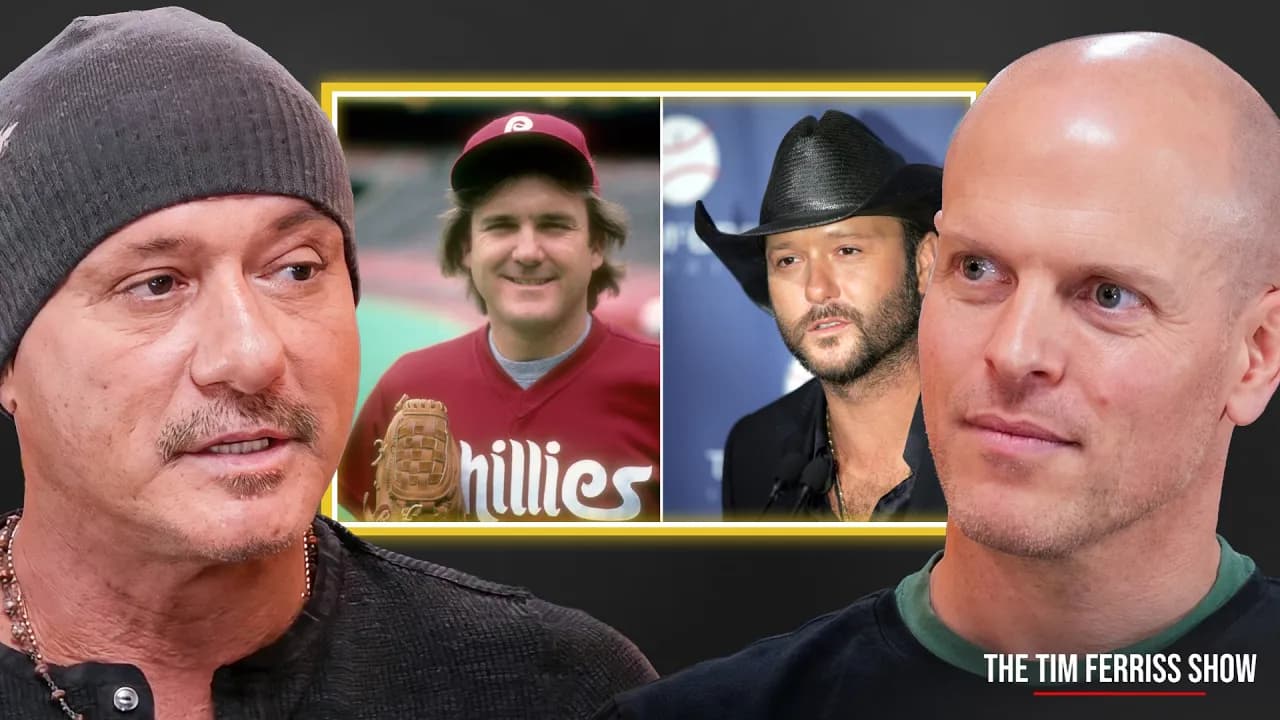
At 11, home from school in Start, Louisiana (farming community, caution light, cotton gin). Found mom's Crown Royal bag of coins in closet for concession stand candy bar (quarter) or Coke (10 cents). Next to it, box with birth certificate: McGraw lined through, "Smith" (stepdad) written in pencil above, dad's occupation professional baseball player.
Had three baseball cards on wall, his was one (favorite player). Called mom at work: "Mom, what is this? What does it mean?" She said "Oh my god," came home, went for ride, told story.
Mom's junior summer high school, grandma left grandpa, staying motor court motel with outdoor pool. Jacksonville Suns (Mets minor league) staying there. Met Tug McGraw at pool, dated over summer. He left (called up), she found out pregnant. Was dancer, invited to audition Where the Action Is (Dick Clark, precursor American Bandstand). Senior portrait (beginning senior year), found out pregnant two days before, see it in her eyes, whole future disappeared.
Hadn't talked to him since. Got in touch with lawyer/agent. He still playing. Borrowed car/money from boss, he left tickets, lunch.
Lunch: "I'm not your dad, don't think I'm your dad, but we can be friends." Went to game. Brought Pete Rose magazine (about to break hitting record), he took to clubhouse, Pete signed. Threw ball batting practice. Wore McGraw shirt, Phillies hat mom made.
Never saw/heard after. Obsessed as 11-year-old.
Emotions: no anger, affirmation (dysfunctional home, first "dad" alcoholic/abusive, second stepdad worse; scared when truck drove up). Felt didn't belong, ray of light: dad pro baseball player, escape situation.
Next year Houston, tickets but no meet. First time saw play: gave up grand slam. Bullpen near stands (10-12 feet). Yelled "Tug, it's Tim!" Warming up close, wouldn't look/acknowledge. Dropped it, used Smith, few friends knew, embarrassed, felt thrown away.
At 18, graduating high school, no college money, sports scholarships (5'10", 140 lbs, football/basketball). Mom called about college money.
Last HS football game, sidelines pre-game, mom taps: heard from Tug's lawyer. Post-game: contract, $300/year college if never contact again.
Drove Houston (he retired). Taller now, same height. Hotel check-in with lawyer/agent. Tapped shoulder: "Hi Tug, I'm Tim." Agent turned white, looked just like him, gig up.
Spent day, dinner (mom too). Asked mom leave, alone: "I'll sign contract, never bother. One question: Do you think you're my dad?" "Yes, I believe I am. We'll tear contract up."
Didn't hear for year. Then saw more: drove to Philly college visits, met brother Mark, sister Carrie.
Didn't grow up in that world.
How could you have anything to do with dad, not hate? He gave me hope. Gave reason to think I can get out, if he can do that, I have it in me. Couldn't hate for that.
If everything else gone, hope, you got a chance.
Went for a hike with a sweet, very smart guy. Asked for advice as an aspiring parent: "Your job is to love your kids. They don't owe you anything. It's not their job to love you." Number two, teach them to be optimistic. Vision of their life and expectations shouldn't cloud love and guidance.
Mother's love for music shaped it: from earliest memory, she sang, played records, radio always on. Knew every song, sang along, walked around house singing, sang in church. Friends gave him shit playing baseball at shortstop while singing. Sisters told him to shut up. Still sings songs with any word mentioned.
Assumed radio musicians trained since age 3-4 like Jackson 5. In college, tried football, realized he'd get killed on practice squad. Joined fraternity, pawned high school ring, bought guitar for $20. Motive: love music and singing, chicks might dig it, play clubs, maybe house gig for weekly money. At Northeast Louisiana University (now ULM).
Freshman summer, friends gone, job 4 hours/day at plant nursery. Watched CMT for finger positions, used guitar fret sheets (fingers often wrong but made chords). Roommates hid guitar because he was bad, later brought it out for chicks. Learned 50 songs, first gig solo at catfish house Catfish of the Walk, paid rent. Still terrible guitar player, good enough to write songs.
Encouragement from fraternity buddies huge (could go wrong but didn't). Good crowd reactions, owners wanted him back: "best band we've had." Took military science (ROTC tactics) class, instructor Captain Whitehead (army, head of ROTC). Field weekends: tracking, repelling. Voted platoon leader by ROTC guys, top student. Whitehead pushed him to Marines, visited recruiting office, filled paperwork.
Packed: sold everything (car, water skis, shotguns) for $3,000, guitar, suitcase, Marine paperwork. Slept, woke, tore up paperwork, bought Greyhound bus ticket to Nashville. Whitehead thought he'd be good Marine due to class performance, got along; 15 years later saw him at San Diego military base show, Whitehead said "You would have been a good marine. You missed the boat, son."
Why platoon leader: figured out obstacles (e.g., building bridge), took charge. Sparked military interest. Respects military; sister in army intelligence, cousins, uncles.
Tore up paperwork because could always return to military, but music window closes. Hardest: calling mom (worked 3 jobs, abused, wanted him in pre-law/law school due to sacrifices; 17-year-old mom kept him despite adoption pressure). Expected backlash, but she said: "Son, I'm surprised you haven't done it already, and if you don't, you'll never know. So, you should go." Gave confidence.
In Nashville, sat in clubs, realized "I can hang with these guys." Pre-Nashville gigs: ~100, mostly solo, some band. Detour: mom moved to Jacksonville post-divorce, played baseball at Jacksonville Junior College (won Junior College World Series), but preferred night clubs, went full-time there 6 months, back to Monroe 3 months, then Nashville.
Nashville lit fire: pool of like-minded chasing same dream. Energy from Tracy Lawrence, Kenny Chesney (best friends, no deals, competed in clubs for $50 applause wins; Tracy best singer). Immersion: apartments, writing, nightly clubs. Learned from singers/stagecraft/songwriting, "gumbo of magic." Heartbreaking, recognized need aspirational people over stagnant ones. Tells daughters: gather inspiring friends with traits to emulate, not drop but prioritize.
Sought knowledgeable people to learn music business/recording. Compete in clubs to compete professionally. Found via being out/around. Standout: Mike Borchetta signed him to first deal at Curb Records. Walked in with demo (funded $3,000 by PoBoy Don from Louisiana shack store where played with 70-year-olds, free beer/crawfish, packed Thursdays).
Connection via Tug's friend Bruce Wendell (friend of Borchetta). No returned calls. Fan Fair (then autograph booths, now stadium event): went to Curb, past secretary, into office. Borchetta tried dismissing, but listened halfway through first demo song: "You got a record deal, kid." Instant wings, exponential improvement.
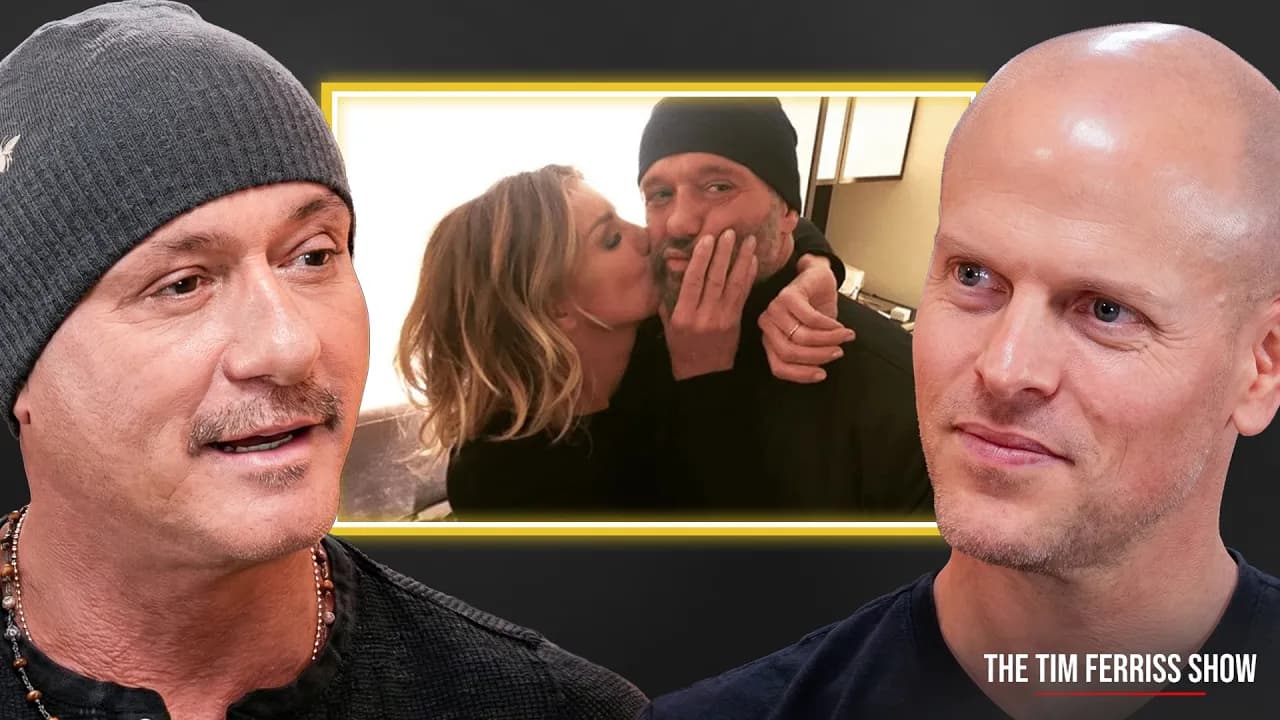
Faith saved life: running hard (drinking, kid in candy store post-success, no prior money). Met at 28, both successful. She tapped brakes without repelling: self-aware needed slowdown, her magic (person lights room, bonus singing/looks), didn't want to lose her. Changed career longevity, wouldn't have lasted without her.
Drinking calmed then fluctuated out of control. Pivotal: 7 AM, whiskey bottle in hand, kids to school soon. Walked to bedroom, told her "I need help."
Faith supported Tim through sobriety: "All right, let's do it. I'm with you." Not a linear path with pitfalls, steps backwards and forwards, but she's a rock.
Host mentions Ler Hamilton and wife Gabby (former professional volleyball player) with parallels in lives, intensity. That intensity can get misapplied to alcohol; not selective. When it becomes physical dependency, you're in trouble.
Fatherhood changes definition of love more than marriage. Responsibility and weight make you realize children are your true eternal life, carrying perception of you forward. Scary because nobody does it right; hope to do 30% right, just show up. Takes selfishness out, requires drive, passion, responsibility, thinking of future, provides structure.
Structure from 6:00 AM wake-ups, breakfast, school drop-offs, homework, practices, coaching softball kept balanced routine. When kids leave, lose focus, routine, drive; feel lost figuring out time. Comes back after 6-8 months to a year, then fun begins with wife home alone.
Delayed family because wanted to do differently than dad; no role model, no confidence in being good father. Wouldn't bring life if doing more harm than good. Everyone does a bad job; no training manual. Wanted to be good dad, not repeat his childhood. Life prepared him by knowing what not to do. Learning what doesn't work better than what does.
Japanese expression Hame Koshi (opposite teacher, anti-role model) shows what not to do.
Most embarrassing: Music Cares concert night before Grammys honoring Bruce Springsteen. Faith and Tim performed "Tougher Than the Rest" well. Bruce invited them for "Glory Days" chorus sing-along. Bruce called "Hey, cowboy hat, come sing the second verse." Tim stepped up without knowing phrasing or entry; froze in front of music industry elite, gut-punch feeling. Bruce covered, stepped back to Faith who stepped away. Footage edited to fix vocal. Self-inflicted ball-busting worst.
Performing on Oscars: body defies, feels falling apart but worked out fine.
First album "went wood"; one song to #38, no hits, label forgot him. Learned what not to do in making music, sound.
Gathered songs from songwriter friends, not big names. Producer Byron Gallimore; booked session without Curb approval, recorded full album on spec including artwork. Curb upset over unapproved costs, but approved after hearing. Had "Indian Outlaw." Did it his way; if fails, on his terms. Worked.
Dangers of Album by Committee
Never works for him. Songs others talked him into never worked; songs he insisted on despite dislike often did. Three songs on first album let him run loose.
Artist must know what they want, sound, career path, stay in control or won't last. Times let it float, others decide: doesn't go right. Team of 20-30 years trusted, but need regular input; nobody knows your head exactly. Recent years tough involvement due to health battles, but right people help. Focus and attention ease for team.
Darkest: Curb extended contract with greatest hits albums (10 total) not counting against contract, blocking new albums. Battled in court couple years to get out, rebuilt career. Momentum hard; Landman quote: monkey riding border collie at rodeo hanging for dear life. Sixth sense won't let momentum stop; scared can't restart.
Chose right partner: Scott Borchetta (son of Mike Borchetta who signed first deal) at Big Machine; hard worker. Recorded best album ever while fighting, ready post-settlement. Album worked, juice back. Team fought entire time; Scott fought hard.
Injected piss and vinegar, turned to 11. Same feeling now post-surgeries: edge of tipping boulder over hill.
Take charge of your career. Be confident in decisions. Listen to knowledgeable people, but make your own choices. Coast for short career; for long, take ownership, guide, finger on button, say yes/no. Manage and be managed simultaneously. Have vision, plan, act daily. Fail on own terms.
Hard because want to please, be liked. Say no not meanly: "not right for me." Go with gut. Exceptions: successful artists with no involvement in songs/production/management/stage. But long-career artists take control.
Lord Rabbi Jonathan Sacks: distinguish opportunity to seize from temptation to resist; look similar. Early success brings temptations pulling from core strengths.
Speaking engagements seductive (pay well) but risked endless road talking same thing; said no for year to focus creative projects. Tim: times should said no, overworked, but better now with age. Don't care to be more famous; diminishing returns. Evaluate: higher visibility? Already plenty.
Evaluate opportunities through lenses like visibility, but with ample visibility already, prioritize accordingly. The key pressure is selling concert tickets to pay everyone involved, leading to compromises on work willingness, not principles. As you age, saying no becomes easier with better prediction of outcomes and their benefits relative to time invested.
Working on a new album titled Pawn Shop Guitar, named after a song about buying his first guitar at the store where he pawned his high school ring freshman year of college. His grandfather retrieved the ring, now believed to be with his wife.
Tour starts in July, featuring 3-4 stadiums and sheds. The Chicks join for stadium tours; McGraw is a huge fan, having toured with them on a George Strait tour and had them open for him previously. Additional sheds in summer, plus fairs and festivals. Busy year ahead with movie and TV projects.
Family Updates
- Oldest daughter: Broadway actress and singer, working on projects.
- Youngest daughter: Singer and actor in Land Man, opened for Brandi Carlile on European tour last summer.
- Middle daughter: Works for Earth League International (nonprofit), sings but is the brainiac—attended Stanford, master's from Stanford, worked in Congress.
- Nephew Timothy Wayne: Singer. McGraw jokes he's the worst singer in the family.
Touring is grueling, physically and psychologically demanding, more expensive than festivals since you cover everything and play multiple nights in a row. Rewards include full control over stage design, ideas, and presentation. Hardest part: set lists after 35 years and numerous records with 70-80 singles and many number ones—can't include everyone's favorite in 22-23 songs. Aim to create a ride, emotion, and experience like a movie.
Every third show or so delivers that peak moment: "this is why I do it." On stage provides a quickening unavailable elsewhere; those shows are always good.
Feels like sports, especially football—locker room energy, putting on uniform makes you feel 10 feet tall and bulletproof. Donning cowboy hat triggers readiness.
Art is real magic. Symbiotic electrical relationship with audience: everything clicks, entering suspended animation, leaving the outside world for a fantasy realm that becomes reality for 1.5-2 hours. Nothing else exists but joy—a utopia created on good nights.
Sometimes technically imperfect nights (ears not great, voice off) turn out best. Anecdote: Best basketball game scored 52 points while having the flu, thinking he was hurting the team until coach showed the book.
Humble and kind. That song and video represent what the world needs: humility, kindness, and love. Without them, we're lost. Songs like Humble and Kind and Live Like You Were Dying belong to everyone, not just him—he's lucky to sing them.
Links to all Tim McGraw platforms: website, Instagram, Facebook, TikTok, YouTube. New song Different available only on his socials—not on streaming. Closing mantra: A bit kinder than is necessary, not just to others but yourself. If compassion excludes yourself, it's incomplete (Jack Kornfield).
Keep Tim Ferriss in your library
Save the videos and channels worth coming back to, and find them again in one place.