The Safest Carb in the World (Why Some People Can Eat Any Carb)
In a Nutshell
Insulin resistance from refined carbs, sedentary living, stress, and sleep loss blocks fat burning and raises disease risk, while muscle, fiber, and whole foods blunt blood sugar spikes. Non-starchy vegetables are the only carbs that actively improve insulin sensitivity via fiber, phytonutrients, and minerals without raising glucose. Test fasting insulin and aim for <5 to confirm healthy carb tolerance.
These notes were generated by AI and may contain inaccuracies.
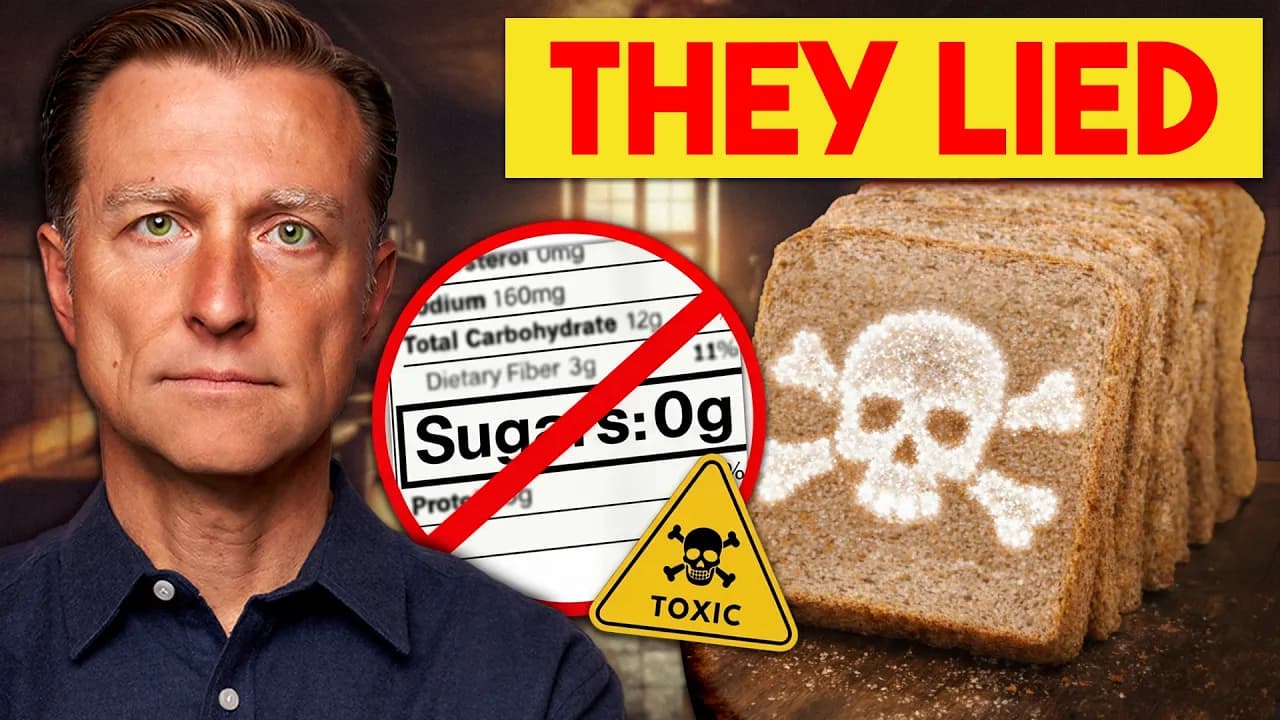
I want you to get a piece of bread, which is not necessarily sweet, but I want you to take a bite and start chewing it. What you're going to notice within 20 seconds, it's going to go from not being sweet to being very, very sweet. Almost like you're chewing on sugar. Now, what's really interesting is this bread has no sugar in it, but it turns into sugar from the enzymes in your mouth that break down what's in that bread.
A carbohydrate is not one thing. It's three things. You have either a sugar, a starch, or a fiber. Most people know what sugar is. A starch is just sugar packaged in a different way. So starch is a chain of sugar molecules. Our bodies cannot digest fiber, but we feed the microbes in our gut the fiber. But the fiber does not turn into sugar.
Certain people can tolerate and get away with any carbohydrates and other people can't. It really boils down to this one hormone called insulin. If someone has a healthy system with insulin and it's able to process the blood sugar correctly, they don't seem to have a problem because what happens when you consume carbohydrates, the blood sugar goes up and then insulin comes in there and clears out the glucose from the blood.
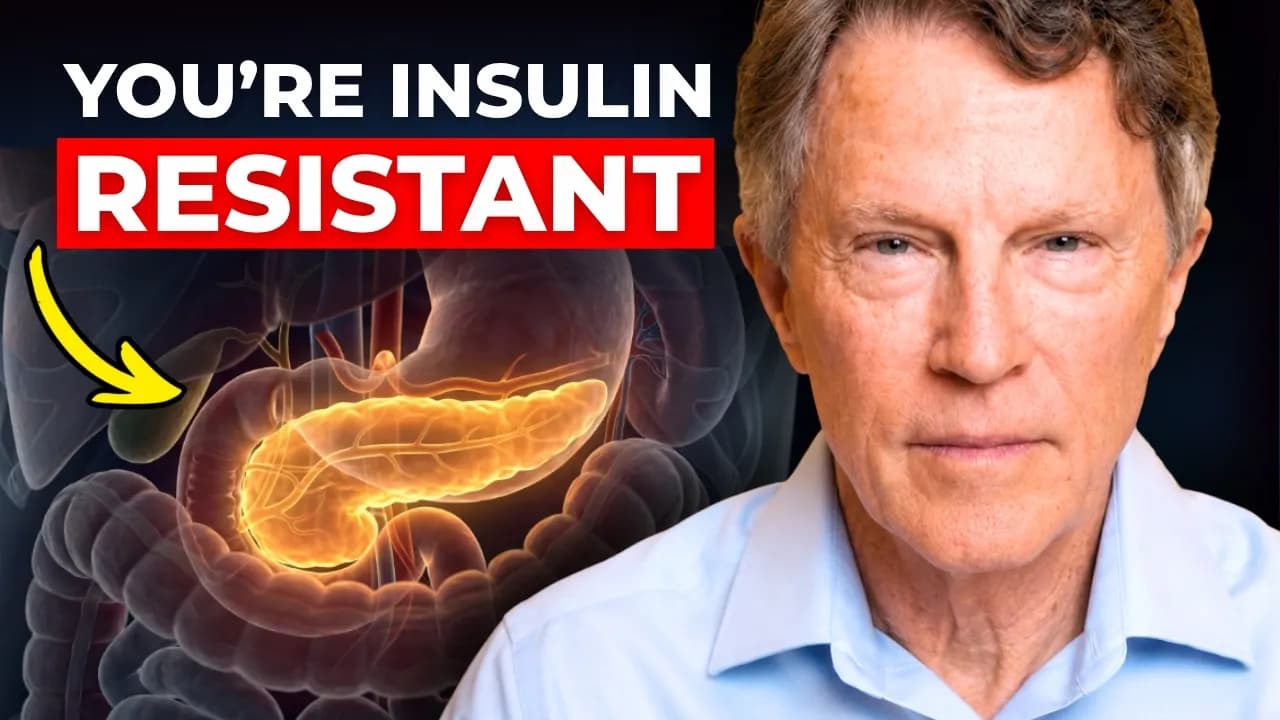
In a person with unhealthy insulin, the term for that is insulin resistance, they can't lose weight. So in other words, when they eat carbohydrates and insulin goes up, they don't burn fat anymore. They retain salt. They develop a fatty liver. They eventually develop type 2 diabetes. They get high blood pressure. They develop belly fat. Their nervous system is more in the fight or flight mode. So they're kind of stuck in stress. People with insulin resistance do not tolerate carbohydrates that well.
What causes insulin resistance? The chronic consumption of either refined starches or refined sugars. Other things influence insulin, too.
- How much muscle that you have. Your muscle is a sink or a backup to hold a lot of this dietary glucose that you consume. And this is why even bodybuilders can get away with carbo loading because they have so much muscle to hold all this sugar. And then if they're working out, doing weight training, guess what? The contraction of the muscle will burn the sugar.
- A person who's sedentary doesn't exercise. Within a week of bed rest, like you could start developing insulin resistance. It happens that fast.
- Even a couple nights of insomnia can start to affect the receptors for insulin and make the insulin receptors less sensitive.
- Stress
- Fructose, mainly talking about fructose in its pure form, which is not natural. A tremendous amount of people are drinking isolated fructose in the form of high fructose corn syrup, which is devastating on insulin, okay? Not directly, but indirectly from the liver. It can cause insulin resistance pretty darn quick.
- Belly fat. Once you have visceral fat or fat on your liver, it becomes a new engine or a machine that generates more insulin resistance on its own. And this is why a lot of times you can't just give up carbs and fix insulin resistance. You have to work on all of these factors and give it some time because usually it takes 10 to 20 years for a person to develop insulin resistance and then pre-diabetes and diabetes and all of these things.
The glycemic index is basically an index that represents how fast carbohydrates will spike your blood sugar. So, the glycemic index kind of revolves around a score 100. And that's pure glucose. Regular table sugar, it's actually 65. It's not even 100. So, it's actually much lower than you might think. Bread is higher. It's like 75.
Remember what a starch is, right? It's a string of glucose molecules. And what determines how fast the blood sugar spikes has to do with what they do to the starch. Because there are certain starches that they put through a chemical process to alter the starch. And they might add heat. They might grind it into a powder. A lot of them are maybe like 135 or maybe 125, not way up here, but some are very, very high.
Industrial starch like maltodextrin, which is a highly refined powder that they put in a lot of foods, versus down here, wheat kernels. Like in order to make bread, you'd have to grind it down the flour. But if you actually take the wheat kernels, these little berries, and you soak them and you eat them, that has a glycemic index of 41. That's pretty low. Even if you have this whole barley, it's like pure barley. It's at 28, very low on the glycemic index. Or even steel cut oats are at 52.
Non-starchy vegetables just happened to be the safest carbohydrates in the world. Take a look at broccoli. Broccoli on the glycemic index is basically a one. Non-starchy vegetables don't have a lot of sugar. But believe it or not, a lot of these starches, rice, potatoes, and grains don't have a tremendous amount of sugar. They have a huge amount of starch, but actually a moderate amount of sugar. But remember, the starch is a sugar. It's just packaged in a certain way.
So the big difference between these non-starchy vegetables and these other starches is basically these have less starch. I mean, just tiny amounts of starch and a lot of fiber. And the cool thing about fiber is fiber does not affect insulin.
The ironic thing about non-starchy vegetables is that they contain things to help you reverse insulin resistance. So, here we have carbohydrates that can help heal you versus carbohydrates that actually create more disease.
What are in these vegetables that can help you with insulin resistance? Well, the microbes eat them and turn them into what's called short chain fatty acids which basically increase this other compound GLP1 which actually reduces your appetite and it can help you lose weight. These vegetables also contain phytonutrients. One being sulforaphane that can also help you make insulin more sensitive. There's many others as well. And then also these vegetables are loaded with magnesium and potassium, two key minerals to support healthy insulin function.
It's important when you go to the doctor, insist that you get a fasting insulin test, and you want that number to be below five.
Keep Dr. Eric Berg DC in your library
Save the videos and channels worth coming back to, and find them again in one place.