VO2 Max: Garmin, Apple, COROS, Suunto, Polar, Pixel, Amazfit or Samsung? (Scientific Review)
In a Nutshell
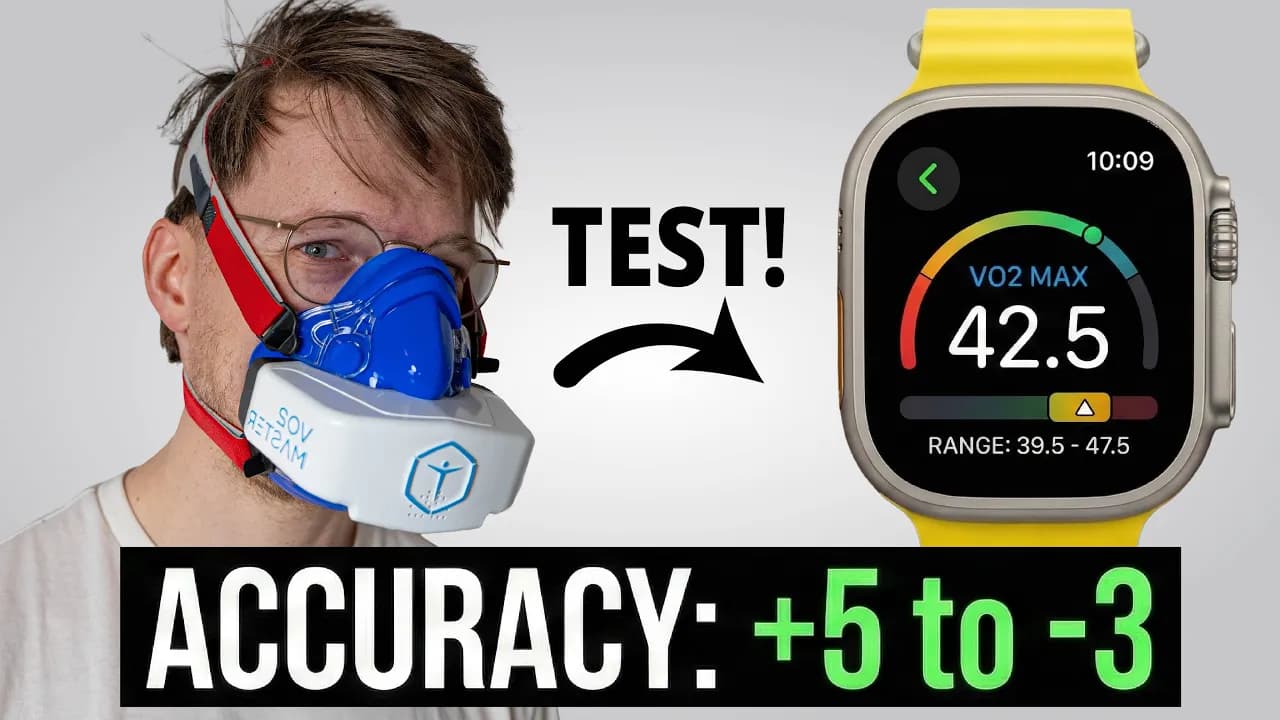
Preliminary scientific study compares VO2 max estimates from Garmin, COROS, Suunto, Polar, Apple Watch, Samsung Galaxy Watch, Google Pixel Watch, and Amazfit against lab reference tests on two participants (Raphael and Stefan), using standardized running protocols with external HR straps where possible. Samsung leads overall accuracy for both (closest to Raphael's 52.8 and Stefan's 49 running references), followed by Polar and COROS; Garmin performs well for Stefan but underestimates for Raphael; Suunto and Apple lag farthest, often under- or overestimating significantly. Early data highlights device inconsistencies across individuals—treat wearable VO2 max as a personal trend indicator, not absolute truth; full results from 20+ participants expected in 9 months.
These notes were generated by AI and may contain inaccuracies.
Today we're comparing the VO2 max from eight different wearables to the VO2 max from actual reference testing. This is the start of an ongoing study with equal measurements per device and multiple devices per person. We will specifically look at Garmin, COROS, Suunto, Polar, Apple, Samsung, Google, and Amazfit. This is preliminary data. We've just started and we'll have many more participants; the full data set will probably take at least nine more months to mature. The early results were already super interesting. Data from two colleagues, Raphael and Stefan, who didn't mind being deanonymized for this video. The point is to be very data-driven.
I'm Rob, a post-doctoral scientist specializing in biological data analysis.
VO2 max is a measure of how much oxygen your body can use at maximum effort, usually reported as milliliters of oxygen per kilogram of body weight per minute. In a lab test, it's measured using respiratory gas analysis during an exercise that gets progressively harder.
Wearables don't measure oxygen directly. They infer VO2 max using a mixture of heart rate responses, pace, power proxies, GPS, and proprietary models. The question is: when your wearable gives you a number, how close is it to a reference device and how consistent is it over time?
Each person gets two reference measurements: a running VO2 max reference and a cycling VO2 max reference, all measured at the Sports Medicine Institute in Vienna. For watches, we're looking at running VO2 max since many only measure that. Cycling test added because it might be higher in some people more used to cycling and closer to their true VO2 max. For some comparisons, both are used; for others, just running VO2 max.
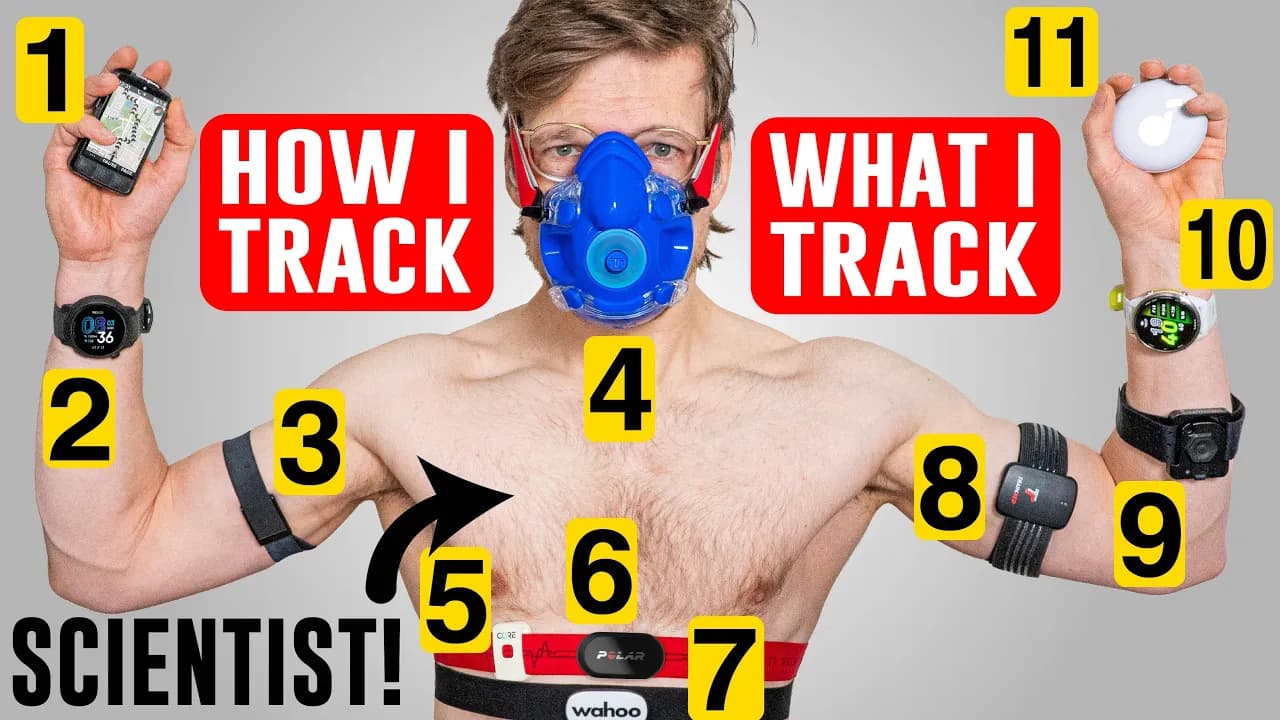
Protocol: 6 weeks split into three segments of two weeks. Each block uses a subset of 2-3 devices. Goal: each participant does at least six runs with each device for multiple estimation opportunities and calibration.
- Use external ECG chest strap for most brands to reduce noise from heart rate sensor differences.
- Select devices with best GPS tracking accuracy from each brand.
- Standardize conditions: flat routes with stable GPS, no extra weight, consistent run types, regular syncing, use as brand recommends.
Three devices use internal heart rate sensor: Apple Watch, Pixel Watch, Samsung Galaxy Watch (cannot connect to external or brand recommended internal). Apple Watch must be worn all day for VO2 max estimate; others only during sports.
Raphael has running reference VO2 max of 52.8 and cycling reference of 52.9 (almost identical).
First Two Weeks: Samsung and Polar
Polar requires specific running test. During second test, he was a bit sick (might exclude from final analysis). Both healthy test and all Samsung testing super close to reference.
Second Two Weeks: Google, Garmin, Suunto
- Google Pixel Watch 3: green, results worse.
- Garmin: red, mostly stable, went up a little at end.
- Suunto: bottom, most far off at around 44 (lower than ~53 reference).
Final Two Weeks: COROS and Apple Watch
Did decently well, potentially better than Garmin/Google, worse than Polar/Samsung.
Raphael Summary and Ranking
Closest wearable value to running VO2 max reference (52.8):
- Samsung best.
- Polar close second (but includes sick test at lower value; healthy test ~52 would rank higher).
- COROS, Apple, then Polar (or Polar second).
- Google and Garmin about equal.
- Suunto worst by far.
Using all values: similar ranking, Polar closer averaging both tests, ranks second. Suunto not great, Google/Garmin not amazing.
Stefan running VO2 max 59, cycling 42. Not into cardio as much as Raphael (commutes by bike, lots of running); Stefan runs a little, almost never bikes—likely why lower cycling (musculoskeletal adaptation).
First Two Weeks: Samsung and Polar
Polar two tests; Samsung no specific tests. Both close, ~46-47 vs real 49.
Second Segment: Apple, Suunto, Amazfit
Amazfit added after Raphael. All estimated higher (51-56). Apple furthest off (overestimating); Samsung/Suunto okay.
Last Segment: Garmin and COROS
Both overestimated but close to running VO2 max (59).
Stefan Summary and Ranking
Closest to running reference (49):
- Samsung, Polar, Garmin, COROS closest (esp. Garmin).
- Amazfit, Suunto further.
- Apple farthest.
All measurements: Samsung, Polar, Garmin, COROS, Amazfit good; Suunto further; Apple farthest. No Google data for Stefan (contacted Google).
Left: Raphael; right: Stefan. Brands on vertical, VO2 max values horizontal, reference lines.
- Samsung: clear winner for Raphael, good for Stefan.
- COROS: good for both (under for Raphael, over for Stefan).
- Polar: good for both (close for Stefan; Raphael sick low, otherwise good).
- Suunto: far off for Raphael, not great for Stefan.
- Apple: okay for Raphael, worst for Stefan.
- Amazfit: okay for Stefan only.
- Garmin: good for Stefan, worse for Raphael (but not by much).
Heterogeneous results with some consistency.
Just beginning: two participants so far, recruiting at least 20 total (full protocol weeks per person, final data ~9 months). Shows why systematic approach and lots of data matter: sample biases, device consistencies, person-specific differences.
Trust VO2 max from wearable mostly as a trend signal (how it changes for you). Be careful about treating absolute number as truth, especially when changing devices, sports, or training.
Wait for full study for conclusions on most trustworthy devices. Subscribe for updates as data grows. Discussed in podcast (linked). Support via Amazon affiliate link or specific products like Whoop strap, Oura ring, Eight Sleep pod.
Keep The Quantified Scientist in your library
Save the videos and channels worth coming back to, and find them again in one place.