Why the Carnivore Diet Fixes a Vitamin D Deficiency
In a Nutshell
Carnivore diet resolves vitamin D deficiency symptoms by supplying critical cofactors like magnesium, K2, zinc, and retinol from animal foods while eliminating gut irritants and inflammation that block absorption. It improves insulin sensitivity, bile production, and vitamin D receptor function, allowing existing vitamin D to enter cells effectively. Past infections and inflammation are reduced, and autophagy plus ketone production further enhance nutrient uptake and gut healing.
These notes were generated by AI and may contain inaccuracies.
People on the carnivore diet report autoimmune diseases clearing up, depression going away, joint pain disappearing, and handling the sun differently with easier tanning and fewer burns. All of these conditions are strongly linked to vitamin D deficiency. However, beef, chicken, and pork contain very little vitamin D. A typical carnivore diet provides only 500 to 1500 IUs of vitamin D3 daily, which is slightly better than the average diet but not a tremendous amount.
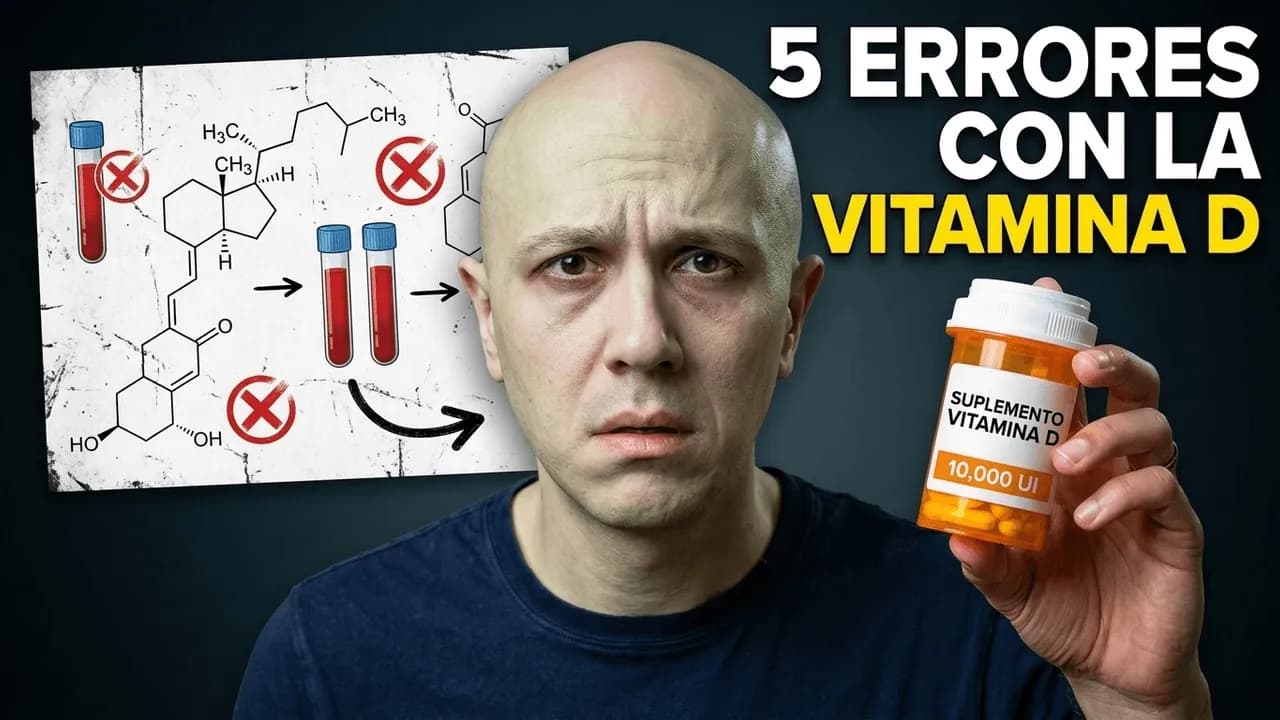
Most people address vitamin D deficiency by taking more vitamin D, yet blood tests often show they remain deficient. Vitamin D does not work alone and requires cofactors for absorption and function. These cofactors include magnesium, vitamin K2, zinc, retinol (active form of vitamin A), and cholesterol as the raw material for vitamin D production.
Without these cofactors, vitamin D remains floating in the blood without doing anything. The vitamin D must enter cells through the vitamin D receptor. Vitamin D receptor resistance is common, and when the receptor is blocked, a person can be deficient even with normal blood levels.
Obesity reduces the amount of vitamin D that enters the body. Insulin resistance decreases vitamin D absorption. Gut issues reduce absorption of vitamin D. The carnivore diet supplies the cofactors that allow existing vitamin D in the body to enter cells. It improves insulin sensitivity, allowing more vitamin D absorption. It also addresses gut issues, which is one of the major benefits of the diet.
People with gut inflammation should follow the carnivore diet for at least a couple of months. The carnivore diet eliminates many irritants to the gut and provides amino acids that heal the gut lining. A healthy gut is required to absorb vitamin D.
Meat provides a highly bioavailable form of magnesium, which is more available than plant magnesium. Plants contain phytic acid, grains contain phytic acid, and there are oxalates and lectins that act as antinutrients blocking the cofactors vitamin D needs.
Carnivore supplies vitamin K2, which works together with vitamin D to direct calcium. Vitamin D helps absorb calcium into the blood, and K2 pushes that calcium into tissues, especially bone and teeth. Animal protein is loaded with zinc. Zinc deficiency impairs vitamin D receptor function.
Egg yolks and beef liver provide retinol (vitamin A), which is needed for vitamin D to work. Retinol is only found in animal products. Vitamin D is made from cholesterol. Cholesterol in the skin is converted to vitamin D when exposed to sunlight. Insufficient cholesterol consumption may limit the raw material needed to make vitamin D.
The body runs on 10 signals including insulin, cortisol, inflammation, sleep quality, and gut function. Each signal affects how a person feels. One signal is usually more broken than the rest, and until that signal is fixed, everything else stays stuck.
Vitamin D receptor resistance increases risk for autoimmune diseases, asthma, depression, and hypertension. The carnivore diet decreases inflammation in the gut and eliminates seed oils, which reduces inflammation and opens vitamin D receptors. Inflammation is a primary factor that keeps these receptors resistant. Inflammation is the number one thing reported to decrease on the carnivore diet, especially in the gut.
Past infections such as Epstein-Barr virus and Lyme disease can strategically shut down the vitamin D receptor, leaving the immune system vulnerable.
The carnivore diet floods the body with ketones and increases autophagy. Autophagy cleans up old dead cells and pathogens. As gut inflammation decreases, absorption of vitamin D increases. Inflammation in the gut stops absorption of vitamin D and other nutrients. The carnivore diet improves gut bile salts. Bile helps absorb fat-soluble vitamins.
SIBO (small intestinal bacterial overgrowth) interferes with vitamin D absorption. Bile kills off microbes in the small intestine and helps reduce SIBO as well as candida. Candida lives on refined carbohydrates and sugar. The carnivore diet eliminates these foods, starving candida.
Dropping insulin helps open the vitamin D receptor, and the carnivore diet reduces insulin levels.
Keep Dr. Eric Berg DC in your library
Save the videos and channels worth coming back to, and find them again in one place.