Why Your Blood Sugar Won't Drop (The Secret Cause)
In a Nutshell
High blood sugar persists despite cutting sugar because the liver acts as a sugar factory, producing glucose from fat and protein when insulin—its off switch—is ineffective due to long-term insulin resistance from years of high-carb eating. In diabetics, 80% of blood sugar comes from the liver, exacerbated by stress (cortisol) or dawn phenomenon; test fasting insulin (ideal 2-6, 12+ signals strong resistance) over A1C. Fix it with low-carb diet (no sugars/starches/maltodextrin), no snacking (2-3 meals/day, kitchen closed at night), and stress reduction via sleep/walking/sunlight—healing takes weeks to a year.
These notes were generated by AI and may contain inaccuracies.
You're doing everything right: giving up sugar, skipping bread, no desserts, yet blood tests show high blood sugar. Doctors might suspect cheating, but there's a missing piece. Most think blood sugar results only from eaten sugar or starches, but that's only half the story.
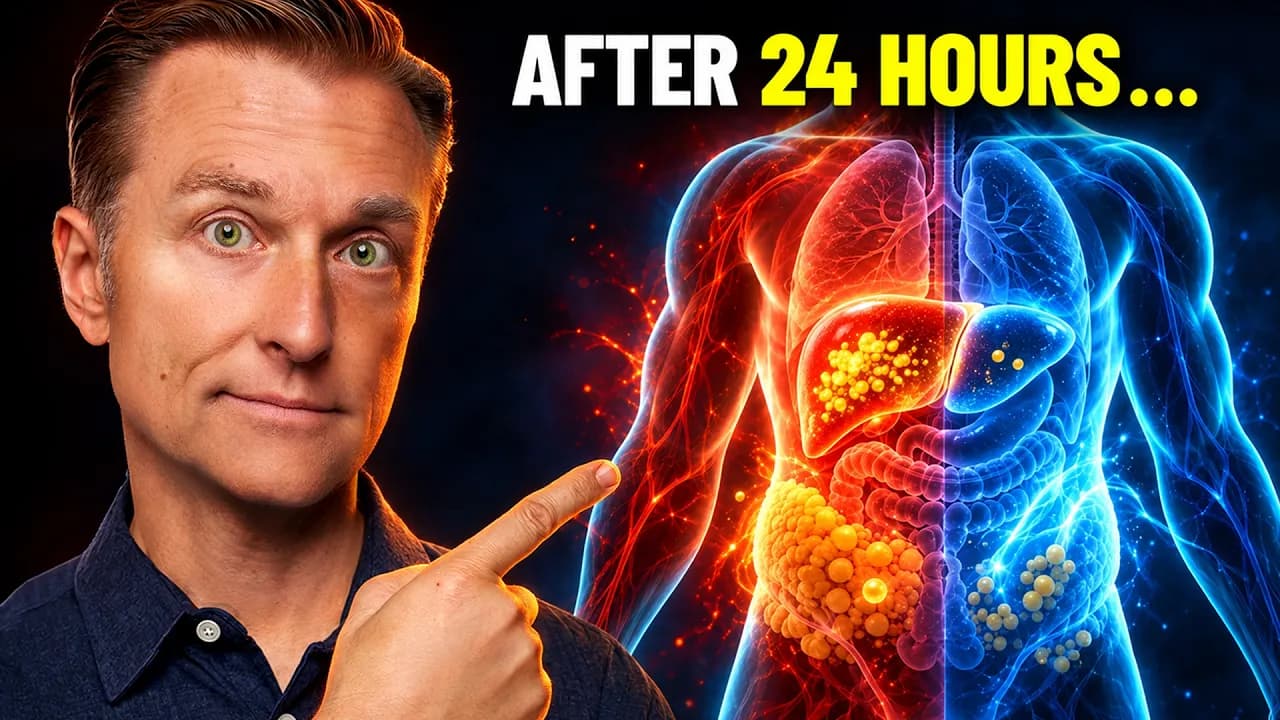
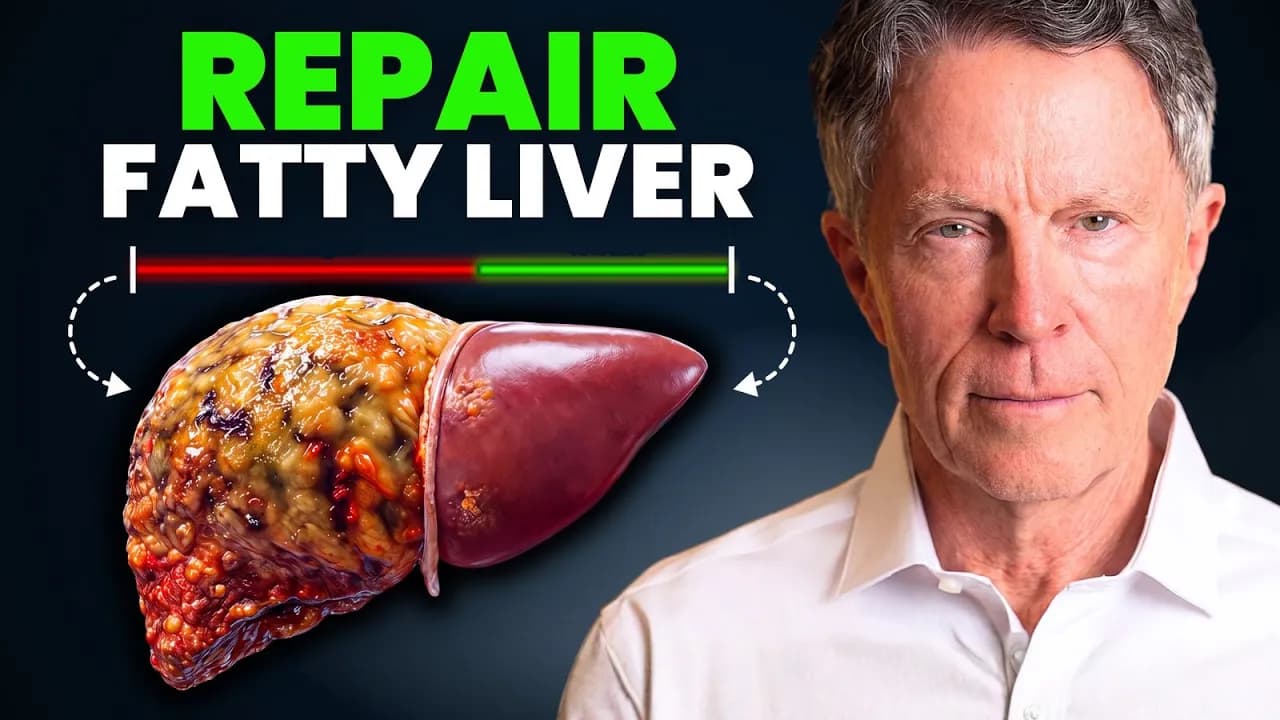
The liver has 500 functions, acts as a filter for detoxification, and is a sugar factory. A small percentage of the body requires sugar, including parts of the brain and kidney, and other tissues. If no sugar is eaten, the liver makes it.
On a low-sugar or low-carb diet, fuel comes from dietary fat, body fat, and the liver makes sugar from non-sugar sources like fat and protein to feed tissues.
Insulin is the off switch for liver sugar production. Without enough insulin, the liver keeps producing sugar. Low-carb diets lower insulin, so the liver makes more sugar.
After 10-15 years of high carbohydrate intake, insulin is overstimulated. Cells ignore it, developing insulin resistance, causing the liver to produce excess sugar due to no effective off switch.
The liver is going to make excessive sugar if you have too much insulin resistance. You develop insulin resistance by consuming a lot of carbohydrates for a long period of time, 10 to 20 years.
Doctors test blood sugar (normal) despite high sugar intake because insulin clears it from the blood. This lasts 10-20 years with high insulin levels (doctors rarely test fasting insulin). Eventually, severe insulin resistance makes insulin ineffective, leading to insulin deficiency. Now, insufficient insulin fails to turn off liver production or clear blood sugar, causing high glucose.
In diabetics, 80% of blood sugar comes from the liver.
Medications like metformin address insulin resistance and liver but manage symptoms, not the cause, and have major side effects.
If not consuming sugar but glucose high, it's from the liver due to insulin resistance, or too much stress via cortisol, which releases sugar. Cortisol medication like prednisone can spike blood sugar, even causing diabetes.
High morning blood sugar (without eating sugar the day before) is the dawn phenomenon, due to cortisol spike around 8:00 AM. Requires long-term insulin resistance (unchecked fasting insulin). Liver produces sugar unchecked, no off switch.
A1C averages 3 months of blood sugar. Liver sugar production worsens A1C slightly, often just mornings. Walking burns it off quickly as energy.
Better: fasting insulin test. Ideal: 2-6. 7-8 is risk area. 12+ indicates strong insulin resistance. If 8-10+, liver still produces sugar.
-
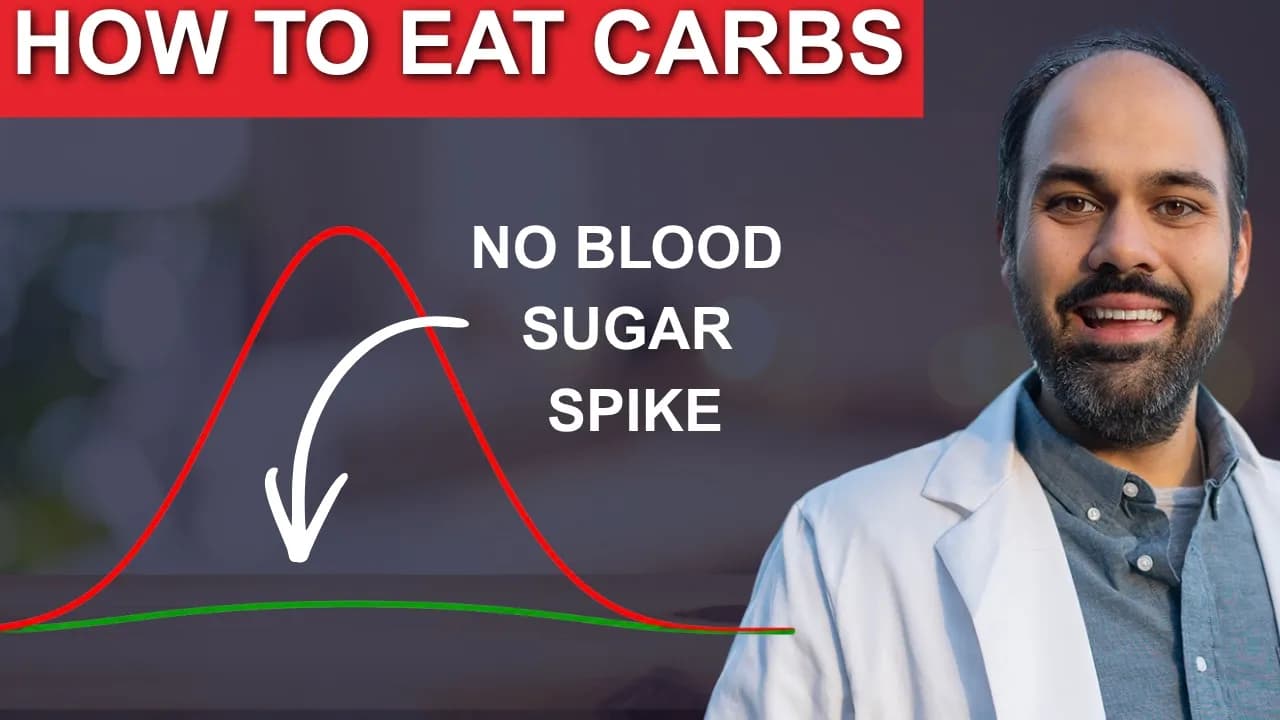
Low carb diet: Eliminate sugars and starches. Read labels: avoid maltodextrin, modified food starch.
-
No snacking, especially at night. Snacking isn't true hunger but dopamine hunger or addiction (e.g., MSG, rice at Chinese restaurant causes false hunger 1.5 hours later). Eat 2-3 meals, ideally 2: skip breakfast, e.g., 12 PM and 6 PM. Kitchen closed after. Grocery list: no junk or snack foods. Grocery stores have rows of chips, crackers, cookies, snack bars (ultra-processed). Pre-1970s, no snacking to preserve appetite; now 5-6 meals a day is out of control.
-
Lower stress: Good sleep, regular walking, sunlight (vs. fluorescent office lights).
Healing takes time: stop triggering insulin to normalize receptors. Weeks to months or over a year if fasting insulin >12.
If you're not eating sugar and your blood sugar is high, you're not crazy. It's a liver problem.
See other video on the liver.
Keep Dr. Eric Berg DC in your library
Save the videos and channels worth coming back to, and find them again in one place.