Why Your Cast Iron Eggs Always Stick (And How to Fix It)
In a Nutshell
To prevent eggs from sticking in cast iron skillets, preheat on medium-high for 2-3 minutes, add beef tallow or butter, and crack in eggs—letting them crisp for 1 minute before sliding effortlessly. After cooking, clean with a paper towel and wooden spatula (no water), then wipe on a thin tallow layer while hot to maintain seasoning. This method creates a nonstick surface that lasts generations, outperforming Teflon without harmful chemicals.
These notes were generated by AI and may contain inaccuracies.
Eggs sliding around like on ice. Zero sticking. This is cast iron, not Teflon, not stainless—the exact same skillet your grandmother probably used. Why do so many people have problems with cast iron skillets and eggs or food sticking? They're not as easy out of the box as a Teflon pan, but Teflon pans are horrible for you due to forever chemicals and other reasons. Cast iron is much better: huge heat sink, nice crisp crust on steak or eggs. Loves eggs runny with a little sear and crisp around the edges. Lasts for generations. Best way to cook. Stainless steel is clean, no forever chemicals, but everything sticks to it.
Shows a few easy steps to use cast iron like a professional. Not hard once you know what to do, but two or three things people mess up repeatedly.
First Mistake: Not Preheating
You're in a hurry, throw cast iron skillet on stovetop, turn it on, crack egg in—first mistake. Pan is heavy, heat sink with mass; thermodynamics involved, but simple: put pan on medium to high, leave for 2-3 minutes. Plan ahead if in a rush.
What fat to use? Can use whatever, but avoids oils because they go rancid. Best: tallow for cooking eggs. Uses beautiful farm-fresh eggs from chicken coop (from horizonstructures.com; partnered with them). Nothing better than farm-fresh eggs. Even cheapest grocery store eggs better than cereal or Pop-Tarts. Eggs matter for inflammation, insulin resistance, autoimmune disorders—store eggs can be inflammatory. Huge thank you to Horizon Structures (link in description); custom make chicken coops, shipped to house. Short supply now due to cold, but more coming.
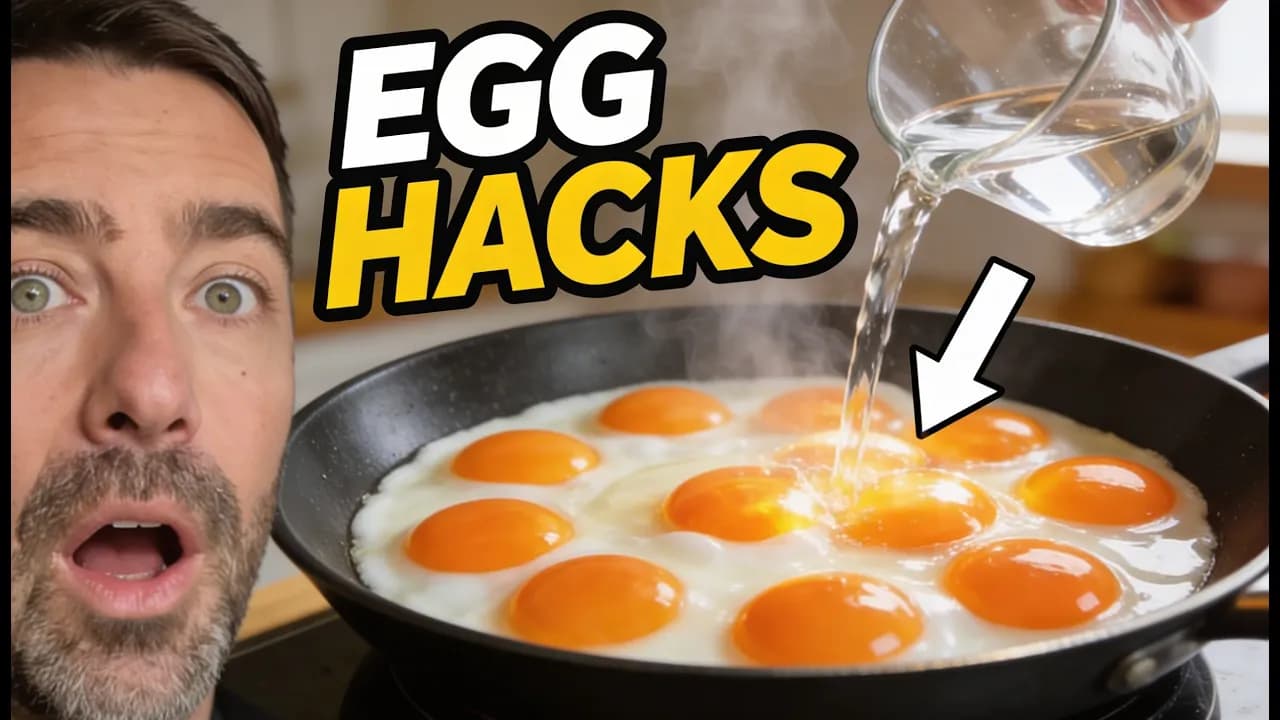
Pan heating ~3 minutes. Fat choices: beef tallow (high smoke point) or butter for eggs. Scoop tallow in, let melt. Let egg sit 1 minute to get crisp underneath—don't panic if sticking initially; it will release once crisp forms.
Sponsored by ButcherBox: new initiative supporting local USA farmers with US pasture-raised beef (USDA choice, e.g., ribeye). Cows never in feedlots, no antibiotics, no hormones. Special offer via link in description.
Nonstick, nonstick. Got a little too crispy showing it, but likes crispy and still runny. Favorite type: crispy bottom, runny top. Plenty of fat (tallow), let it set up and get crisp before moving.
Three key steps:
- Preheat pan (medium-high, 2-3 minutes).
- Use good fat (tallow preferred, butter good).
- Critical: Proper post-cooking care.
Do not put in water. Clean with paper towel and wood spatula (scrape out chunks). Eggs come out in one piece, pan stays pretty clean. Add small amount of tallow while hot (pan off but retains heat as heat sink), wipe around whole pan with same paper towel for super thin, shiny coating. Get all edges, anywhere dry.
Hot pan, good fat, patience. Preheat, clean out, season for next time with thin tallow layer. Well-seasoned cast iron ready to go, sometimes without much fat. Lasts generations if cared for this way—completely nonstick, sear and float eggs. Do you cook with cast iron? Share tips in comments.
Keep HomeSteadHow in your library
Save the videos and channels worth coming back to, and find them again in one place.